

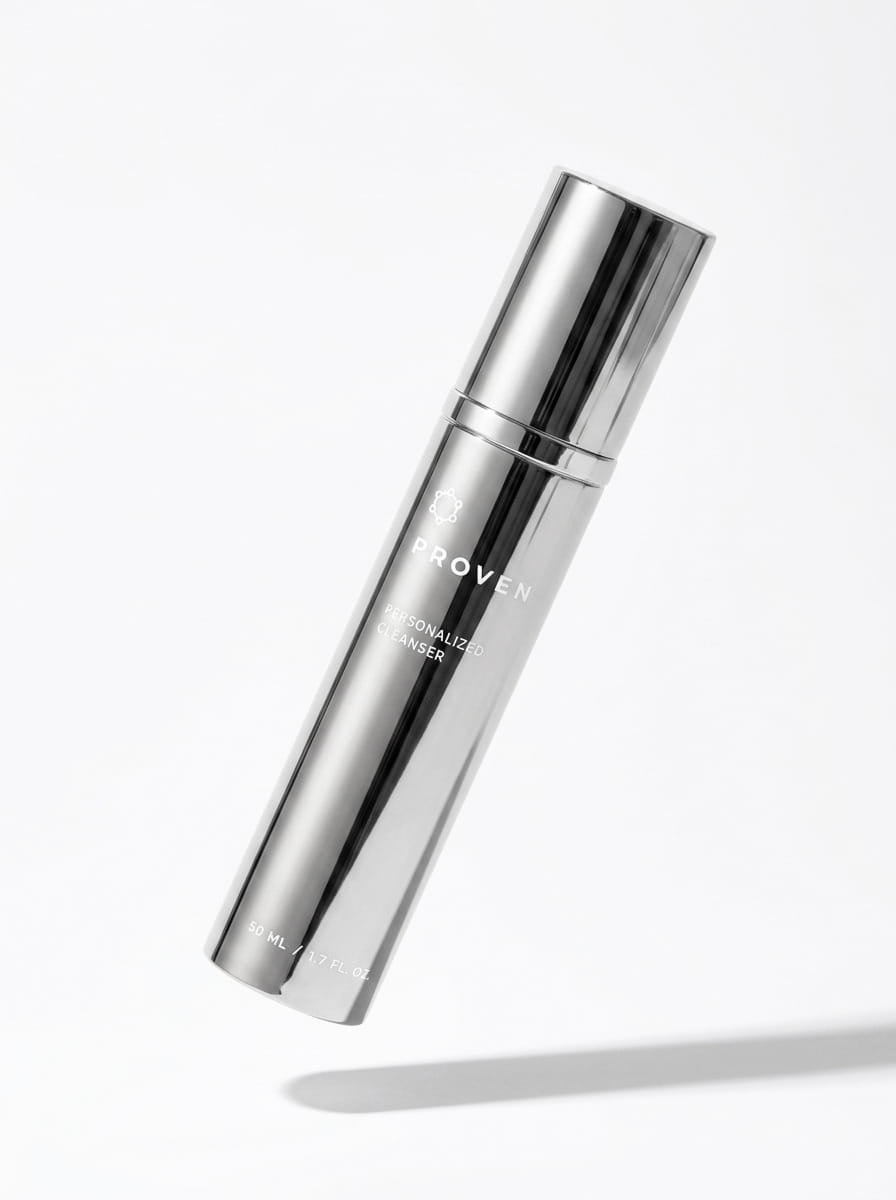
Personalized Cleanser
A gentle wash with exfoliating and toning properties — calibrated to your skin.
Take a quiz. We analyze your factors and build a formula made for you alone.
As we age, our face evolves and changes shape: prominent cheekbones replace chubby cheeks, fine lines appear around our eyes and mouth, and our skin may start to lose its natural plumpness. But at what age does your face change the most?
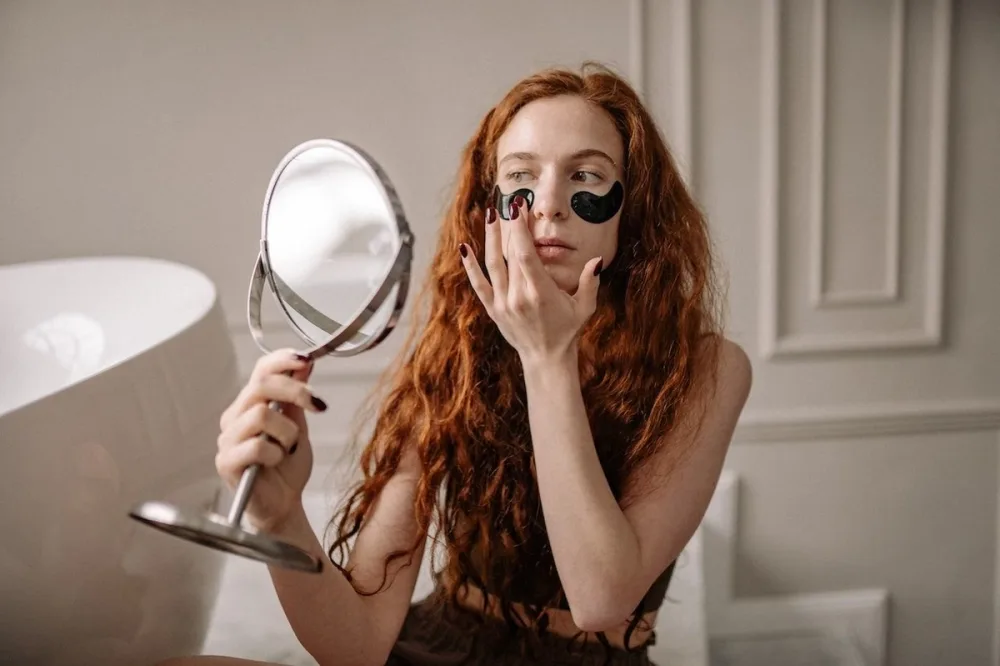
In most cases, signs of aging are normal. But if you feel like your skin is aging faster than normal, there may be other issues at play. A variety of factors can contribute to premature aging, including your diet and sunning habits. Fortunately, there are likely steps you can take to rejuvenate your skin—no doctor’s needles required.
As you grow older, your skin responds. The first places you’ll likely notice signs of sagging skin are around your face and chest, which may experience [1]:
Although many of these signs are natural parts of putting years under your belt, if your skin is showing more signs than other people your age, there may be one of several factors at play
Light Exposure
You know that wearing SPF is important. But how important, exactly? If you’re asking yourself, “why is my face aging so fast?” start by looking up to the heavens.
Sun exposure is one of the leading causes of premature aging skin, and it comes in two varieties [2]:
You could begin to see signs of photodamage as early as your teenage years [6]. Symptoms include [7]:
If you love to soak up the sun or visit tanning salons, you should have second thoughts on how fast tanning ages your skin. Invest in a daily moisturizer with SPF that offers total sun protection to minimize the effects of sun damage. Achieve your natural glow by nourishing your skin instead of putting it through severe exposure.
Alcohol
One of the best lifestyle changes you can make for your skin is cutting down your alcohol intake. (Even better if you can cut it out completely!)
While the occasional glass of wine may not severely impact your skin, chronic alcohol consumption can cause dehydration, which will damage your skin over time [8]. You may notice signs of aging like:
Smoking
If you’re smoking, your face probably shows it. Smoking is one of the leading causes of prematurely aging skin [9], as it can accelerate the appearance of [10]:
Your skin’s ability to bounce back after a cut or infection also decreases if you’re smoking. Heavy smokers will likely develop wrinkles and other age-related signs more quickly than their non-smoking counterparts.
Unfortunately, quitting smoking won’t reverse the signs of aging, but putting down the cigarettes can prevent further signs of aging [11].
Diet
Your diet can affect how your skin appears, and an unbalanced diet can affect your skin’s health [12]. Your skin is particularly likely to show signs of premature aging if you’re eating foods that are [13]:
Luckily, switching up your diet can help fight signs of premature skin aging. More specifically, you’ll want to eat foods that are high in vitamin C, vitamin E, selenium, zinc, and omega-3 [15]. It’s also recommended that you drink plenty of water to hydrate your skin [16].
Stress
Stress isn’t just making you feel older, it could be making you look older, too. When you’re stressed, your brain gets busy producing cortisol—the stress hormone [17]. Too much cortisol can block our skin from receiving enough collagen and elastin, which gives our skin its natural plumpness and glow [18].
Chronic stress may also cause [19]:
Another lifestyle factor that may be linked to high levels of stress is poor sleep. If you’re not getting a full night’s sleep every night (between seven and nine hours), your body doesn’t have enough time to rest and repair. As a result, low-quality sleep (or not enough) can cause premature aging in your cells, including skin cells [20].
Genetics
Although you might be convinced that you’ll never age because your parents or grandparents didn’t show wrinkles until their 60s, your genetics don’t play as big a factor in skin aging as you may have thought.
Intrinsic factors, like DNA and gene expression, are only responsible for about 10% of our skin’s aging [21]. The rest of how you age is up to lifestyle choices, including the level of UV protection you use.
Sun exposure, stress, and diet changes are all a part of life. Fortunately, there are a few ways to keep your skin young and support your overall skin health.
Take Care of Your Skin
Maintaining good skin health will pay off dividends down the road. Although you don’t necessarily need a complicated skincare regimen, you should remember these vital steps [22]:
Exercise
Regular exercise does more than just give you a nice physique (although that’s not a bad perk). It’s great for your skin health, too [24].
Getting yourself moving can improve your circulation and support your immune health, which, in turn, can support your skin and boost its natural glow [25].
It doesn’t matter what exercise you engage in, as long as you’re doing it. The Department of Health and Human Services recommends 150 minutes of aerobic activity a week [26].
Lower Your Stress
While you may not be able to get rid of all the stressors in your life, you can change how you respond to them. Meditation, specifically, can relax your body, reduce cortisol levels, and support your skin health [27].
You can also consider additional stress-relieving activities, such as:
Proper Nutrition
Just like your skin will show signs of an unhealthy diet, it will also reflect the benefits of a well-balanced diet [28]. Aim for a diet with:
Hitting all of your dietary marks will ensure that your skin is able to perform at its peak.
In addition, don’t forget to drink enough water between your meals. Not having enough of it can severely impact your skin’s appearance [29].
According to a study published in Nutrients, the “appearance of the skin on lips and limb is a direct reflection of the body’s moisture status [30].” As such, it’s recommended that you drink more than two liters of water per day to maintain healthy moisture in your body [31].
Premature aging can arise for a variety of reasons, whether it's your genetics or your lifestyle choices. Fortunately, you can support your skin health by regularly exercising, managing your stress, and taking care of your skin with proper nutrition and retinol and SPF-packed skincare products.
At PROVEN, our team of top-rate skin specialists, including Stanford scientists and dermatologists, are passionate about helping your skin look its best at every age. PROVEN combines scientific expertise with cutting-edge technology to deliver a skincare routine that works with your unique skin for dramatic and dewy results.
Take your Personalized Skin Quiz today and we’ll help you create a skincare routine completely customized for your skin’s current needs. Packed with powerful ingredients to address your skin’s unique needs, the PROVEN formula will help your skin maintain its natural glow, no matter your age.
Built from 47 factors of your skin profile — a cleanser, day moisturizer, and night cream calibrated to you from the 3-step Skin Genome Quiz.
A gentle wash with exfoliating and toning properties — calibrated to your skin.
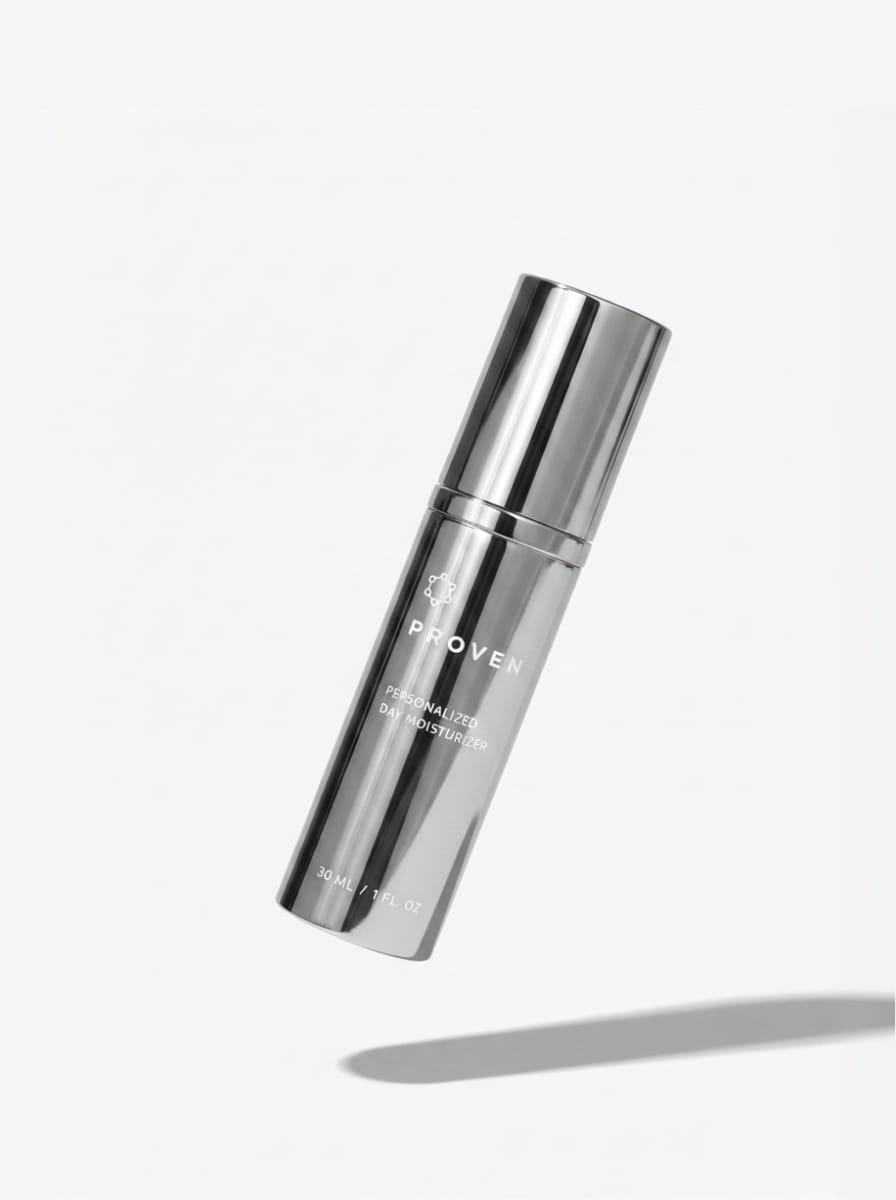
Lightweight daytime hydration — formulated for your skin.
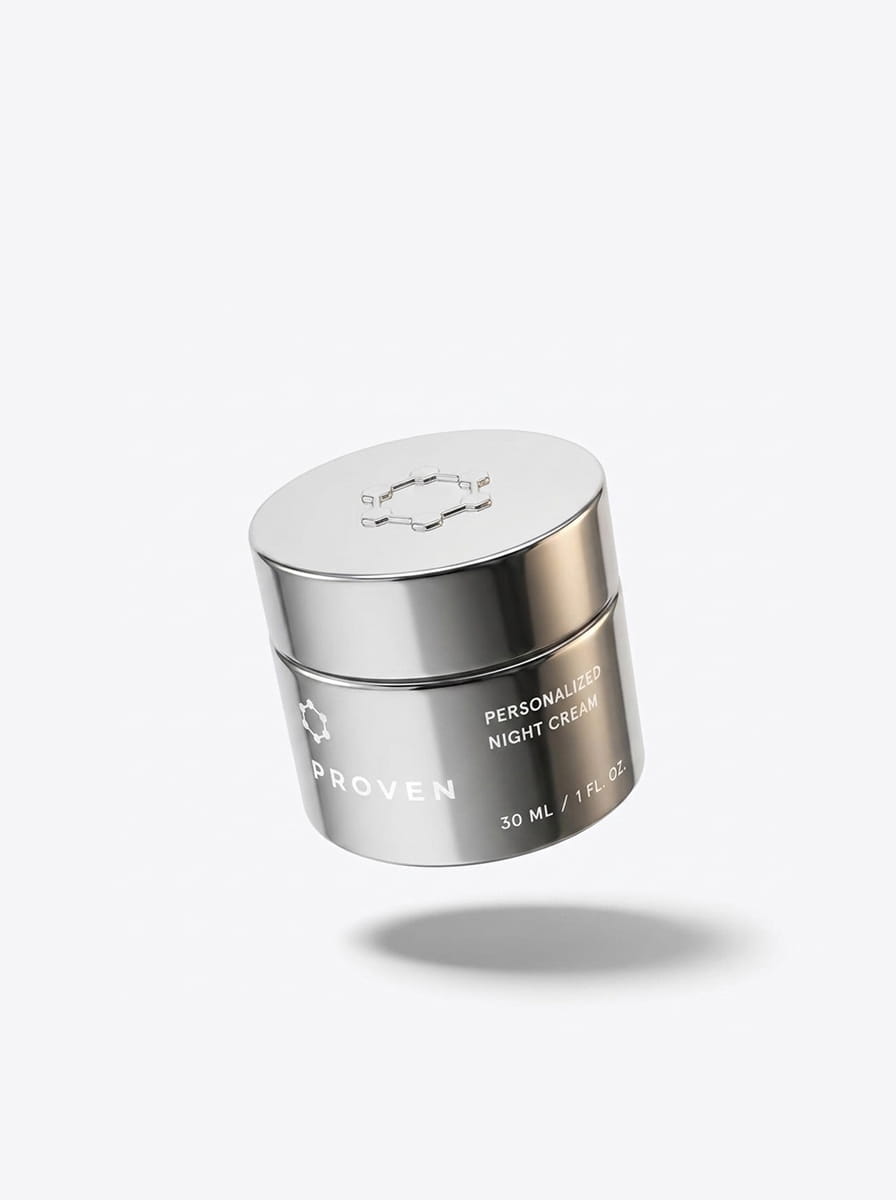
Overnight repair with the active ingredients your skin needs most.