

01 — Normal
Normal Skin
Balanced moisture and oil, even texture, rarely reactive.
Explore normal skin ›Take a quiz. We analyze your factors and build a formula made for you alone.

Six types to start. 47 factors to get it right.
Ever tried a new serum or treatment only to find it did nothing — or worse, left your skin irritated and breaking out? Chances are it wasn’t meant for your skin. Climate, lifestyle, and hormones all shape your complexion, but genetics play the largest role in your skin type — and inheriting your parent’s oily skin doesn’t mean you’re stuck with it. Clinically tested ingredients matched to your skin type are what actually deliver the results you’re after.
Identifying your skin type isn’t always cut and dry — skin can produce plenty of oil and still feel dehydrated. Start here, then follow each type to a deeper guide.
Balanced moisture and oil, even texture, rarely reactive.
Explore normal skin ›Feels tight, rough, or flaky from too little natural oil.
Explore dry skin ›Excess shine and visible pores from overactive oil glands.
Explore oily skin ›Oily through the T-zone, normal to dry on the cheeks.
Explore combination skin ›Reacts easily — redness, stinging, or irritation from products or weather.
Explore sensitive skin ›Fine lines, less firmness, and shifting needs as skin ages.
Explore mature skin ›
Your skin type is a useful starting point — but it’s where the read begins, not where it ends. The Skin Genome Quiz weighs dozens of signals to formulate for the skin you actually have.
See what your skin needs ›One of the easiest skin types to care for, normal skin has a nice balance of moisture and oil, and is usually not prone to breakouts or severe acne. Those with normal skin tend to have a uniform texture and tone, and tolerate many different skincare ingredients without irritation.
While anyone with normal skin can have occasional bouts of oiliness or dry patches, these are not persistent conditions.
Normal skin benefits from regular exfoliation, cleansing, a daily moisturizer, and sunscreen.
Dry skin often feels tight, rough, or itchy, regardless of the weather or season. It is caused by a lack of sebum production, which impairs the skin’s natural barrier function. Dry skin may look dull and flaky, and reduced elasticity makes fine lines and wrinkles more prominent.
Dry skin is often influenced by your environment — warm, dry climates, too much sun, cold and wind, or long, hot showers that strip the barrier.
Reach for a deep, effective moisturizer with nourishing ingredients like shea butter, hyaluronic acid, and ceramides. Apply daily, ideally right after a shower.
Skin that produces excess sebum is often labeled ‘oily.’ Common signs include large, clearly visible pores, a shiny sheen, and blackheads, blemishes, and pimples. It’s important to prevent oil buildup in pores with gentle chemical exfoliators that clear away debris without stripping natural oils — one advantage of oily skin is that fine lines tend to appear less prominent.
Oily skin is largely genetic, can relate to age (teens and young adults have more active oil glands), and is amplified by hot, humid environments.
Cleanse well without over-cleansing, exfoliate regularly, and choose lighter, oil-free ingredients — many benefit from targeted anti-blemish actives.
Combination skin tends to be oilier on the nose and forehead (the T-zone), where there are more sebaceous glands, and normal to drier on the cheeks, jawline, and hairline. The goal is to reach a balance that adds moisture and controls oil where each is needed.
The most common skin type, it can stem from products that are too oily or too drying, or from hormones and stress that shift how skin behaves zone to zone.
Match the product to the zone — a richer moisturizer on drier cheeks alongside a lighter one on the T-zone.
Skin that gets blotchy, turns red, stings, or becomes irritated in response to products or weather changes is sensitive. In many cases the barrier has been compromised, but there is no single cause — hormones, dry climate, and genetics all play a role. Products designed for sensitive skin help soothe redness, balance pH, and calm inflammation.
Sensitivity can be associated with conditions like eczema, psoriasis, or rosacea, or stem from allergic reactions to products, environmental factors, or certain metals.
Be deliberate about ingredients — many do better avoiding harsh alcohols, added fragrance, and known triggers. If you suspect an underlying condition, talk with your doctor.
Skin that shows the natural signs of time — fine lines, less firmness, and changes in texture — is often described as mature. As skin matures, its needs shift, and there is a lot you can do to support its resilience and glow along the way.
The primary driver is simply time. Some habits speed the visible shifts — and unprotected sun exposure is one of the largest, which makes daily SPF one of the highest-impact choices you can make.
Support hydration and the barrier. Ingredients to look for as skin matures include retinoids, peptides, hyaluronic acid, and vitamin C, which support natural renewal.

One quiz reads dozens of factors. Everyone builds their routine around the same three products — calibrated to you across 2,000+ combinations.
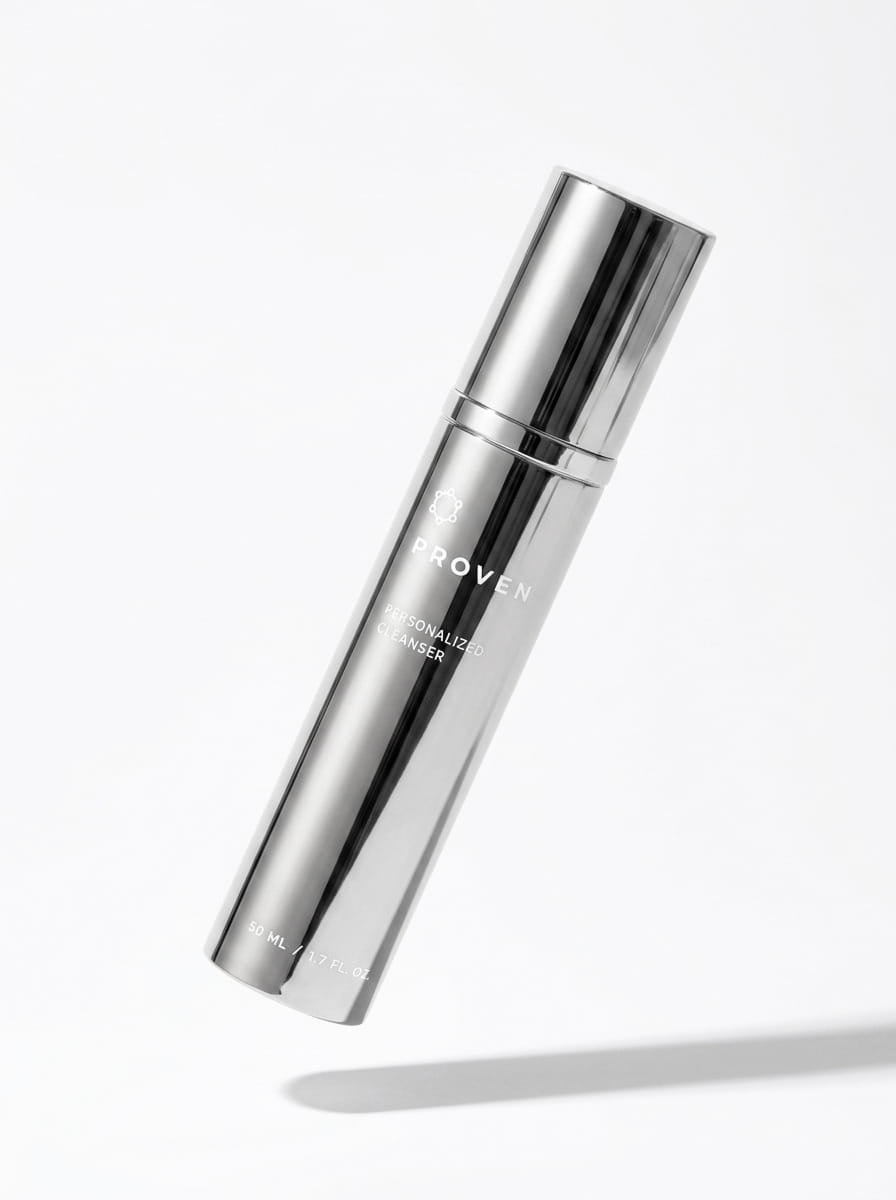
A gentle wash with exfoliating and toning properties — calibrated to your skin.
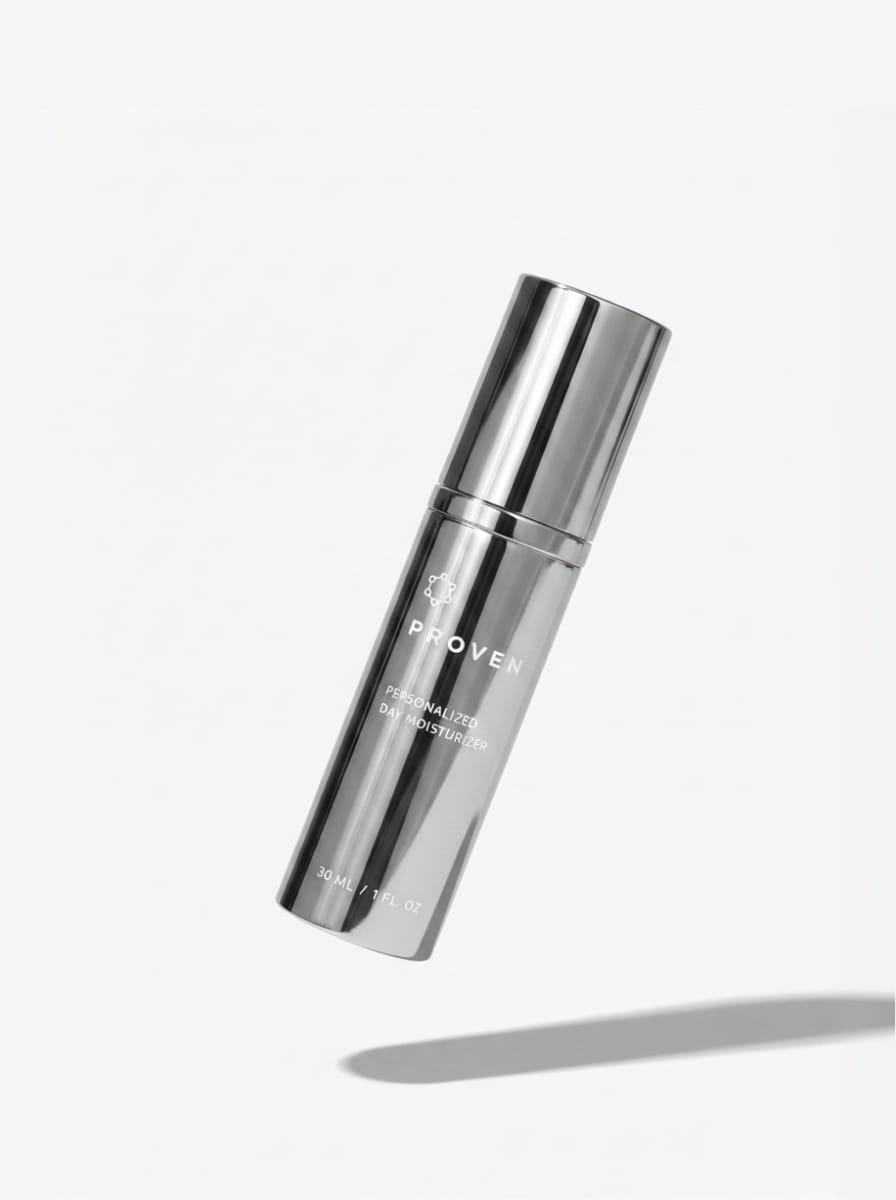
Lightweight daytime hydration — formulated for your skin.
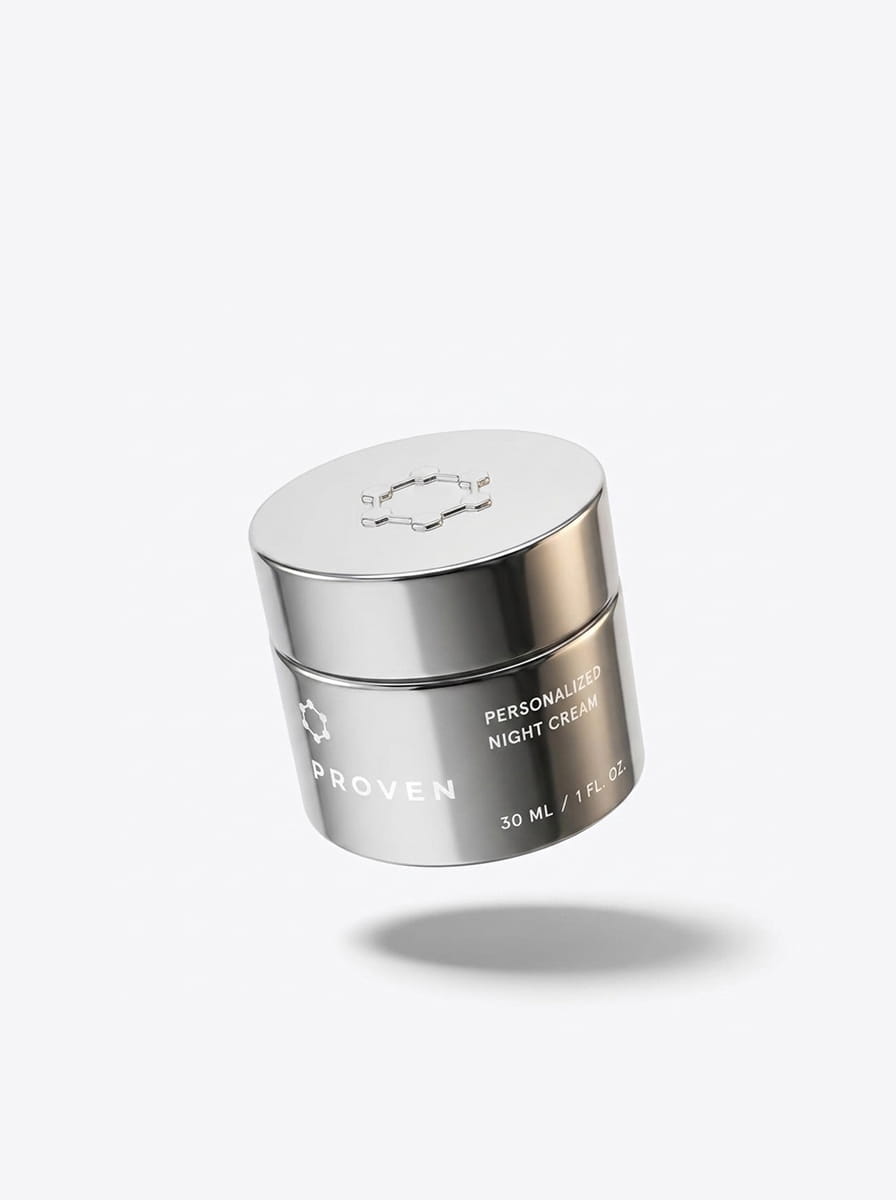
Overnight repair with the active ingredients your skin needs most.
A few quick ways to read your skin at home before the quiz settles it for good.