

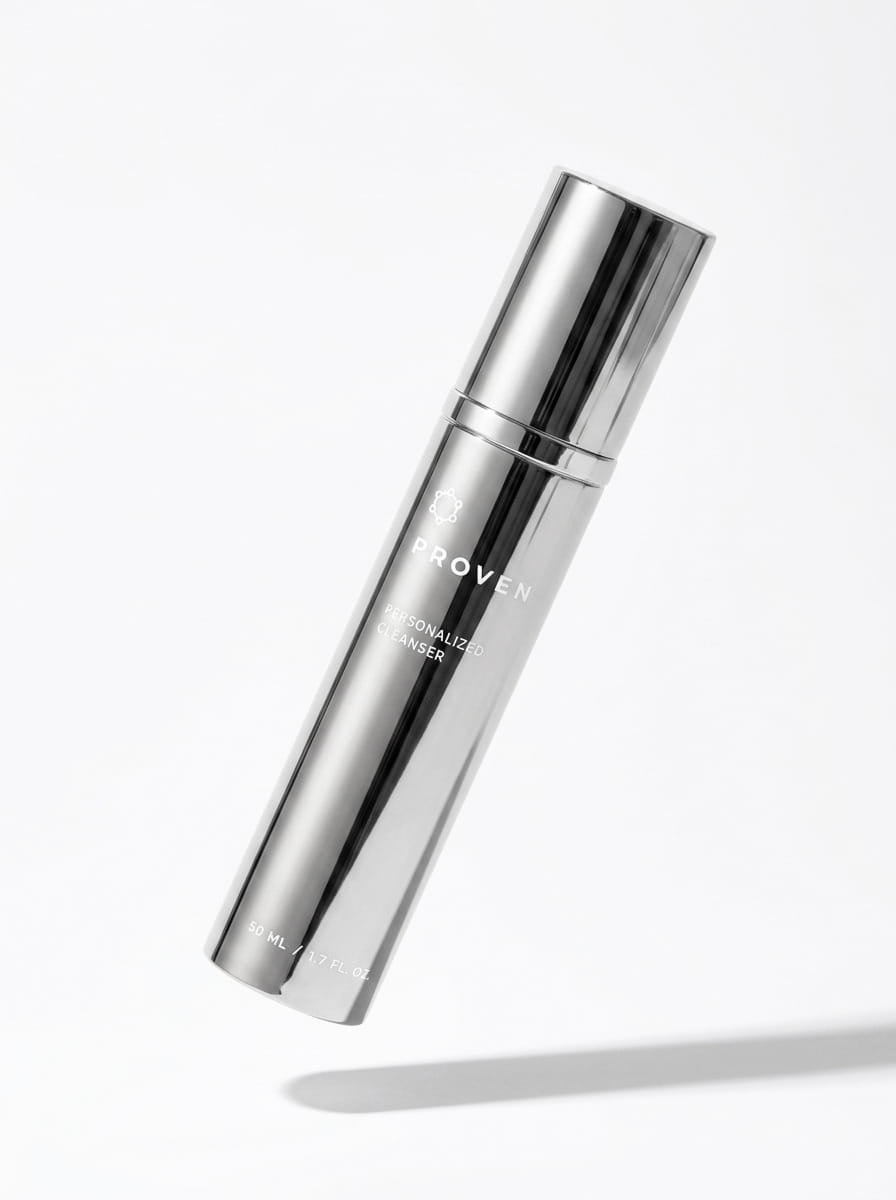
Personalized Cleanser
A gentle wash with exfoliating and toning properties — calibrated to your skin.
Take a quiz. We analyze your factors and build a formula made for you alone.
Whether you just spotted your first fine line or have been trying to combat those age spots that crept up without your permission, you might be tempted to spend a bundle on an array of anti-aging creams to turn back the clock—at least on your complexion.
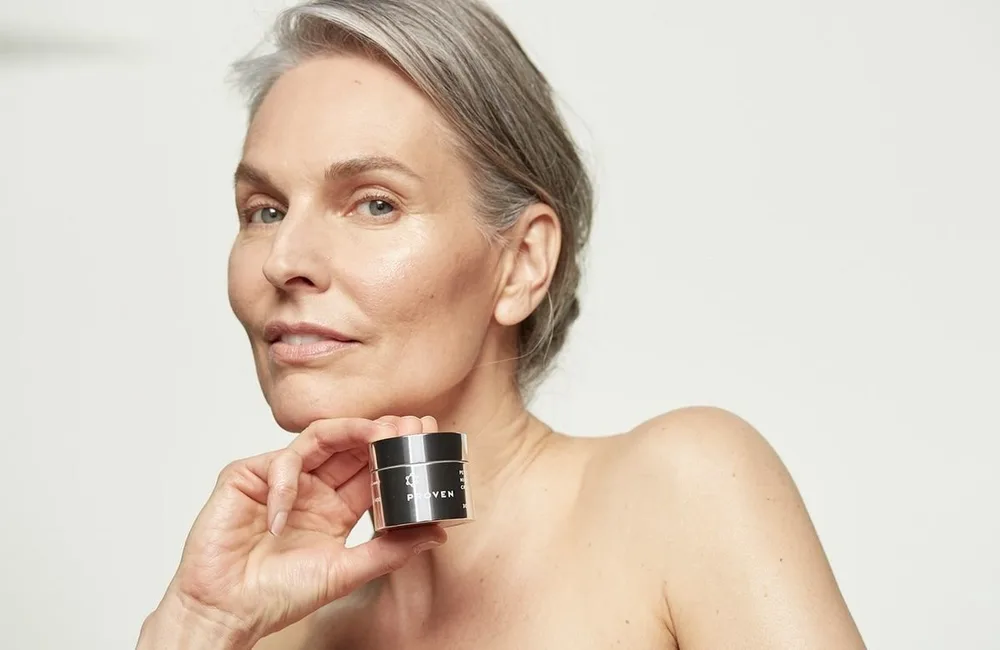
But anti-aging creams can be a significant investment. Before you go all-in with a specific anti-aging regimen, it’s important to ask—do they actually live up to their claims and produce the results they promise?
This depends on the creams in question, their ingredients, and what they promise to achieve.
Anti aging creams are crafted and/or marketed to diminish any or all of the signs of aging. Typically, anti aging creams are separated into two categories: products that treat wrinkles (and other telltale signs of the passage of time), and products that prevent them. These may include skin conditions such as:
The answer to this question is both a yes and a no.
The efficacy of an anti aging cream largely depends on if the cream is right for your skin type and the ingredients it contains. Here are a few winners that may help to keep your skin healthy through the decades:
From frown lines to crow’s feet, most of our skincare woes are due to decreasing levels of collagen—an abundant protein that gives our skin its structure and firmness.
At what age do we start aging? Our body’s collagen production naturally declines as we age, most often in our mid-20’s, while certain lifestyle habits—such as excessive alcohol consumption and smoking—can cause our existing collagen to degrade. The intricate maze of connective tissue that keeps our skin supple begins to come undone, so to speak, and wrinkles may form as a result.
This is where vitamin C may come in handy. Studies on the effectiveness of topical vitamin C may be in their infancy, but what we know so far is promising. Vitamin C may have the potential to:
If you’ve been investigating anti aging creams, you’ve probably seen alpha-hydroxy acids surface during your searches. There isn’t one alpha-hydroxy acid, but several. The most commonly used AHAs in skincare are generally:
These acids may have a therapeutic impact on photodamaged skin, or skin that has received excessive sun exposure. However, only low concentrations should be used—again, to avoid irritation.
Vitamin A derivatives—or retinoids and retinols—are frequently featured in anti aging creams for a solid reason. Retinoids and their milder, over-the-counter sibling retinol may:
When should you start using retinol? We recommend starting at the age of 25 – however, you should see a board-certified dermatologist to monitor your retinol journey in case your skin can’t tolerate it.
If you’re just starting out with these skincare superheroes, integrate them slowly into your routine and apply them at night. Subscribing with PROVEN ensures that you’re getting the right ingredients for your skin concerns. Each product is customized to build an optimal skincare set that will restore your inner glow. In turn, be sure to pair these products with a daily moisturizer with SPF during the daytime: retinoids and retinol can render your skin more sensitive to sunlight.
Peptides have gone from a trending skincare ingredient to a cornerstone in products and routines. These naturally-occurring amino acids can help to curb the signs of aging by stimulating collagen synthesis. As a result, you may experience:
Anti aging creams that include the ingredients above might give you that healthy, glowing appearance you’re craving. A few others to keep an eye out for include:
All of this isn’t to say that products with these ingredients will restore your skin in the exact way you desire. Each of us has different skin needs, and what worked wonderfully for your BFF might not do anything for your skin except provoke irritation. This underscores the importance of knowing your skin type before making a purchase—and taking a few other matters into consideration.
PROVEN takes out the guesswork when it comes to the importance of knowing your skin type. With PROVEN’s Skin Genome Quiz™ , you can find out what products and ingredients will work best with you.
The ingredients and anti aging cream features are one of the biggest deciding factors between this cream is doing a brilliant job and there goes $100 down the proverbial drain.
But you should also weigh—and practice—the following:
Above all? Practice the tenets of a healthy lifestyle to halt the signs of aging. This includes hydrating often, following a nutritious diet, dodging smoking, cutting down on your alcohol intake, exercising frequently, prioritizing sleep, and shielding your skin with SPF.
Just because a product asserts (if not shouts) that it has anti aging effects doesn’t mean they will. In fact, the more outlandish the claims, the more wary you should be.
PROVEN Skincare is the antithesis of a company that makes bogus declarations. The ingredients in our products take center stage, but which ones we include in your personalized package are determined by a host of factors. Where you live, your skin type, your age, how your skin feels after a shower—all have a hand in the tailor-made system we formulate especially for you.
Custom Solutions For Each Skin: Take our Skin Quiz today for personalized skincare products that meet your skin needs.
Built from 47 factors of your skin profile — a cleanser, day moisturizer, and night cream calibrated to you from the 3-step Skin Genome Quiz.
A gentle wash with exfoliating and toning properties — calibrated to your skin.
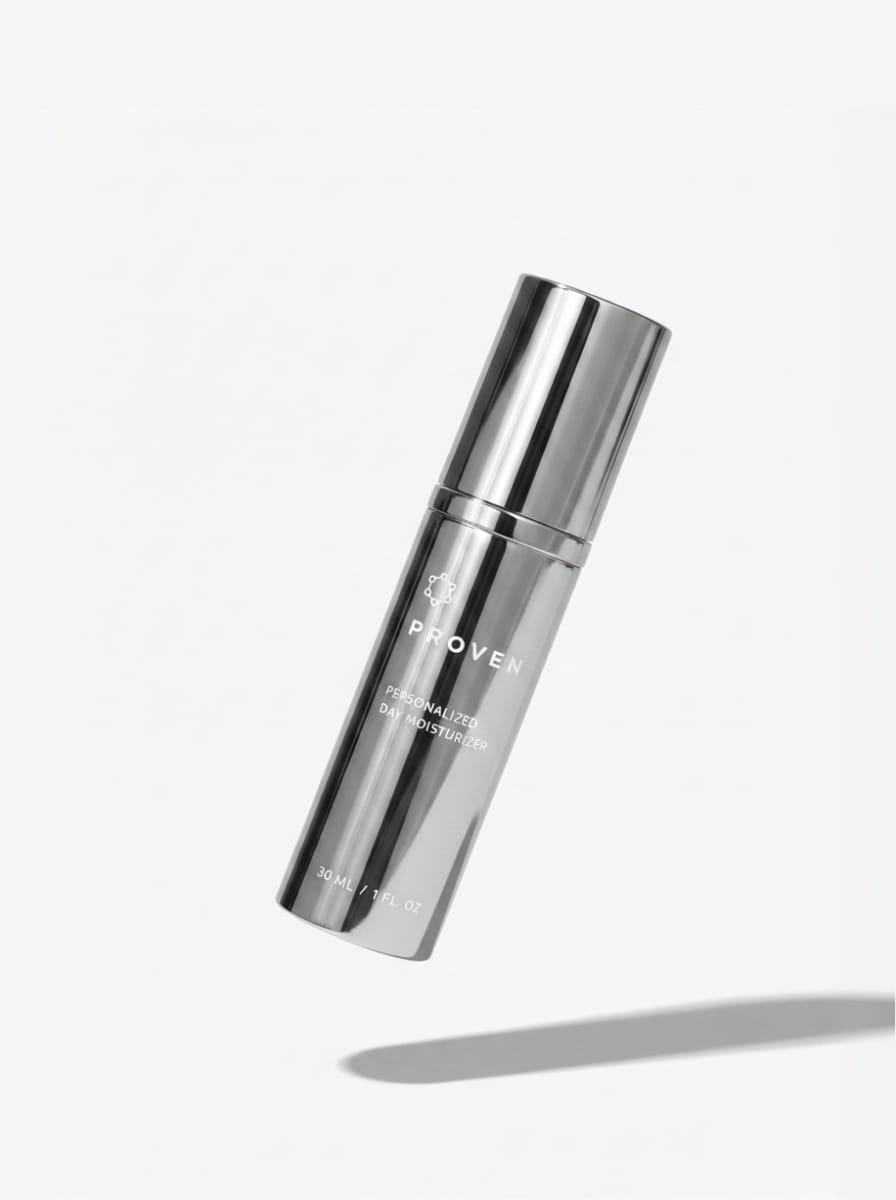
Lightweight daytime hydration — formulated for your skin.
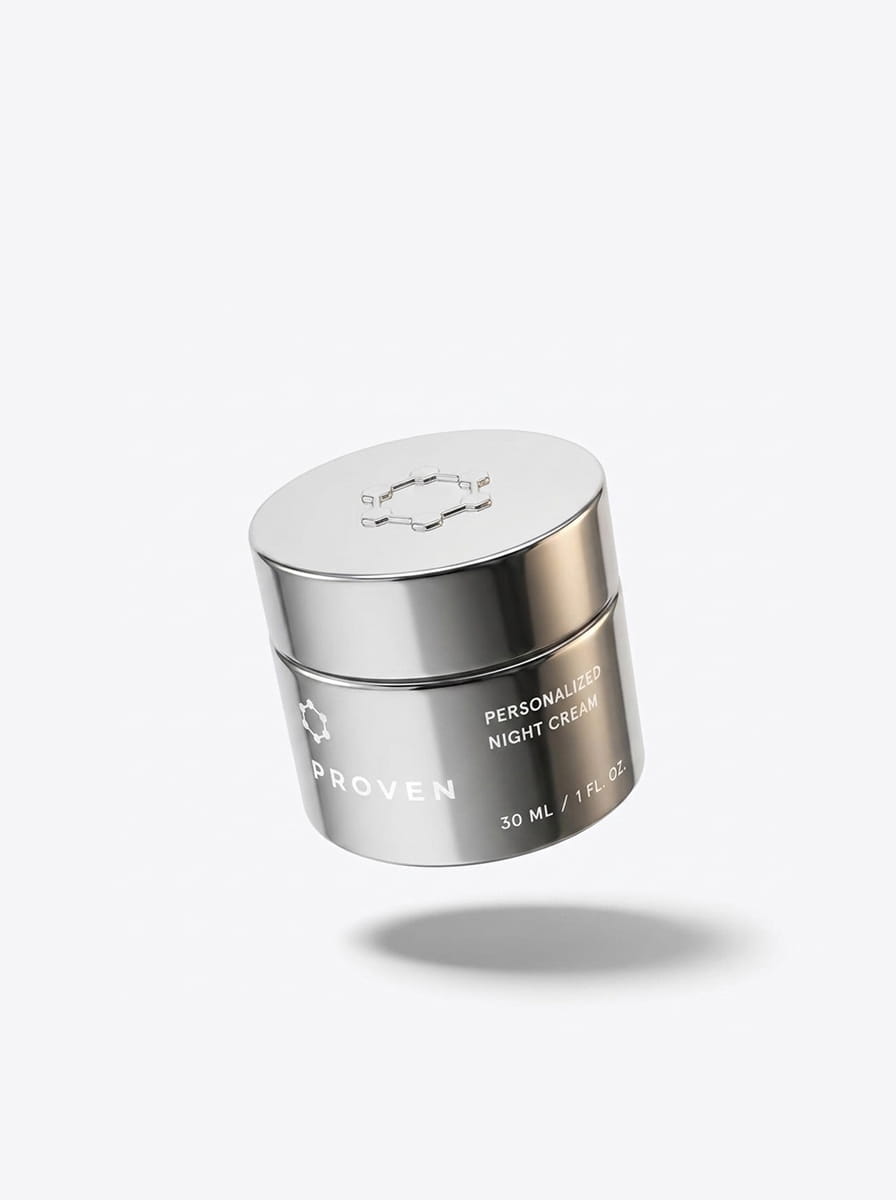
Overnight repair with the active ingredients your skin needs most.