

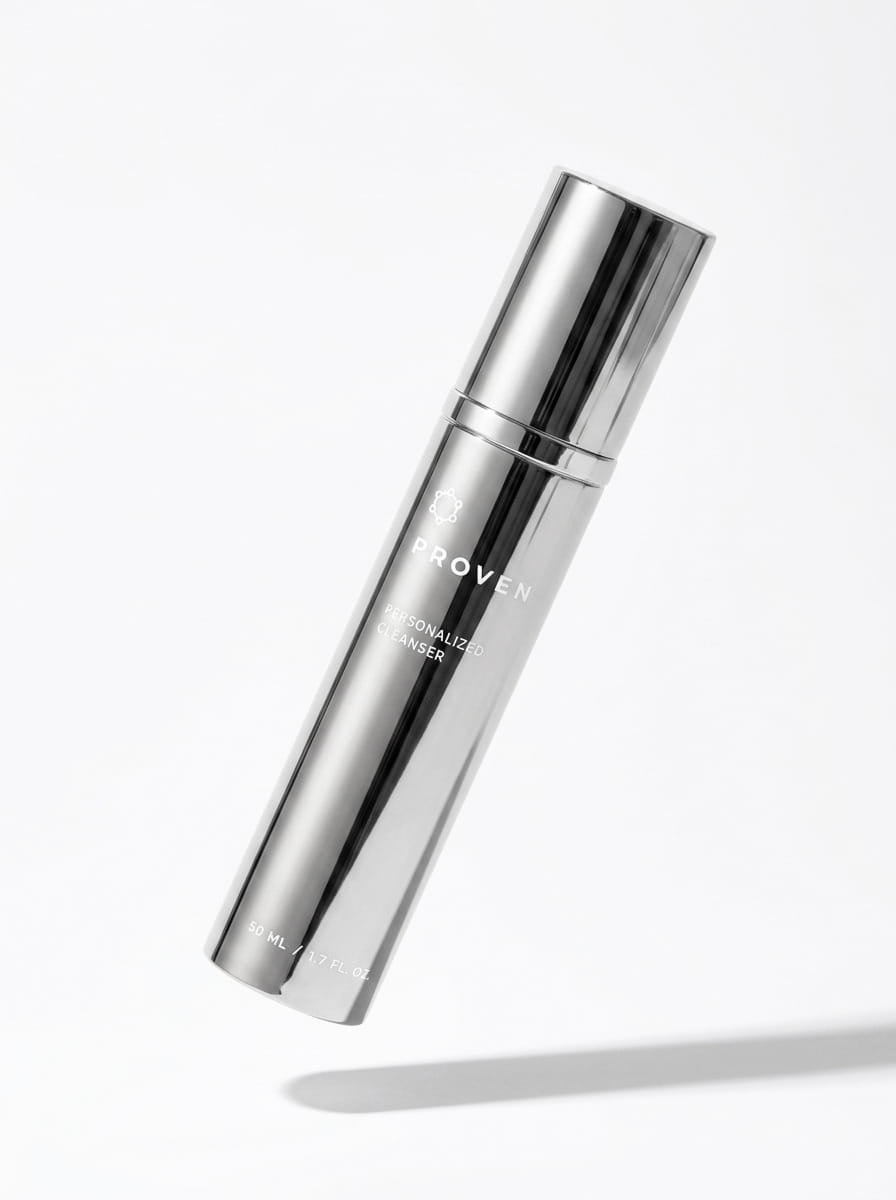
Personalized Cleanser
A gentle wash with exfoliating and toning properties — calibrated to your skin.
Take a quiz. We analyze your factors and build a formula made for you alone.
Looking for natural hydration? We list the top 6 natural moisturizing ingredients that deeply nourish and soothe your skin for a healthy, soft feel.
Best Natural Moisturizing Ingredients
With so many moisturizers on the market, we don’t blame you if you’re not sure where to begin when it comes to finding natural ingredients that actually work. So we did some of the heavy lifting for you—we checked out the scientific studies, perused those teensy-tiny ingredient lists on the back of the packaging, and read tons of “best-of” product lists that beauty editors swear by. Certain ingredients kept popping up over and over, both trending and tried-and-true. (Remember: the word “natural” isn’t regulated by the skincare industry, but because these ingredients actually are naturally occurring, we think you’re pretty safe using any of the below). Read on for six of our favorite natural moisturizing ingredients.
Squalane oil
This is a hydrogenated version of squalene, a compound produced naturally by your sebaceous glands. The hydrogenation process makes squalane more shelf-stable than squalene, so it’s easier to use in skin-care products. One natural source is shark liver, but since that’s not something most people want to slather on their faces, it’s now sourced from olives, sugarcane, wheat germ, rice bran, or palm trees. Because this oil is naturally produced by your body, it’s easily absorbed by all skin types. It acts as an antioxidant and emollient, naturally replenishing and locking in moisture.
Aloe vera
This plant has an illustrious history—Cleopatra was using it in her beauty routine 6,000 years ago in ancient Egypt. Aloe vera leaves contain a clear gel that’s made up of 99 percent water and roughly 75 potentially active ingredients. Because of its high water content, and because aloe vera gel also helps your top layer of skin cells stick together, it’s very effective at delivering a huge dose of hydration to your skin. It’s widely used in moisturizers because it’s very light in texture, making it good for all skin types. This multi-tasking gel has also been shown to have anti-inflammatory and anti-bacterial properties.
Grapeseed oil
Grapeseed oil is harvested from the pressed seeds of grapes. Known for it's anti-microbial and anti-inflammatory properties, it also contains high amounts of omega fatty acids and vitamin E—which make it a natural addition to skincare products.
One of those fatty acids is linoleic acid, an essential building block for ceramides, (lipids that help your skin retain moisture), and an effective moisturizer even for acne-prone and sensitive skin. While many oils tend to leave behind a residue, grapeseed oil instantly dries upon application, making it a great base under makeup.
Chia seed oil
You may already be adding chia seeds to your morning smoothie, but their oils make an equally good addition to your skincare routine. Chia seed oil contains omega-3 fatty acids, which calm and hydrate your skin, and two potent sources of antioxidants: phenolic acid and isoflavones, which visibly reduce signs of aging and stress. Chia oil also contains proteins that can help bind moisture to skin, but it absorbs so completely that your skin doesn’t feel heavy or “coated” by anything. Suitable for all skin types, even acne-prone.
Jojoba Oil
Rich in skin-maximizing vitamins A, E and D, plus antioxidants and fatty acids, jojoba "oil" is actually a wax ester with similar properties to our skin's own sebum. This means, like all other ingredients on this list, jojoba oil can penetrate deeply for maximum nourishment. It’s also naturally antibacterial, antifungal, antiviral, hypoallergenic, and anti-inflammatory, and can be used on any and every skin type. It can even be used alone as a makeup remover, to soothe chapped lips, even to smooth frizzy ends of hair. Now that’s a beauty multi-tasker.
Rosehip Seed Oil
Many kinds of rose oils and extracts seem to be having a skincare moment, and with good reason—check out our detailed guide here. The best for overall moisturizing seems to be rosehip oil. (“Rosehips” are the little berries produced by pollinated roses). Like grapeseed oil, rosehip seed oil is high in linoleic acid, making it an effective moisturizer that’s easily absorbed by all skin types. Research shows that after eight weeks of use, rosehip oil significantly improved wrinkles, moisture level, and elasticity in users’ skin—likely due to its high Vitamin A content. It can also help fade scars. Look for “cold-pressed” varieties, as these retain more nutrients.
Get a formula with the exact moisturizing ingredients your skin needs. Take your Personalized Skin Care Quiz today.
Built from 47 factors of your skin profile — a cleanser, day moisturizer, and night cream calibrated to you from the 3-step Skin Genome Quiz.
A gentle wash with exfoliating and toning properties — calibrated to your skin.
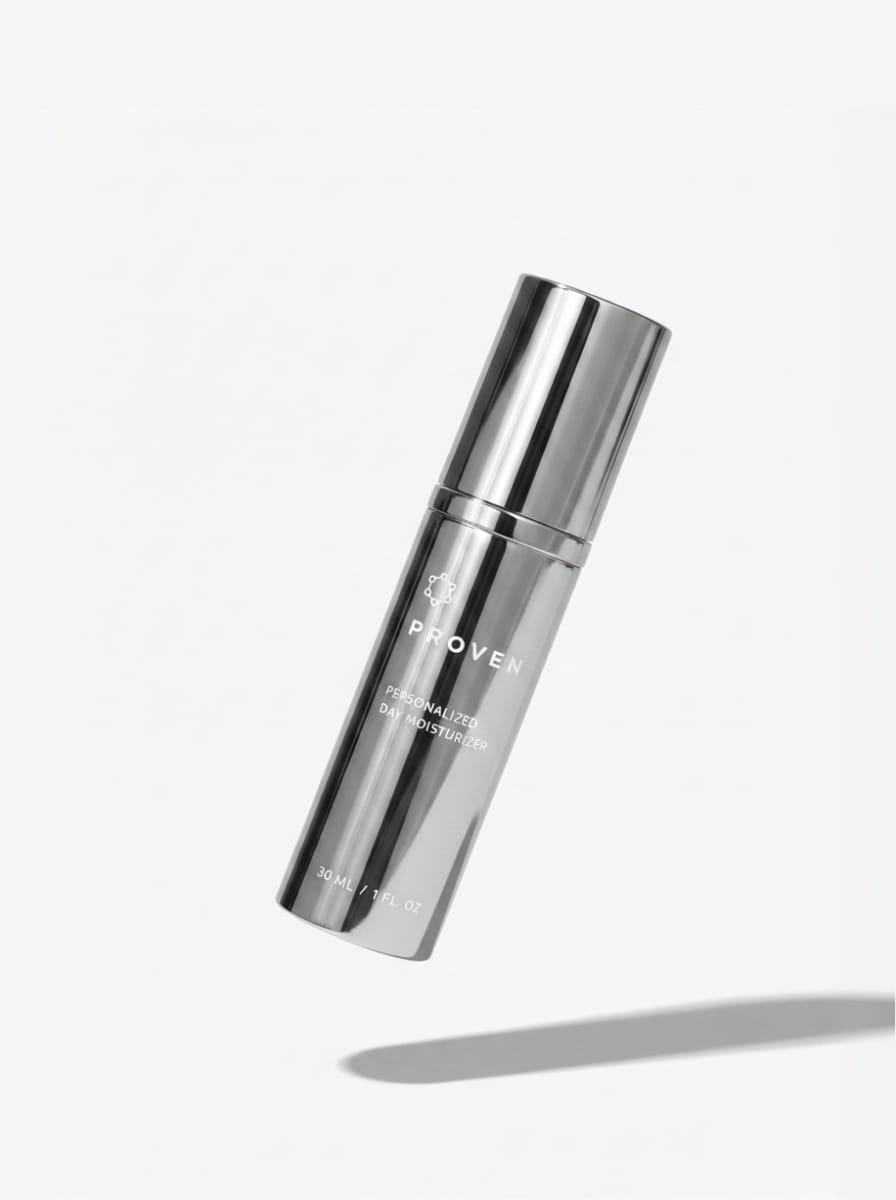
Lightweight daytime hydration — formulated for your skin.
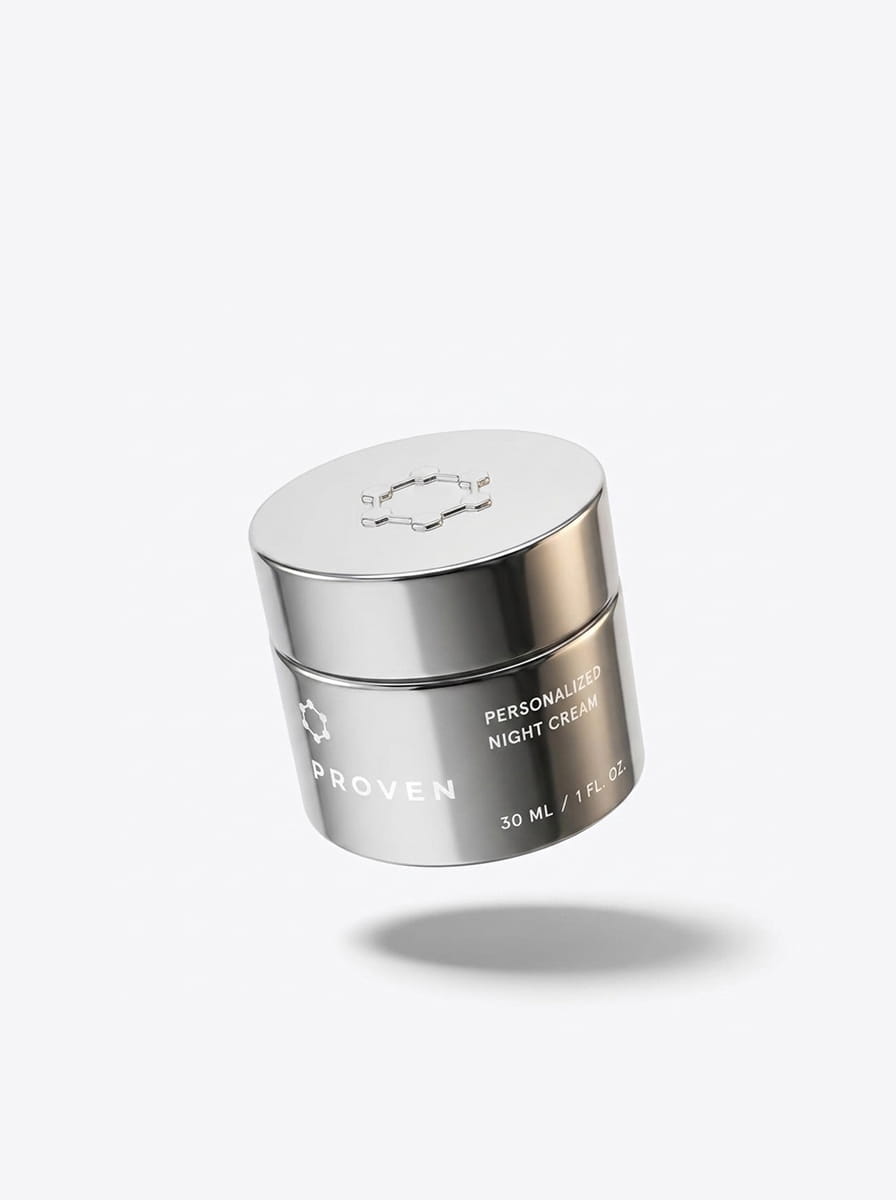
Overnight repair with the active ingredients your skin needs most.