

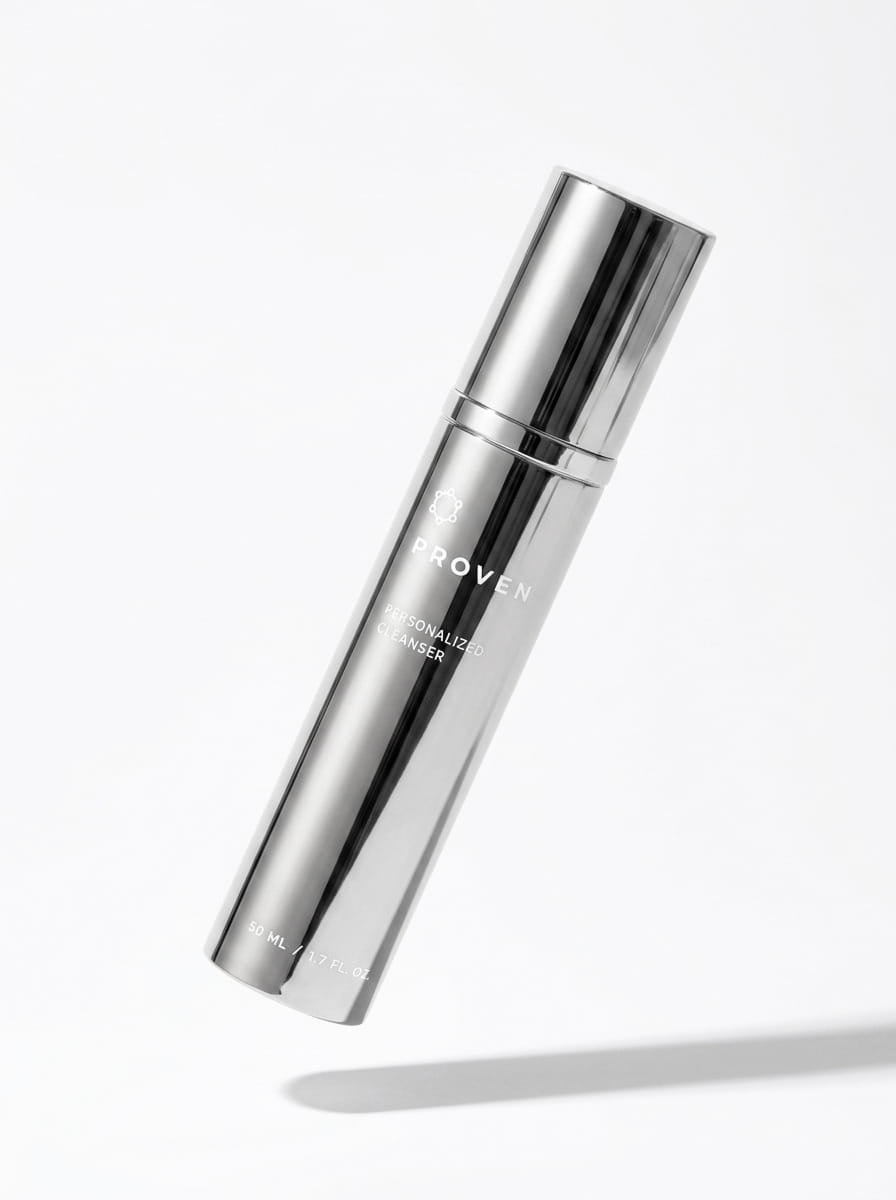
Personalized Cleanser
A gentle wash with exfoliating and toning properties — calibrated to your skin.
Take a quiz. We analyze your factors and build a formula made for you alone.
We tend to choose more healthy options in our food choices, opting for organic vegetables and clean eating. Why aren’t we this focused when choosing skincare?

How do you choose?
Skincare with all-natural ingredients? Skincare with manufactured ingredients? What ingredients are best for your skin type? Will some ingredients irritate your skin? It all can seem overwhelming.
Start by Determining Your Skin Type
Start by determining your skin type and what natural ingredients would be most beneficial for that type. If skin feels tight and is or looks flaky, it’s dry. Dry skin can be sensitive to harsh chemicals (acids, peels) so hydrating ingredients will be most effective. Shea Butter, which has a butter-like texture, is rich in vitamins and recommended for dry or dehydrated skin. Colloidal oatmeal has moisturizing properties as well as cleansing and soothing benefits.
Those with combination skin usually have an oily t-zone (forehead and nose) and drier cheeks. Products with natural sea salts or sugars will help exfoliate and remove excess sebum. Acne-prone or irritated skin can find products containing raw honey to be hydrating and soothing. Aloe Vera, a popular gel used to soothe sunburn, is also used in skin care for its moisturizing benefits and inflammation-reducing capabilities. Muds and activated charcoal will also absorb excess oils and soothe skin.
Oils in skincare products can concern some, but don’t be fooled by the name. Oils will not make your skin appear oily. Multi-beneficial Coconut Oil is great for all skin types as it can be used to cleanse, tone and moisturize even the most sensitive skin. Jojoba, Marula and Vitamin E oils help add protective barriers to lock in moisture, delivering hydrating, nourishing and targeted treatment benefits to skin.
Determine Your Skin Concerns
So, you have identified your skin type and what natural ingredients would be most beneficial when choosing skincare, however, each of us has different concerns as well. Someone with oily skin may have sensitivity and acne flareups, while another person with oily skin may experience irritation when using a more conventional, fragrance-based product. No matter what the “traditional” skin type, each of us has a particular set of concerns different from any other. Our skin is as individual as our fingerprints. Based on your type and needs, do you choose a more organic, natural skincare or a more conventional skincare line?
When choosing organic vegetables or meats, it is usually because they are created with much lower exposure to chemicals and toxins. The same is true when choosing skincare products. Natural ingredients, harvested from sustainable farms that practice fair trade (helping to protect and replenish our planet) are used when formulating more organic products. Choosing more natural options will limit your skin’s exposure to toxins and irritants that can clog pores and cause allergic reactions and more sensitivity in skin.
Ingredients to Avoid
Ingredients to avoid: parabens, triclosan, phthalates, sulfates, synthetic colors, and synthetic fragrances can contribute to skin irritation, sensitivity, allergic reactions and more. Foaming agents (identified as SLS) tend to overproduce foam and bubbles, especially in cleansers. These can actually dehydrate skin. Look for skin care lines that carry certified organic, cruelty-free or eco-certified labels.
Underlying Factors
Skin type, skin concerns, beneficial natural ingredients, ingredients to avoid….what about underlying factors?
Stress levels, diet, travel, sleep schedule, environment, pollution levels, hormone levels, life stages are all factors to consider when assessing the overall condition of your skin and what would be best for it. Spices, spicy foods, and red wine can cause flushing in skin. Menopause in women can cause skin changes like hyperpigmentation, rosacea, and dehydration. The list is long.
There are many existing organic and more natural skincare brands to choose from, yet the best option for optimal benefits for your specific skin type, concerns and issues is personalized skincare. It should contain both natural and synthetic ingredients as purely natural skincare can be irritating with continued use. And, in addition, we no longer fit into pre-determined types. All dry or oily skins are not the same. We have different genetic makeup, lifestyles, stress levels, and a personalized skincare regimen that will address these unique needs and issues.
Built from 47 factors of your skin profile — a cleanser, day moisturizer, and night cream calibrated to you from the 3-step Skin Genome Quiz.
A gentle wash with exfoliating and toning properties — calibrated to your skin.
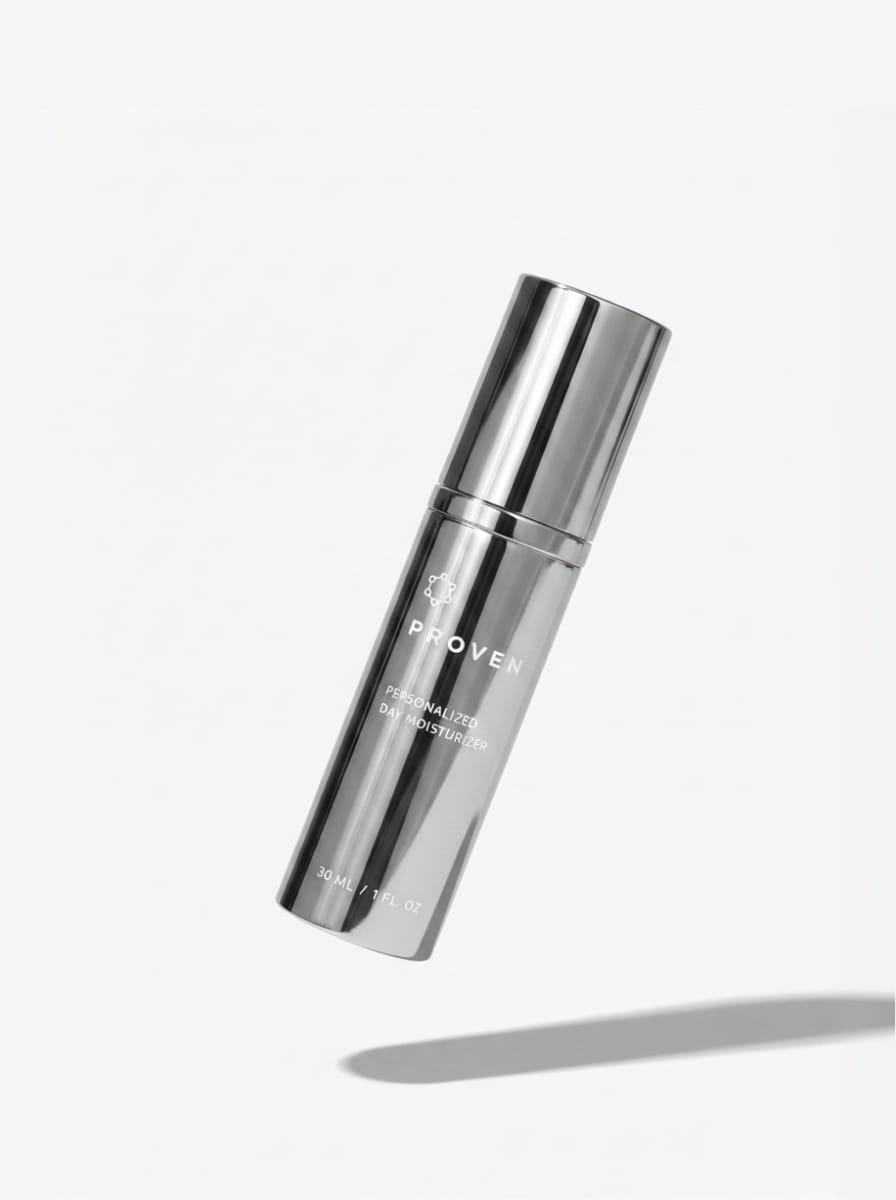
Lightweight daytime hydration — formulated for your skin.
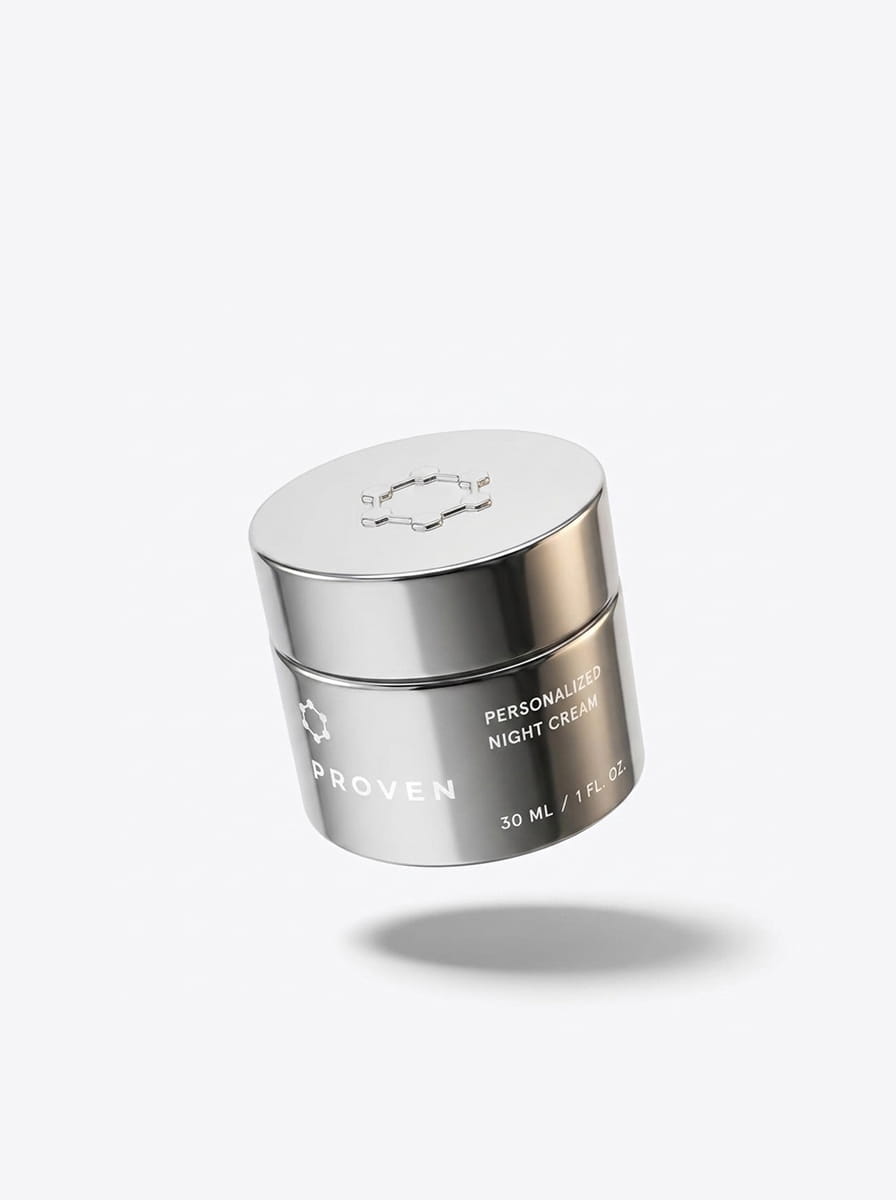
Overnight repair with the active ingredients your skin needs most.