

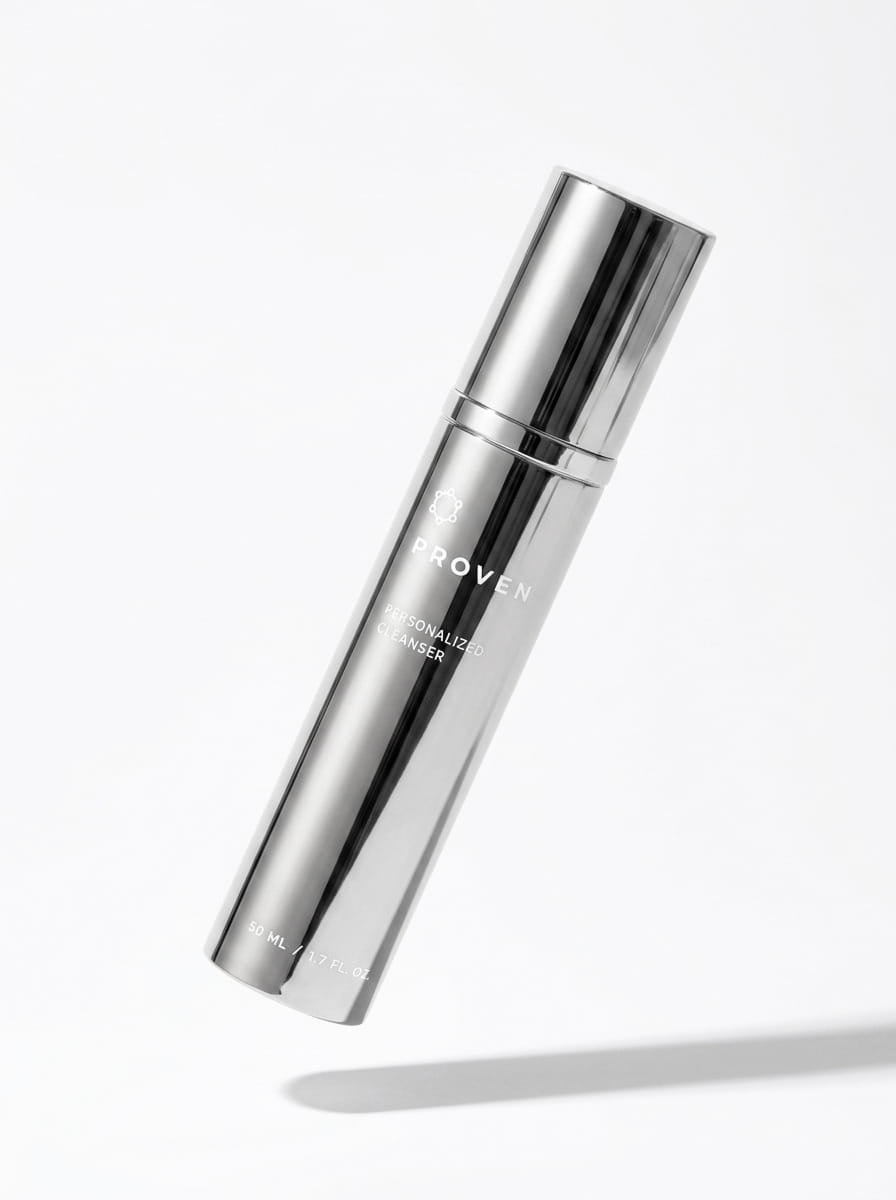
Personalized Cleanser
A gentle wash with exfoliating and toning properties — calibrated to your skin.
Take a quiz. We analyze your factors and build a formula made for you alone.
Congratulations! Your pimple is gone. The only problem is that you now have a scar where the acne used to be.

The technical term for the dark mark left behind an acne lesion once it heals is Post Inflammatory Hyperpigmentation, or PIH. It usually starts off with a red cast and turns dark brown or purple over time. It is most common in dark skin types, and can last longer than 5 years if it’s not treated correctly. Acne scarring is more common when the acne lesion is picked at or “popped”, which triggers an inflammatory cascade that causes more melanin to rise to the surface of your skin. Melanin is the pigment in the skin responsible for dark marks.
Most acne scars are flat and dark, while others can have a “pitted” appearance, creating an uneven texture. The uneven surface makes them difficult to conceal with regular makeup, making it even more crucial to prevent acne before it starts, and to heal acne scars early on when pimples are first starting to vanish. Other hypertrophic scars, which are more raised and more noticeable, can develop as well. Scarring causes discoloration and will affect skin tone and skin health. Though many may turn to home remedies, this would not be a recommended course of action.
It’s important to intervene early on during the healing period, when the pimple is just starting to flatten and heal. Use Hydrocortisone, or other anti-inflammatories, to reduce inflammation and speed up the healing process. Using Hydrocortisone, or other treatment options, like Vitamin E that has anti-inflammatory properties, can help acne scars from forming through early intervention. Avoid using AHAs or BHAs like glycolic acid or salicylic acid when the pimple is healing. This will only damage the skin more and increase inflammation, leading to darker pigment formation.
Once the skin is completely healed and no longer red, the best ingredient to use is Vitamin C. This potent antioxidant blocks melanogenesis (skin darkening), so it will help to diminish the look of dark spots. It also stimulates collagen synthesis, which is exactly what you need to help even out the look of pitted acne scars. For faster results, pair it with Mandelic Acid! Using Mandelic Acid for pitted scars will hasten the renewal process and help to bring fresh, radiant cells to the surface of your skin.
Another great treatment for acne scars is Azelaic Acid, which is such a gentle yet effective exfoliator that it’s even recommended for Rosacea. For severe acne scars that form keloids (raised scarring), which is more common in dark skin types, the best treatment is a combination of Retinoids and Hydroquinone.
The most important way to take care of acne scars is to wear a broad spectrum sunscreen with an SPF, of at least 90, every day and reapply often. Acne scars are extremely sensitive to sunlight, and UV exposure will only make the scar darker. You’ve invested a lot of time in effort in healing and fading your scars, so it’s important to take the final safety measure of protecting your skin from the sun.
A morning and evening skincare routine is key to keeping acne, pimples and random blemishes and breakouts from appearing or reappearing. Find a personalized skincare regimen best suited to your skin. Start each morning and end each day with a gentle cleanser. Excess oil, dirt and sebum sit on skin and can clog pores causing acne breakouts. Cleansing is key.
Follow with a SPF-based moisturizing lotion for daytime use and a richer moisturizer for night use, as skin does replenish itself while you sleep. Exfoliating with a gentle exfoliator (no scrubbing microbeads) can be used once a week to remove dead skin cells which can leave skin looking dull. Cleansing and exfoliation will help deliver a brightening effect on skin.
As acne scarring can linger on skin, a yearly exam with your dermatologist can help. Dermatologists can help with wound healing, examining scarring to see if laser treatments or chemical peels could help with the skin healing process. Your doctor can also recommend courses of treatment if your acne, acne scarring and even the resulting scar tissue is more severe.
Of course, as we've always been told, keep your hands off your face, don't "pick" or "squeeze" blemishes or pimples. Don't rest your face on your hands and keep your phone off your face (use ear pods!) Prevention is worth a pound of cure and scarring won't be such a major issue early on.
Built from 47 factors of your skin profile — a cleanser, day moisturizer, and night cream calibrated to you from the 3-step Skin Genome Quiz.
A gentle wash with exfoliating and toning properties — calibrated to your skin.
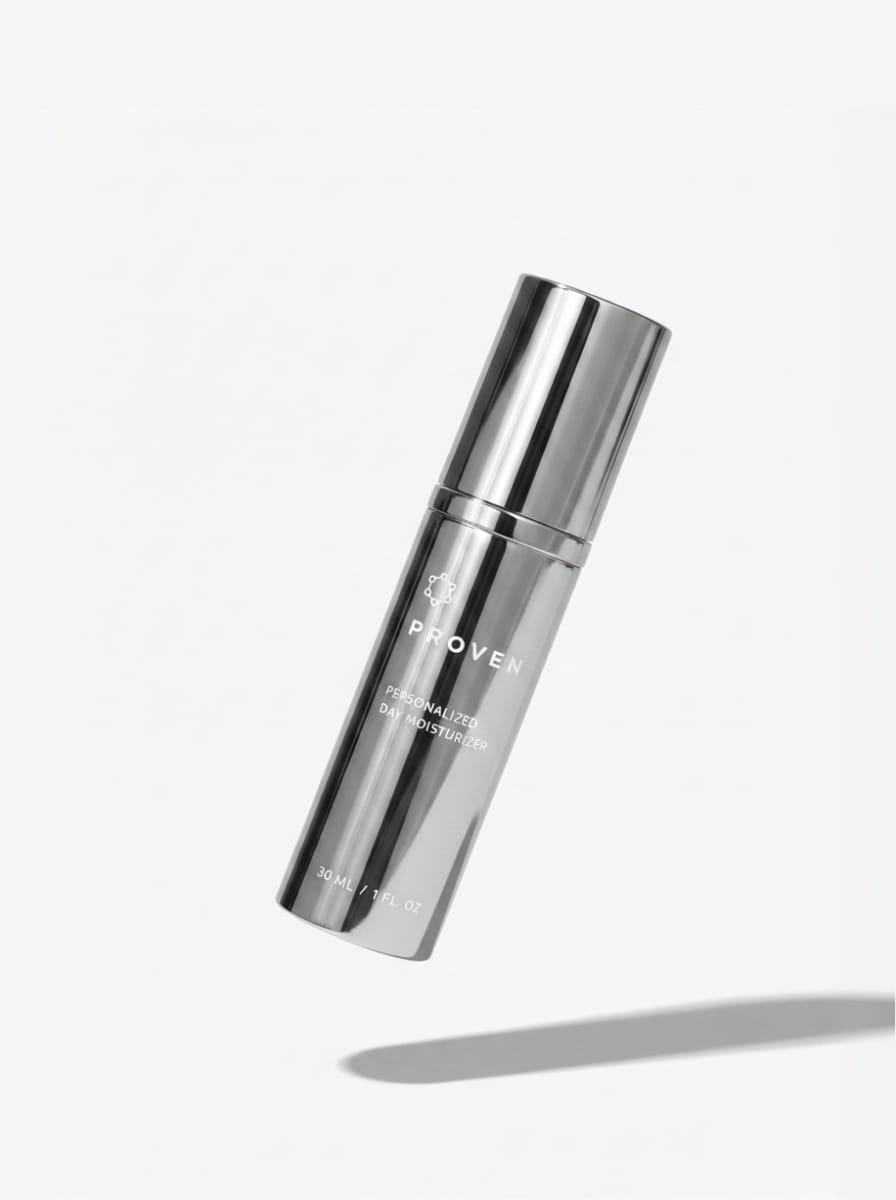
Lightweight daytime hydration — formulated for your skin.
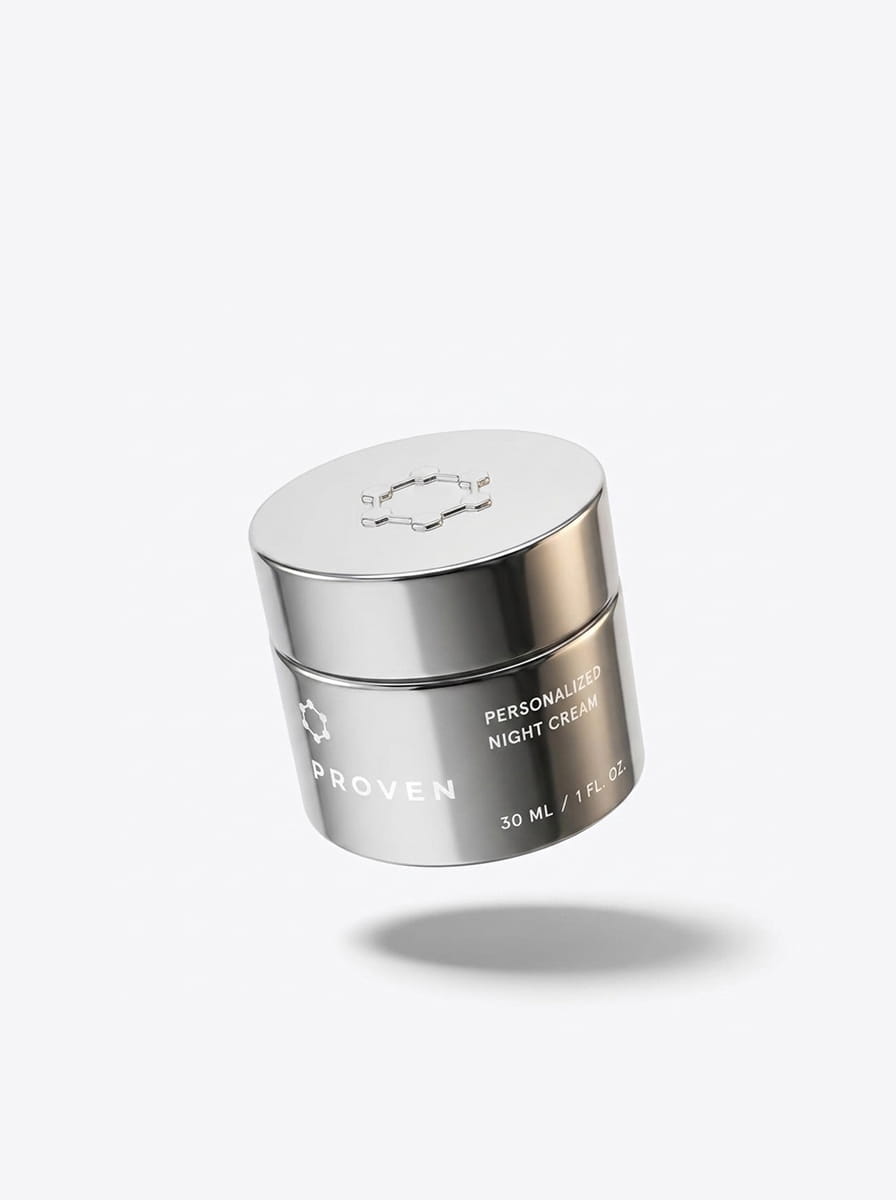
Overnight repair with the active ingredients your skin needs most.