

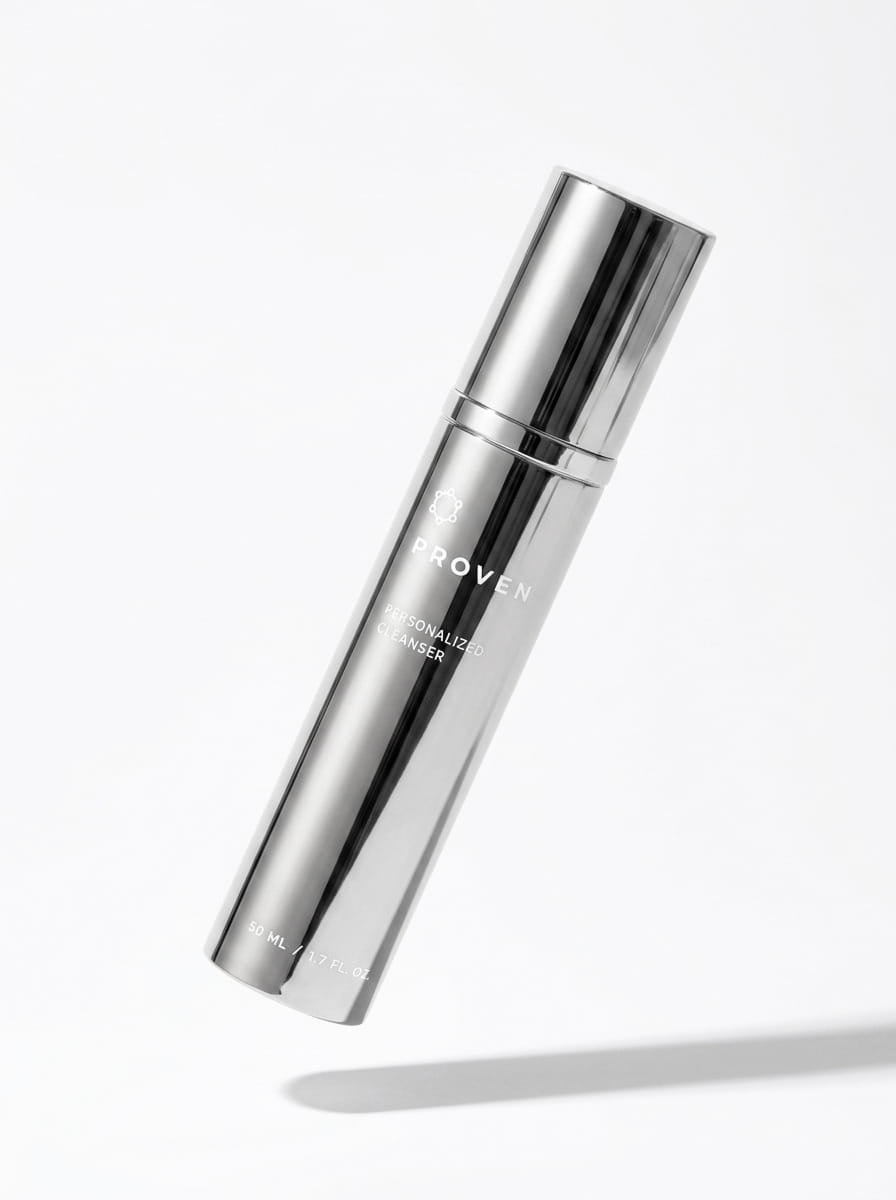
Personalized Cleanser
A gentle wash with exfoliating and toning properties — calibrated to your skin.
Take a quiz. We analyze your factors and build a formula made for you alone.
There are very few people who don’t have to struggle with acne—or, at the very least, a few blemishes every now and then—during their adolescence.
And that’s true—for some people. But others? They carry their acne with them straight into adulthood.
According to the American Academy of Dermatology, adult acne is on the rise, with up to 15% of adult women struggling with acne well into their 30s, 40s, and beyond (while acne in adult men is less prevalent than in women, it’s still a growing problem). But just because adult acne is fairly common doesn’t mean it’s not problematic for people who struggle with it.
So, how can you get rid of adult-onset acne? What are the most common acne causes? And, most importantly, what are the best acne treatments to get acne symptoms under control and get the clear complexion you’ve always wanted?
There are a number of reasons you might experience acne as an adult, including:
Hormones
For women, arguably the leading cause of acne in adults is hormones. Hormonal imbalances—which could be the result of pregnancy, hormonal birth control, menopause or changes during the menstrual cycle—can cause the skin to produce more oil, which can clog pores and lead to acne.
Oily skin type
Some people’s skin naturally produces more oil than others. That oil can then mix with dirt, bacteria, and dead cells on the surface of the skin, clogging pores and leading to blemishes and breakouts.
Comedogenic products
“Comedo” is another word for a pimple—and comedogenic refers to products that are likely to clog pores and lead to breakouts. According to acne.org, there are currently 27 ingredients people should look out for (including coconut oil and lauric acid) that score a “3” or above on the comedogenic scale (meaning they’re likely to clog pores).
Ok, so now that you know where adult acne comes from, let’s talk about the good stuff—how to treat it.
Use non-comedogenic products
Remember how we said “comedogenic” meant pore-clogging? Well, the opposite is also true—and non-comedogenic products are specifically formulated not to clog pores. If you want to keep adult acne at bay, make sure all the products in your skincare regimen—from your cleanser to your moisturizer to your sunscreen—are non-comedogenic.
Use the right ingredients
The key to successful treating adult acne? Incorporating the right ingredients into your skincare routine. Some of the most effective ingredients for treating adult acne include:
- Salicylic acid, which unclogs pores;
- Benzoyl peroxide, which kills acne bacteria;
- Glycolic acid, which exfoliates the skin;
- Retinol, a vitamin A derivative which unclogs pores and minimizes breakouts.
Just keep in mind—a lot of the ingredients that are effective at treating acne can also be harsh and drying, so it’s important to make sure you’re balancing out those ingredients with more calming, soothing, hydrating ones to keep your skin at its best.
Hydrate your skin
Like we just mentioned, a lot of acne-fighting ingredients can be drying—and can dehydrate the skin in the process of treating blemishes. But dehydrating your skin can send oil production into overdrive—which will just make breakouts worse. If you want to get your acne under control, hydrate your skin (and keep dehydration at bay) with lightweight gel moisturizers or oils. Just avoid products that are too thick or heavy; they have a tendency to sit on the surface without fully absorbing into the skin, which can make your acne problem worse instead of better.
Built from 47 factors of your skin profile — a cleanser, day moisturizer, and night cream calibrated to you from the 3-step Skin Genome Quiz.
A gentle wash with exfoliating and toning properties — calibrated to your skin.
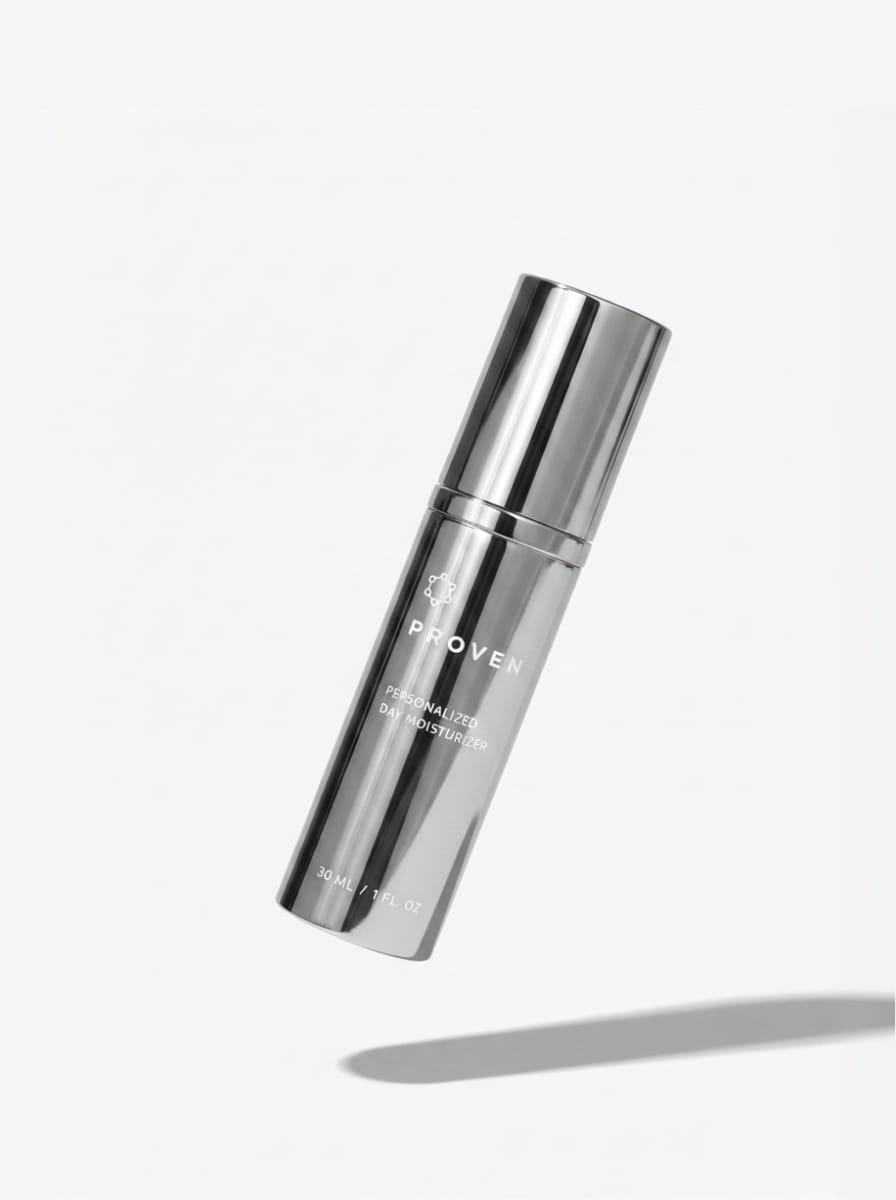
Lightweight daytime hydration — formulated for your skin.
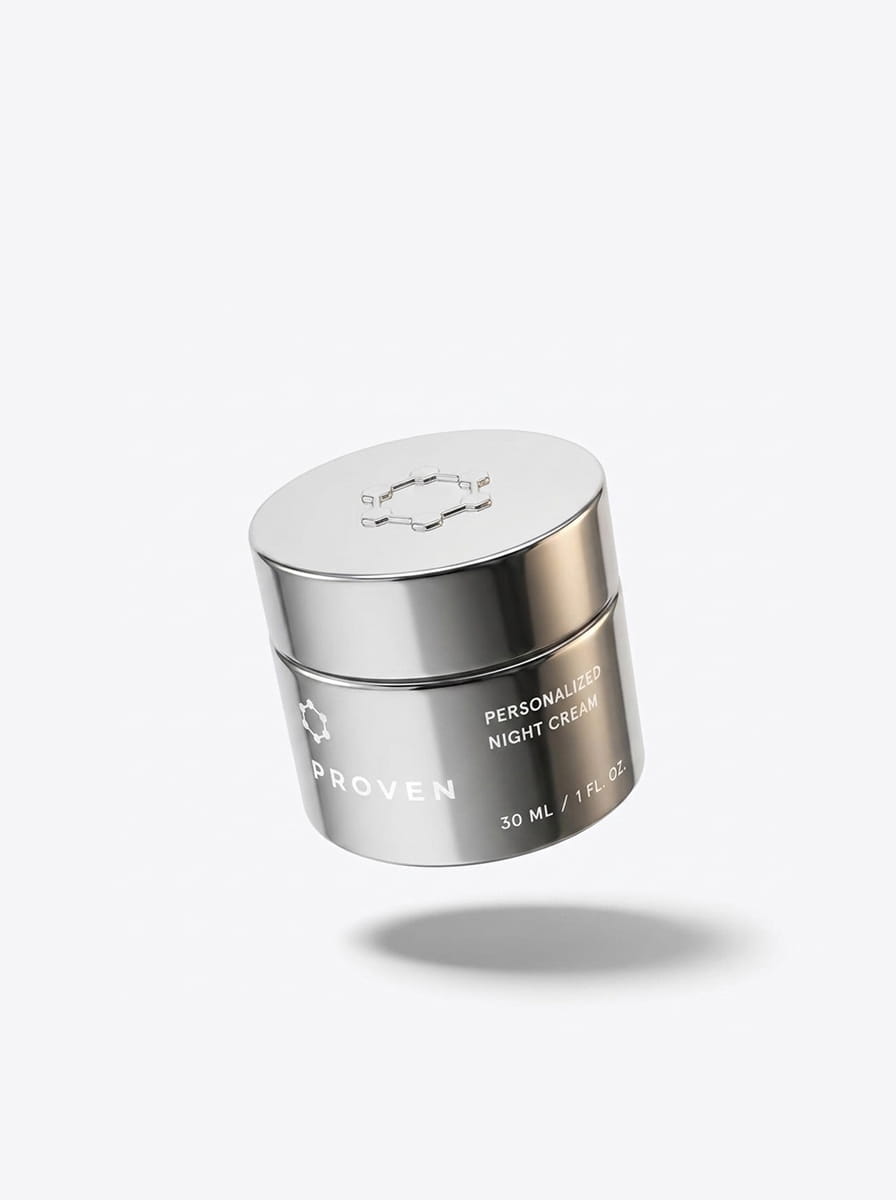
Overnight repair with the active ingredients your skin needs most.