




Retinoids
The first retinoids were FDA-approved as a topical acne treatment more than four decades ago.With time, dermatologists noted that patients who used the product also reported brightercomplexions, along with fewer age spots and wrinkles.
What are retinoids?
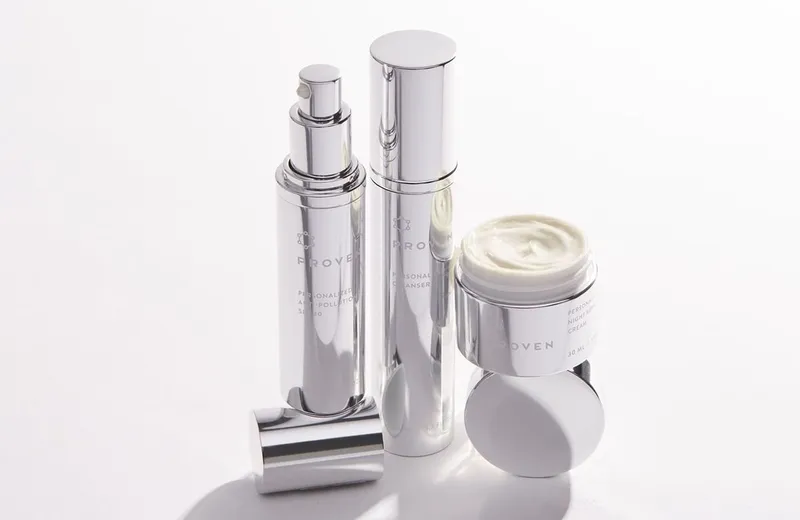
Retinoids can be natural or synthetic derivatives of Vitamin A and are used in prescription andover-the-counter skincare formulations. This potent ingredient affects cellular processes andhas been proven to increase collagen production, boost skin cell turnover, and prevent and correct signs of photo-aging.
What are the benefits of retinoids?
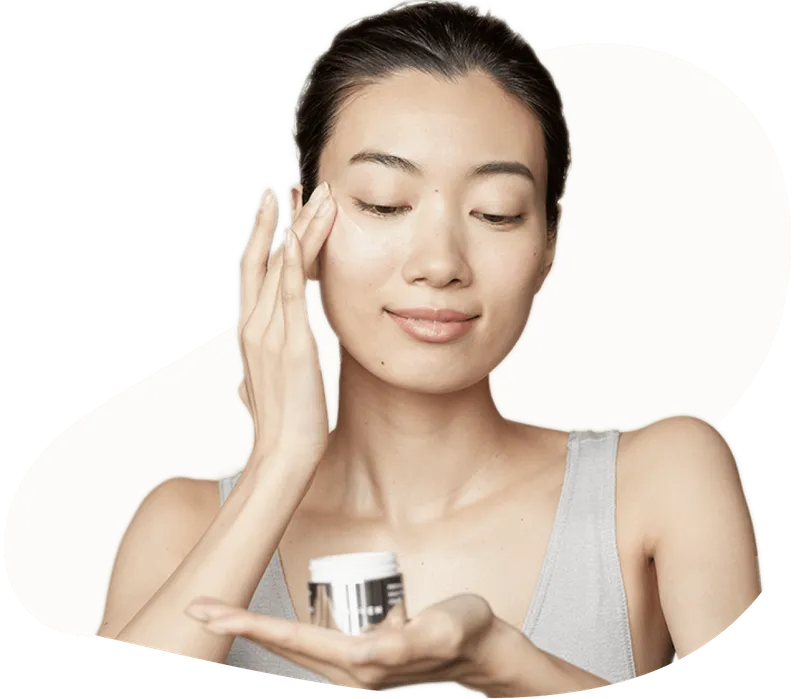
Smoother, younger-looking skin is the main benefit of retinoids. With consistent use, you willbegin to see improvements in tone, texture, and clarity within six months. Studies andanecdotal evidence have established that topical retinoids deliver several skin benefits:
- Soften the appearance of fine lines and deeper wrinkles
- Fade dark spots
- Exfoliate to reveal fresh, vibrant skin
- Slow collagen degradation from UV exposure
- Improve skin firmness and elasticity
- Decrease breakouts
- Increase epidermal thickness for better skin hydration
Keeps your skin healthy even if you spend a lot of time in the sun. The sun's heat dries out areas of unprotected skin and ultraviolet (UV) radiation can cause burning and photoaging.
Protects against HEV Blue light’s digital pollution. When you spend a lot of time in front of a screen, blue light can rob the skin of healthy collagen levels. Continued exposure can cause worsening of melasma, skin discoloration, fine lines or, in some cases, an increased risk of melanoma, or skin cancer.
Helps fight the effects of pollution on your skin. Polluted air contains small nanoparticles which cause premature aging. Clinical studies show that people with low pollution exposure levels have brighter, healthier, more radiant looking skin.
Retinoids help with these skin types:
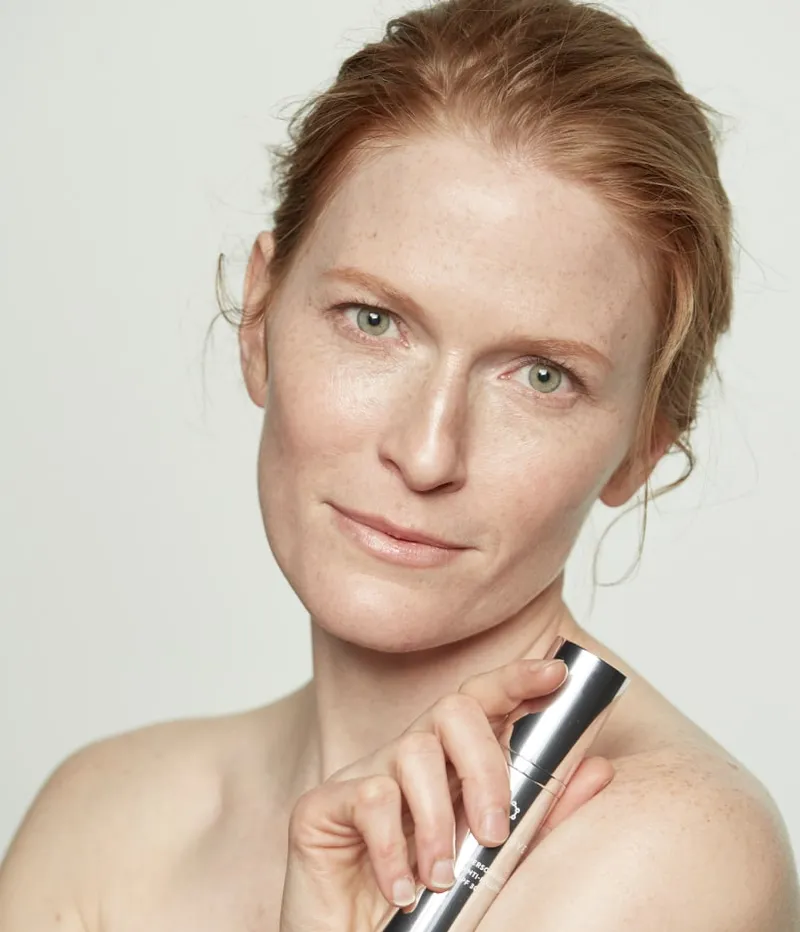
Oily skin
Retinoids reduce the tendency of cells to clog up pores, and it is especially helpful for those with oily and acne-prone skin.
Normal skin
Retinoids are a great exfoliant for normal skin and reduce signs of aging and pigmentation.
It refines the skin, making it smoother, creating a more even skin tone, a brighter appearance, and gives you radiant skin from within.
It is a perfect fit to address the primary skin care concerns for people in their 20s and early 30s. Make it a part of your regular skin care routine for healthy, beautiful skin.
This is a great time to make it a part of your skincare routine as you start thinking about incorporating more ingredients with anti-aging benefits.
It is a great bet for consistent, everyday incorporation in your skincare routine as it not only will tighten up your anti-aging regimen but also help you achieve firmer, more youthful skin.
As skin matures, it tends to lose hydration and feel dry. This helps hydrate and plump the skin, reducing the appearance of fine lines and wrinkles.
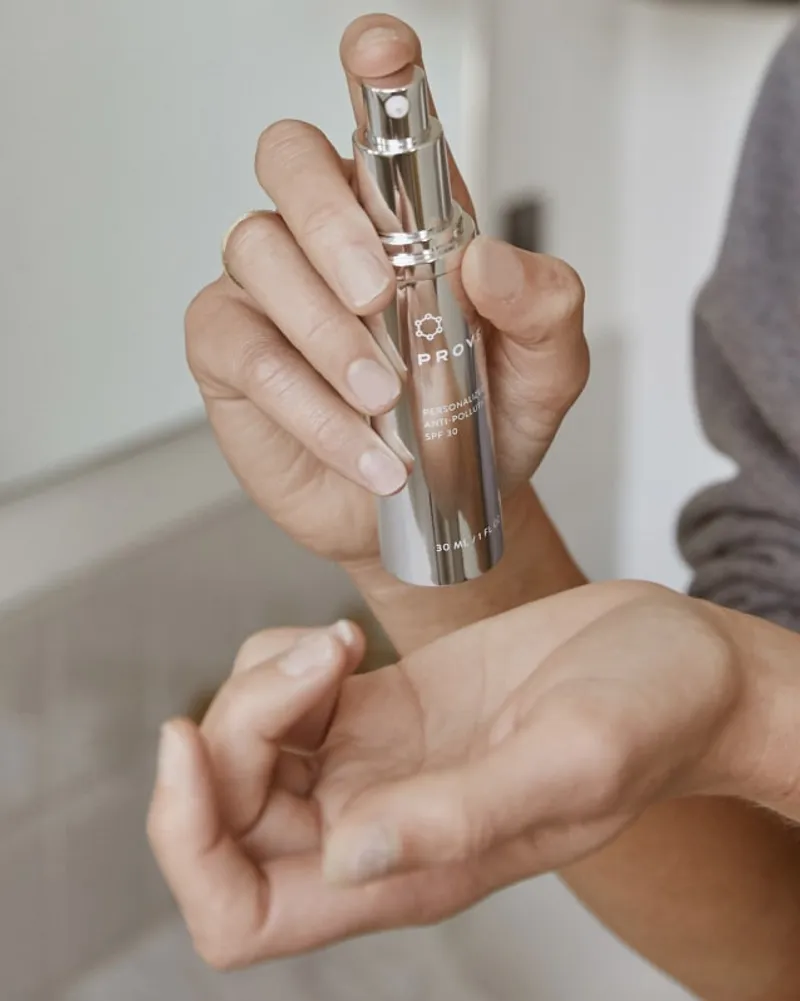
Wait 10 minutes after washing your face before applying retinoids, and keep in mind that a
little goes a long way. A pea-sized dab is sufficient for your entire face. After it has a few
minutes to penetrate, you can layer on other products, such as moisturizing creams or oils. It's
best to start with a low concentration-- around 0.03%-- and as your tolerance levels rise, you
can bump up to stronger formulas, up to a maximum of .1 %.
Because retinoids exfoliate the skin, temporarily making it thinner, always use a broad-
spectrum sunscreen in conjunction with this ingredient.
Retinoids are sensitive to UV light, which causes the components to degrade more rapidly. For
this reason, dermatologists recommend applying retinoids at night, just before you go to bed.
It is never too early to begin incorporating this powerful anti-aging ingredient into your skincare routine, especially if you have sun damage, acne, or pigmentation irregularities. Your
mid-to-late twenties are a great time to start using this Vitamin A derivative.
What are retinoids found in?
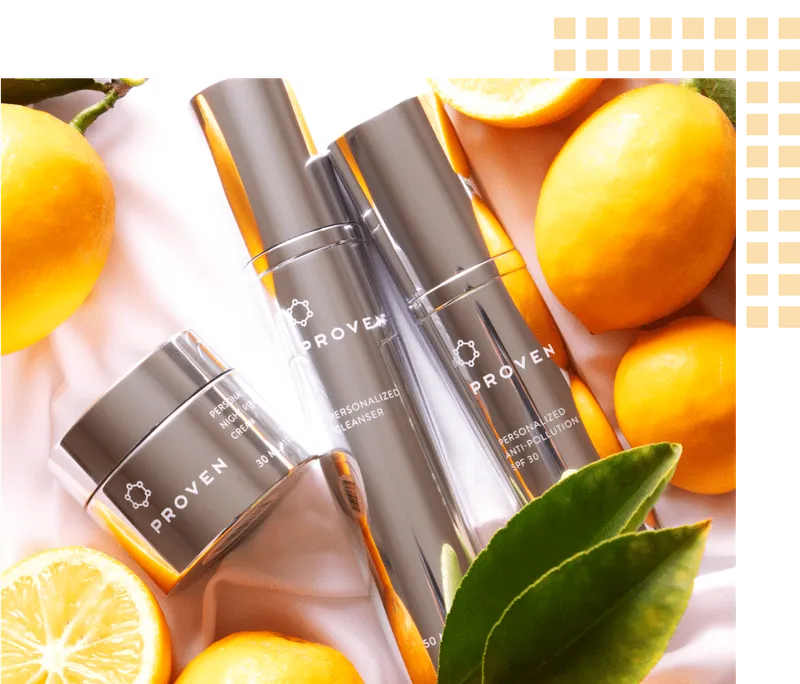
Most retinoids are featured in anti-aging and skin brightening formulas intended for eveningapplication, such as intensive night serums, creams, intensive moisturizers, and oils.
Are retinoids suitable for sensitive skin?
Retinoids can be irritating to sensitive skin. That said, many people can tolerate thispowerhouse active if they let their skin acclimate slowly over a period of weeks. As notedabove, always start with a low percentage (.01-.03%) and look for entry-level formulas thatincorporate hydrating, soothing ingredients. Sensitive skin types may also fare better withcream-based retinoid products, which tend to be less drying than gel-based versions. If youhave psoriasis, eczema, or an active rosacea flare-up, consult your dermatologist before usingretinoids.
Find out if you need retinoids
Should retinoids be a mainstay in your skincare regimen? The PROVENskin quizcan help you find the right products for your skin type and concerns.