

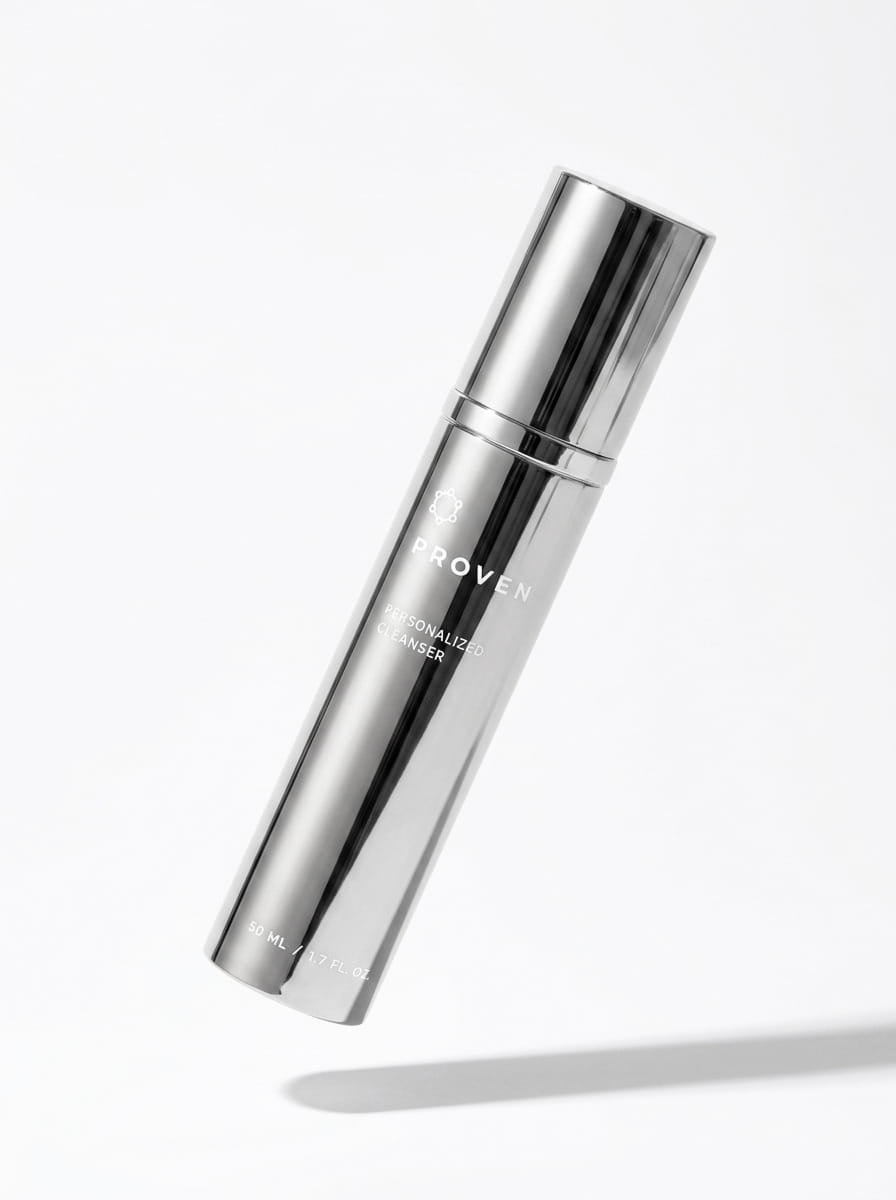
Personalized Cleanser
A gentle wash with exfoliating and toning properties — calibrated to your skin.
Take a quiz. We analyze your factors and build a formula made for you alone.
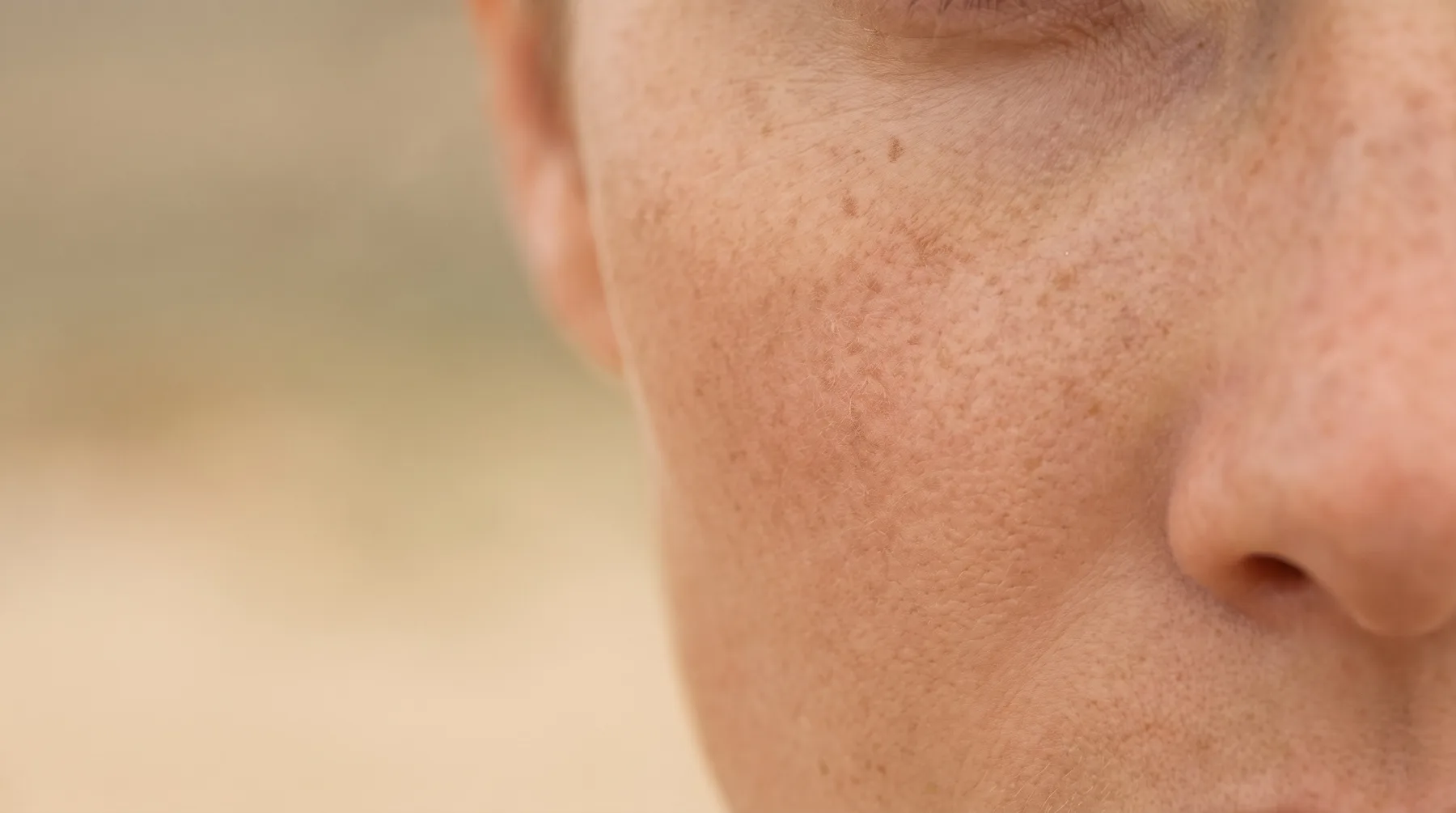
Sun damaging your skin? Science may have a solution. Read on to learn all about skin protection.
Sun protection is crucial for everyone. No matter your age, skin type, skin tone, or geographical location, shielding your skin from the sun is the single most important thing you can do to reduce your risk of skin cancer.
Along with increasing your chances at developing skin cancer, damage from the sun can result in dry, flakey, and wrinkled skin forming, along with various discoloration and hyperpigmentation. In fact, damage from the sun’s ultraviolet radiation is the number one cause of premature aging. Avoiding direct sunlight is the best way to protect yourself from the sun, but that’s not very practical.
Fortunately, there are multiple dermatologist-approved ways of protecting your skin, starting with your skincare routine.
The most commonly diagnosed type of cancer, both in the U.S. and around the world, is skin cancer. In fact, more people in the U.S. are diagnosed with this than the sum total of all other cancer patients combined.
The good news is that it is often preventable and, when detected in its early stages, most people have a favorable prognosis. Consider this: The five-year survival rate for melanoma that is detected and treated early is 99%.
Melanoma can develop anywhere so if you suddenly have a mole, brown spot, or growth appear on your skin then it could be an early sign of melanoma.
An easy way to remember the warning signs of skin cancer are to recall the ABCDEs of melanoma:
If you ever have a growth and one or more of the answers to these questions are yes, then you should see a dermatologist immediately.
Prevention is always preferable, and fortunately, skin cancer is highly preventable. Simply avoid indoor tanning booths and use skincare products with built-in sunscreen to reduce your risk.
If you can avoid going into the sun at its peak, between 10 A.M. and 2 P.M. then you should. However, if you must go out during these hours and will be in the sun for more than 30 minutes, apply sunscreen to the exposed areas of your skin first.
Simply put, the less time that you are exposed to direct sunlight, the less likely that you will develop skin cancer. Simultaneously, you’ll also be reducing your risk of prematurely developing signs of aging, such as wrinkles and areas of hyperpigmentation.
Facial moisturizers with built-in sunscreen eliminate the need to add another step to your beauty routine. Furthermore, specially designed facial moisturizers tend to be non- comedogenic, so there is no concern about the sunscreen clogging the pores and contributing to acne flare-ups.
The most important consideration when choosing a moisturizer with sunscreen is whether it offers broad-spectrum protection—which will protect your skin from both UVA and UVB rays.
Ultraviolet A (UVA) rays have a longer wavelength and are more associated with the premature aging of skin, while ultraviolet B (UVB) rays have a shorter wavelength and are more associated with skin burning.
When considering a moisturizer or sunscreen you will encounter the term SPF, or sun protection factor. Unfortunately, this number does not measure how much protection that the product offers from UVA rays, only UVB rays.
However, if you wear an SPF of at least 30 then you should be adequately protected. For long exposure in the sun, you may want to use an SPF of 50 or 100.
The second issue to bear in mind is that some sun protection products are chemical sunscreens, whereas others are physical sunscreens. A physical sunscreen essentially acts as a sun shield for face and body areas. It contains ingredients that work by deflecting the sun’s rays. Common physical sunscreen ingredients include minerals like titanium dioxide and zinc oxide.
A chemical sunscreen, on the other hand, soaks into the skin. It contains organic ingredients that absorb the sun’s rays. These ingredients then convert the rays into heat through a chemical reaction, allowing the heat to be released away from the skin. Some common chemical sunscreen ingredients include oxybenzone, octinoxate, octisalate, octocrylene, homosalate, and avobenzone.
There is no right or wrong answer regarding which type of sunscreen ingredients are right for you. It’s mostly a matter of personal preference. However, if you have sensitive skin, you may find physical sunscreen less irritating. In addition, physical sunscreen works immediately upon application, whereas chemical sunscreen needs about 20 minutes. Further, chemical sunscreen is thinner and lighter, and you can use less of it while still getting adequate protection. Ultimately, the best sunscreen for you is the one you’ll remember to use every day.
Despite the high incidence rate of skin cancer in the U.S., many myths about it and sunscreen persist, such as the following:
Truth: The clouds may reduce sunlight somewhat, but plenty of those ultraviolet rays still reach us—and your skin.
It’s necessary to wear sunscreen even on cloudy days. The clouds will help to reduce the overall heat that we feel, along with the brightness of the sun, but ultraviolet rays will easily penetrate the clouds.
Remember that the radiation is often invisible and without a feel, so even though it’s a cloudy and cool day, it doesn’t mean that you aren’t being showered with potentially harmful rays.
Truth: The sun’s rays aren’t any less harmful to your skin during the winter than they are during the summer.
Dermatologists recommend using sunscreen all-year-round for optimum protection. Similar to a cloudy day, we feel less heat during the winter months and the sun seems more dim. Neither of these facts will reduce the amount of ultraviolet rays that are contacting your skin. Regardless of temperature or light, if the sun is out then you need to be protecting yourself from it.
Truth: Actually, you only need about 10 to 30 minutes of sun exposure several times per week to make all the vitamin D your body needs.
Note that people with darker skin may need a little more. Plus, it’s possible to meet some or all of your vitamin D requirements through fortified food alone. A vitamin D deficiency will only likely develop after months without sunlight. Going to the grocery store, checking your mail, or taking out the trash should be plenty of time in the sun to get you all the vitamin D that your body needs.
Truth: Tans don’t prevent sunburn, and there is no such thing as a safe tan (with the sole exception of sunless tanning products).
Every time UV rays strike your skin, the DNA of your skin cells sustain damage. The skin becomes tan because the body creates more pigment to shield the skin from the harmful rays.
While a skin tan may be aesthetically pleasing to some, it’s actually a sign of distressed skin. What it means is that UVB rays have burned the cells of your skin and the natural response is for your skin to produce more melanin in an attempt to protect itself against further damage. Melanin is responsible for the color of our skin and the more that is produced the darker skin will become. In this case we call this darkening of skin a “tan”.
Truth: There is no natural immunity to skin cancer.
While it’s true that our bodies will produce more melanin as an attempt to prevent damage from the sun’s radiation, it is nowhere near powerful enough of a prevention. As a result, people with all types of skin colors and pigmentations are susceptible to skin cancer.
In fact, while skin cancer is more common amongst people with light skin tones, the death rate is actually higher for people with dark skin tones. This is most often because it can be harder to detect in people with darker skin tones, but it could be the result of darker skinned people insufficiently protecting themselves from the sun due to the perpetuation of this myth.
Truth: The Food and Drug Administration (FDA) has very strict standards set in place and regulates sunscreens in the same way as over the counter medications.
Their job is to protect people from ingesting a dangerous drug and they are responsible for preventing unnecessary deaths that could go from it. While the FDA has made it clear that sunscreen is a safe and effective option for protection from the sun, if you are still feeling wary then you can use mineral sunscreens containing zinc or titanium oxide that are also effective.
At PROVEN, we know that what works well for one person’s skin might not work well for you.That’s why we formulate your products just for you. Based on your answers to the skin quiz, ourAI algorithm will personalize three multifunctional products for you, including a rich moisturizerwith built-in protection from the sun. Take the skin quiz today to discover your customizedskincare formula.
Concerns, lifestyle, climate, and sleep — all covered in your formula.
Updates with your skin, life, and seasons. Every reorder.
Independent clinical study — brighter, more radiant skin.
By Stanford scientists. 28M data points behind every formula.
100K+ personalized formulas served. 30-day money-back guarantee.
A cleanser, day moisturizer, and night cream — calibrated to your skin from the 3-step Skin Genome Quiz.
A gentle wash with exfoliating and toning properties — calibrated to your skin.
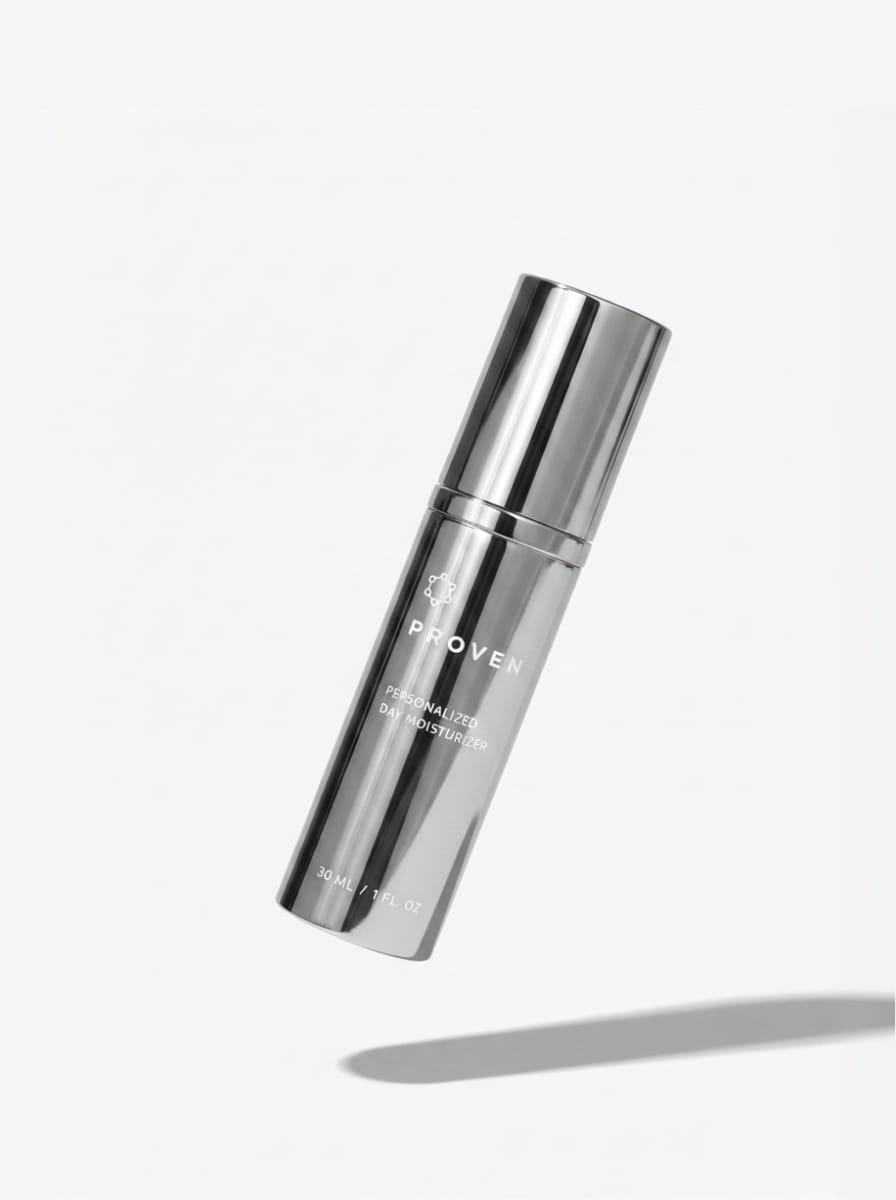
Lightweight daytime hydration — formulated for your skin.
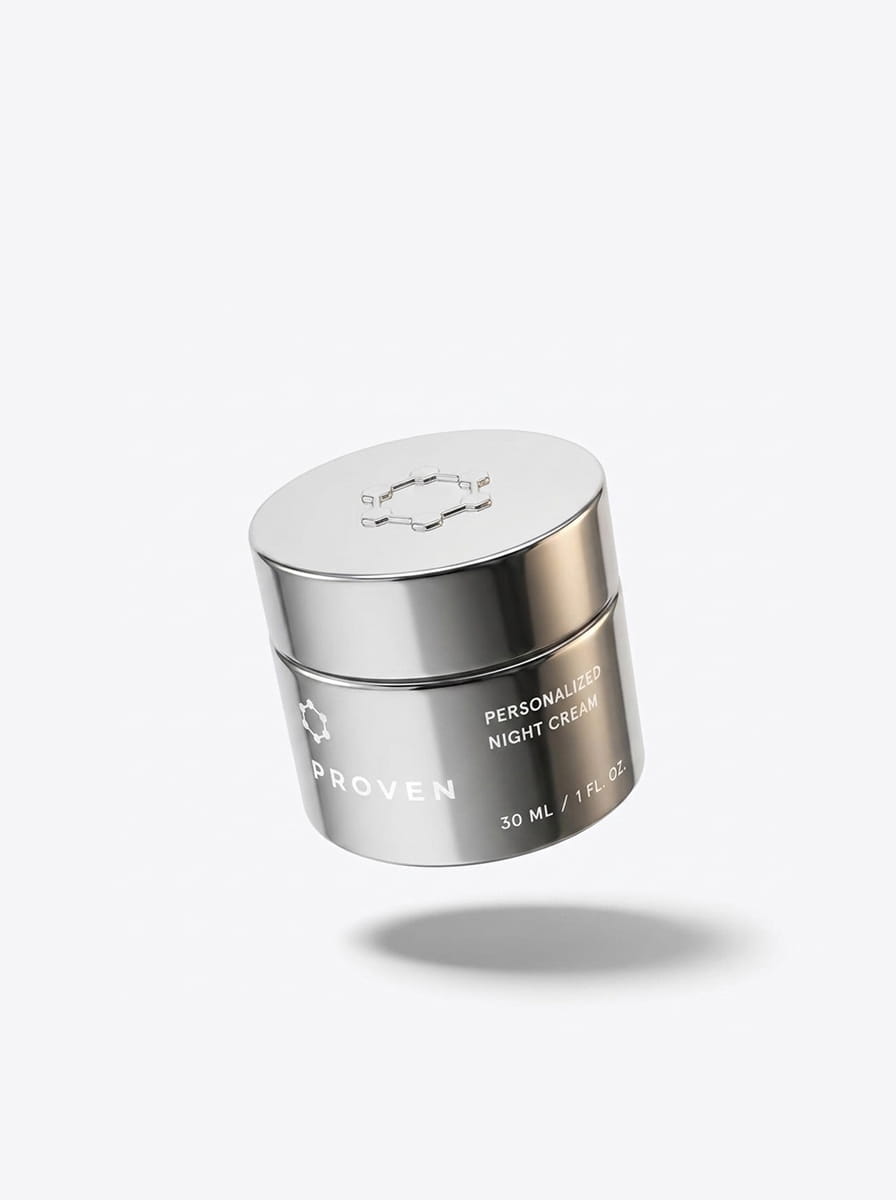
Overnight repair with the active ingredients your skin needs most.
Protection is the habit that makes every other step count. A few small adjustments make your daily SPF actually work, and your personalized routine starts with the quiz.
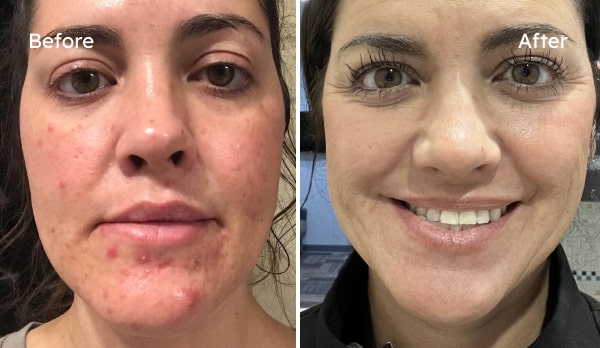
“It’s so clear and I can go without makeup and it looks amazing. I used to be so ashamed to walk around with no makeup, had terrible acne! This has been a game changer for me!”
Persistent inflammatory acne + barrier disruption = gentle sebum balance + barrier rebuild system.