

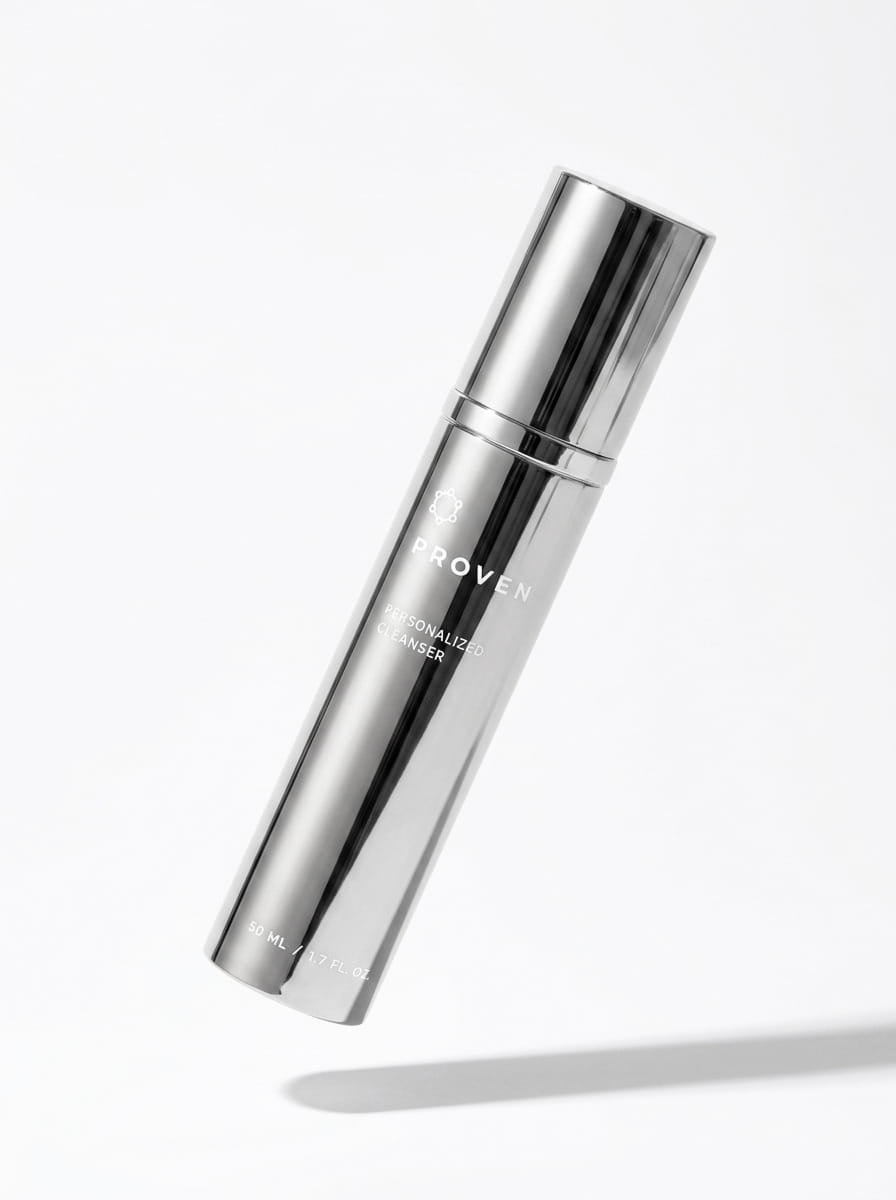
Personalized Cleanser
A gentle wash with exfoliating and toning properties — calibrated to your skin.
Take a quiz. We analyze your factors and build a formula made for you alone.
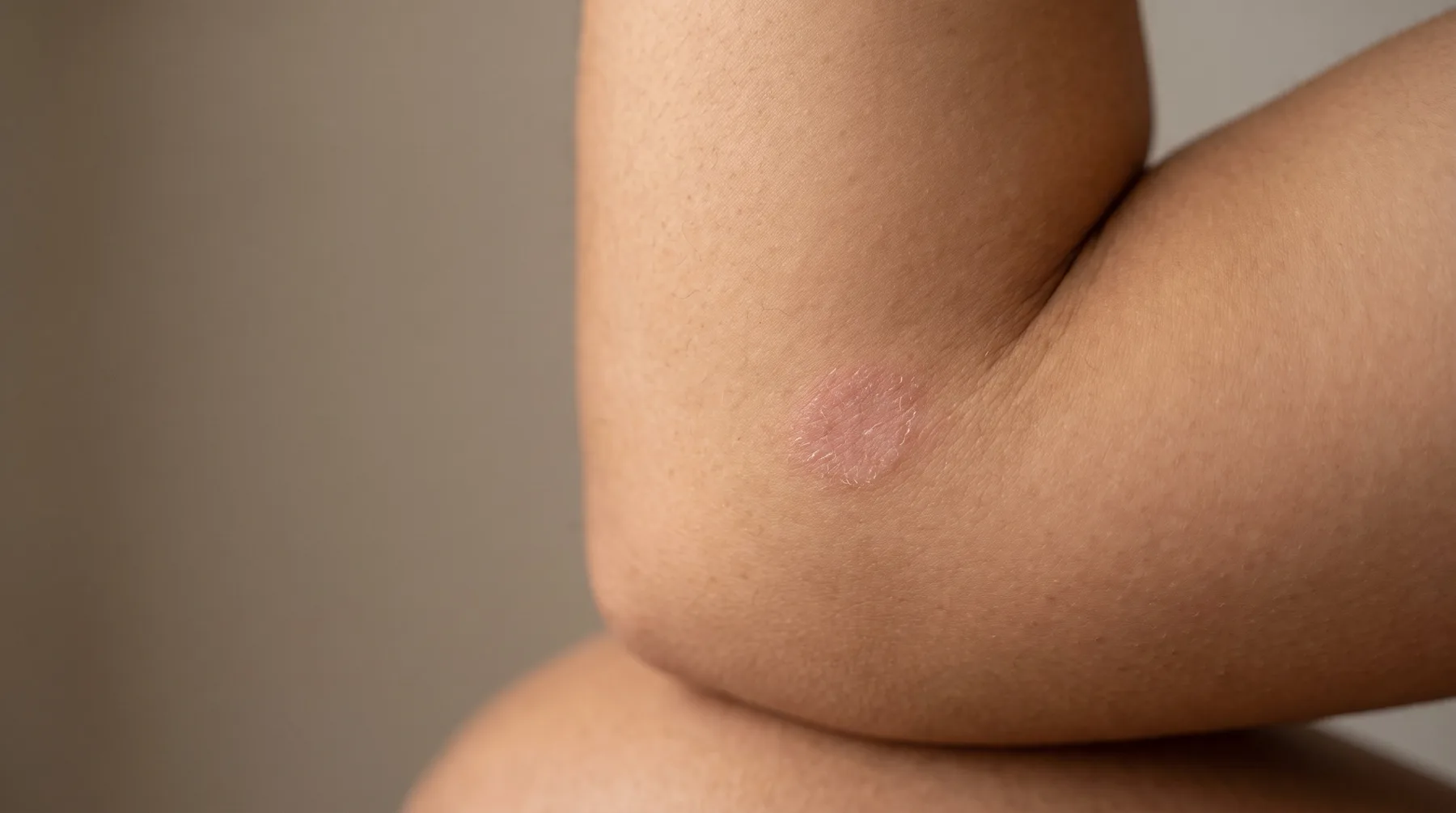
Understanding each individual eczema condition and the associated symptoms is helpful for getting the relief and skincare support you deserve.
Millions of Americans have eczema symptoms, a type of condition most often recognized by itching, irritated and dry skin, or rashes.
There are seven main types of eczema, and while you may experience different conditions simultaneously, they can require unique methods of treatment and management.
PROVEN Skincare can help. We believe in taking a personalized, individual approach to every skincare routine, so whether you’re seeking support for eczema, acne, or excess oil production, there are products, practices, and information here for you.
If you think you might be one of them, consider scheduling an appointment with a dermatologist or your doctor. It’s essential to get an accurate diagnosis for your body or facial eczema symptoms.
The symptoms of eczema, also known as atopic dermatitis, can vary from one person to the next. Some people might have eczema symptoms on their face, for example, while others might develop it on their hands and feet. It can develop anywhere on the body. However, it most commonly affects the insides of the elbows, backs of the knees, buttocks, and behind the ears. When the symptoms develop on the face, the cheeks are most often affected. Body and facial eczema can begin to appear at any age, although it commonly starts in childhood. It is a chronic skin condition characterized by its cyclical nature. People may experience a remission of symptoms but then go through periodic flare-ups. Although there is no cure for eczema, skincare treatments can relieve the symptoms.
For both the body and mild eczema on the face-- symptoms to watch out for include skin that isdry and itchy. The itchiness can sometimes become severe, particularly at night. People maydevelop patches of skin that appear reddish or brownish. As noted above, these patchesfrequently develop in these areas:
In more severe cases, the skin may become thickened, cracked, and scaly. Some people developsmall, raised bumps on the skin. If scratched, the bumps may leak fluid.Scratching can make it more severe and uncomfortable. When scratching is excessive, the skincan become raw, sensitive, and swollen. Some people with particularly severe itching mayscratch the affected areas to the point of bleeding.
There are a few common symptoms of eczema that are easy to recognize, including dryness, itchiness, and skin discolorations or changes. But with seven types of eczema, the symptoms and treatment methods are variable and distinct.
Here are some common symptoms to watch for when it comes to the different types of eczema.
Atopic dermatitis is what most people think of when they think of eczema. It develops as the result of an overactive immune response and is considered a genetic condition. With atopic dermatitis, the most common symptoms will be itching, redness, rashes, and discoloration.
There are two main ways to develop or contract contact dermatitis. It can happen as the result of an irritant, which may be caused by jewelry, soaps, fabrics, or environmental factors. Less likely is contact dermatitis from an allergic reaction, like the kind you might have to poison ivy. Contact dermatitis may present as dry, itchy skin, scales, rashes, swelling, or burning.
Dyshidrotic eczema is characterized by blisters, and easy to identify by location, as well. It most often develops on the palms and soles the feet or around them, on the toes and fingers. You may notice small, itchy blisters filled with pus, as well as redness, dryness, and itching. It can go away on its own or with topical treatment.
Leathery skin texture and isolated irritation are symptoms of neurodermatitis. The inflammation is located in a single spot and often caused by a specific type of irritation, like a bite. The response to itch causes scaly patches to form and may make the skin dry and leathery. Red or purple coloring is common, as well.
Nummular eczema is noticeable by the individual sores or lesions that form, most commonly on areas like the arms, legs, and back. The sores may look like bumps or blisters, may be raised and can begin to develop a crust of dry or scaly skin. They are often associated with dark spots and itching.
In addition to the common symptoms of eczema, like redness and scaly skin, seborrheic dermatitis may be associated with conditions like dandruff, peeling, and flaking. That’s because seborrheic dermatitis often occurs in areas prone to heavy oil production, like the scalp. Seborrheic dermatitis is often the result of stress and hormone changes and, unlike other forms of eczema, will not always itch.
If you notice that your lower legs are itchier than usual, or that there is inflammation, swelling, or ulcers on the skin, you may be experiencing the effects of a condition known as stasis dermatitis. It often results from poor circulation and can be associated with obesity, weight gain from pregnancy, kidney conditions, and varicose veins. Other symptoms can include skin discoloration and ulcers.
It is important to seek medical guidance for symptoms of stasis dermatitis, as it can often indicate more complex medical conditions that should be addressed early.
The symptoms of eczema can be a little different in children compared to adults. Childrenunder the age of two may more frequently experience symptoms on the face, including rasheson the scalp and cheeks. These may take on a bubbled appearance and can leak fluid. Childrencan have severe itchiness that disrupts their sleeping patterns.
Further, in children ages two and older, it is more likely to appear on the neck, creases of theelbows and knees, wrists, ankles, and the crease at the area where the buttocks meet thethighs. Parents might notice the rashes becoming lightened or darkened. Furthermore, somechildren develop skin thickening, which can cause long-term itching.
Your skin has unique needs, which are dependent on your lifestyle, environment, genetics, andskin type. Unfortunately, skincare products that are available over the counter or from yourdermatologist aren’t personalized to meet your skin’s unique needs, even if they are intendedfor people with eczema.
That’s why PROVEN has harnessed the power of AI algorithms to develop personalized skincareproducts designed for each person. Based on your responses to the skin quiz, our algorithm willcreate three multifunctional products designed to tame your eczema and enhance your beauty.Take the PROVEN eczema skin quiz today to discover your personalized formula.
Concerns, lifestyle, climate, and sleep — all covered in your formula.
Updates with your skin, life, and seasons. Every reorder.
Independent clinical study — brighter, more radiant skin.
By Stanford scientists. 28M data points behind every formula.
100K+ personalized formulas served. 30-day money-back guarantee.
A cleanser, day moisturizer, and night cream — calibrated to your skin from the 3-step Skin Genome Quiz.
A gentle wash with exfoliating and toning properties — calibrated to your skin.
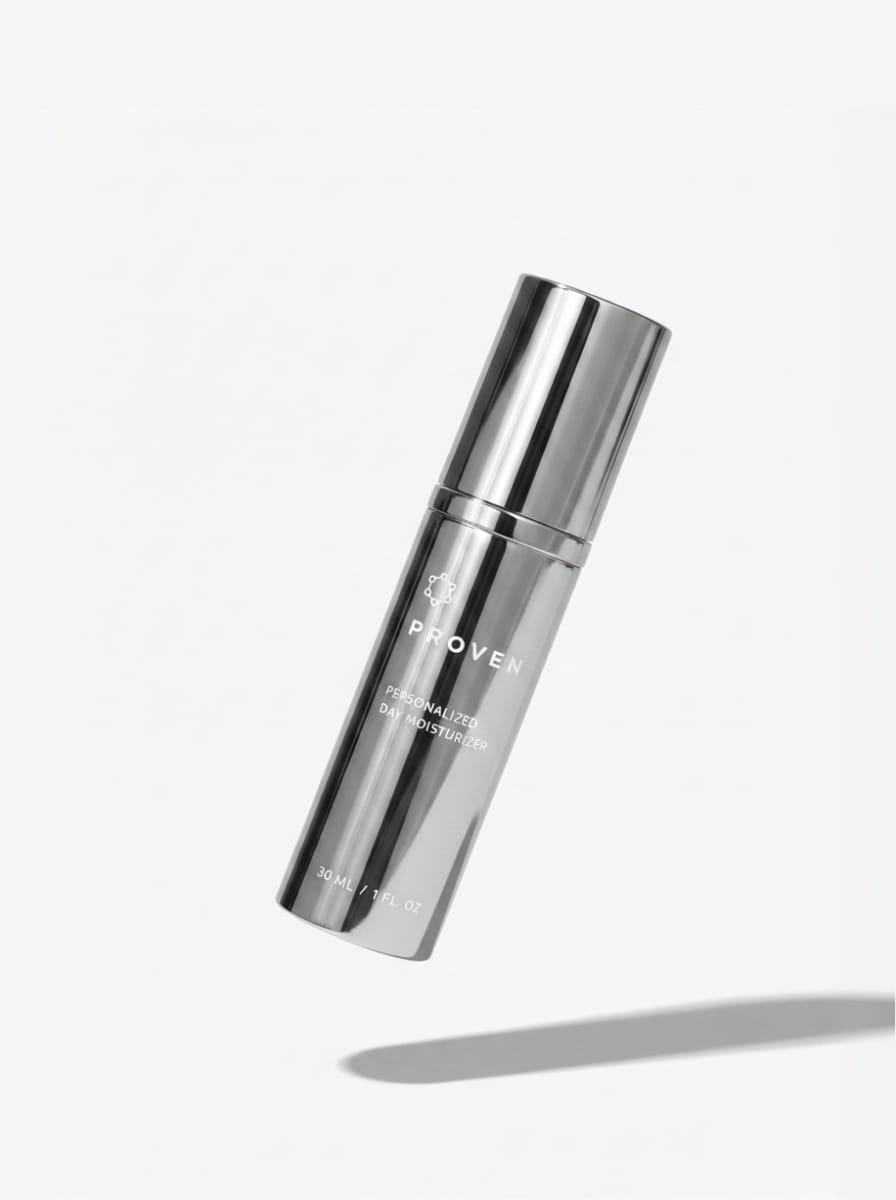
Lightweight daytime hydration — formulated for your skin.
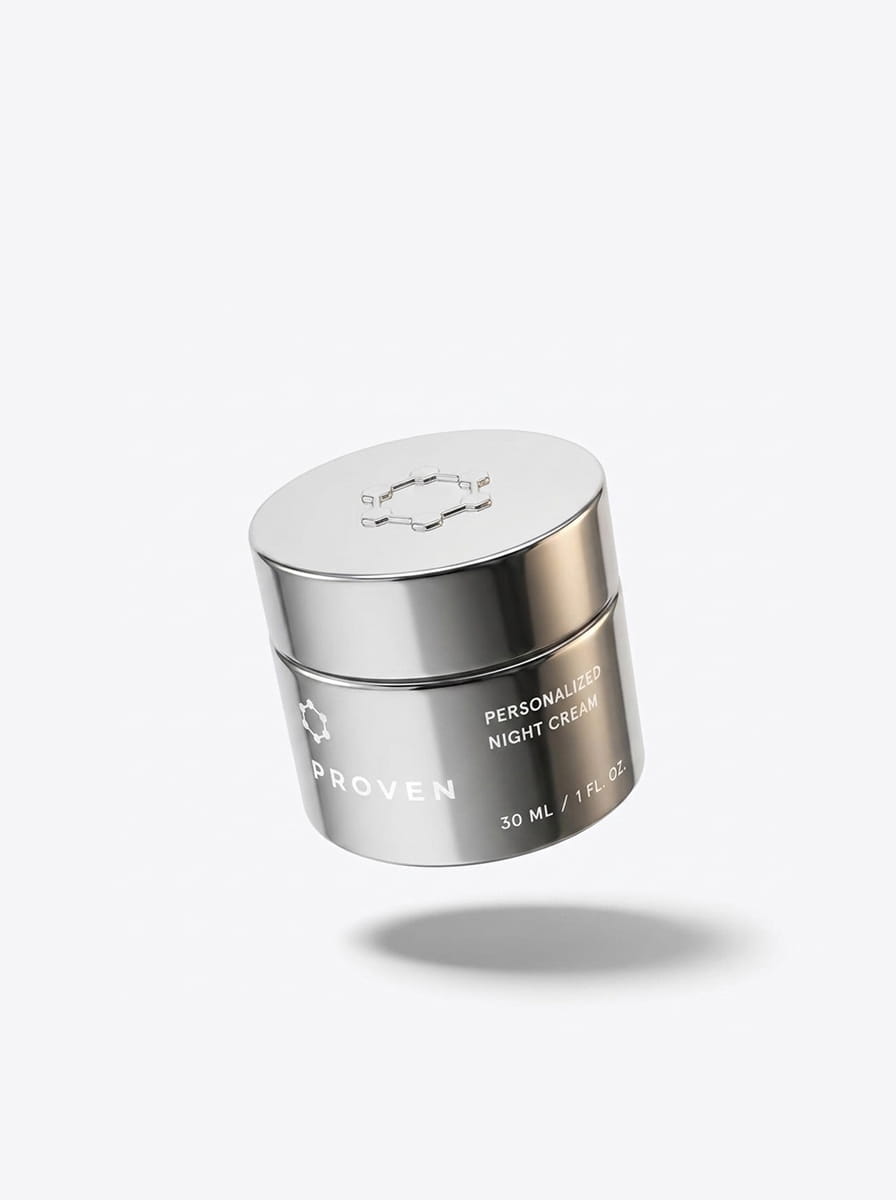
Overnight repair with the active ingredients your skin needs most.
Your formula works to keep skin comfortable and calm. A few habits help you catch symptoms early and settle them faster, and it starts with the quiz.
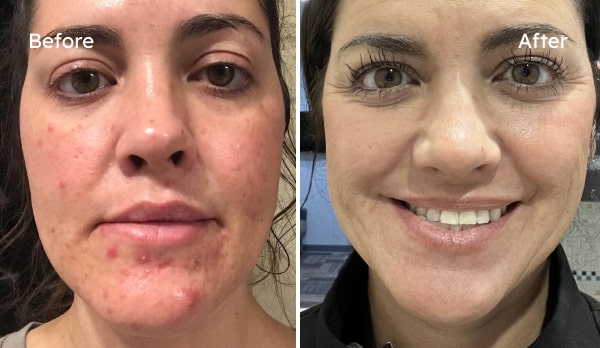
“It’s so clear and I can go without makeup and it looks amazing. I used to be so ashamed to walk around with no makeup, had terrible acne! This has been a game changer for me!”
Persistent inflammatory acne + barrier disruption = gentle sebum balance + barrier rebuild system.