

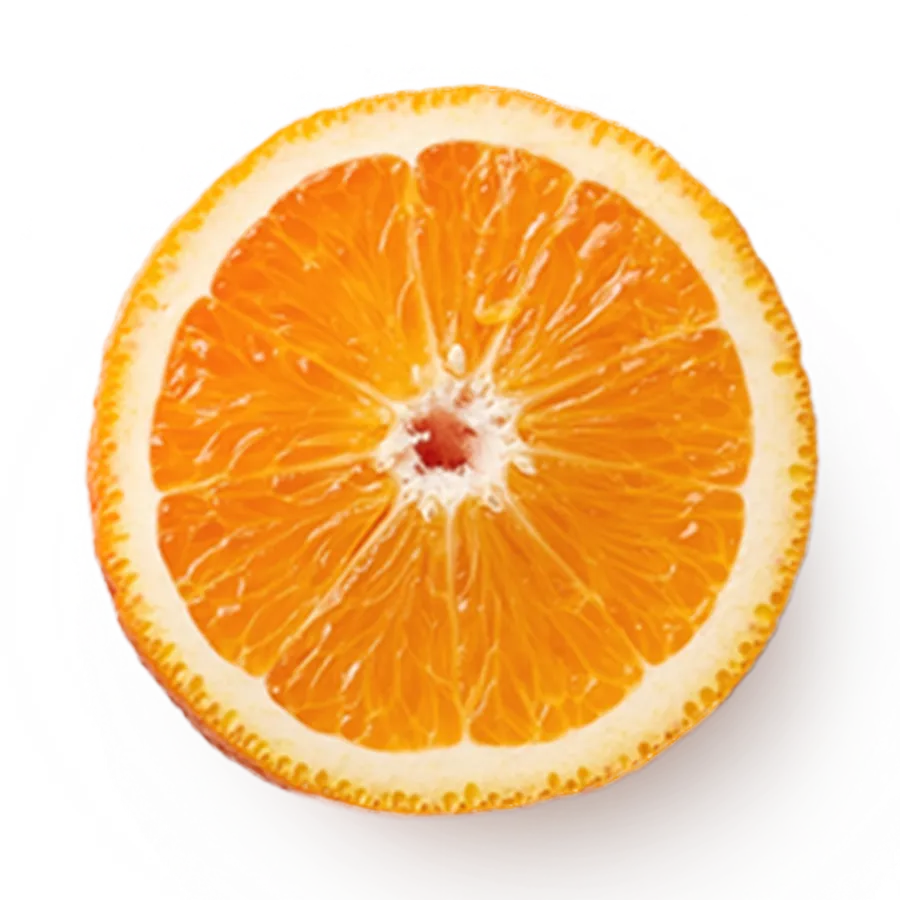
 01 / 03Key active
Vitamin C
A brightening, firming antioxidant that promotes collagen production and helps fade dark spots and discoloration
Take a quiz. We analyze your factors and build a formula made for you alone.
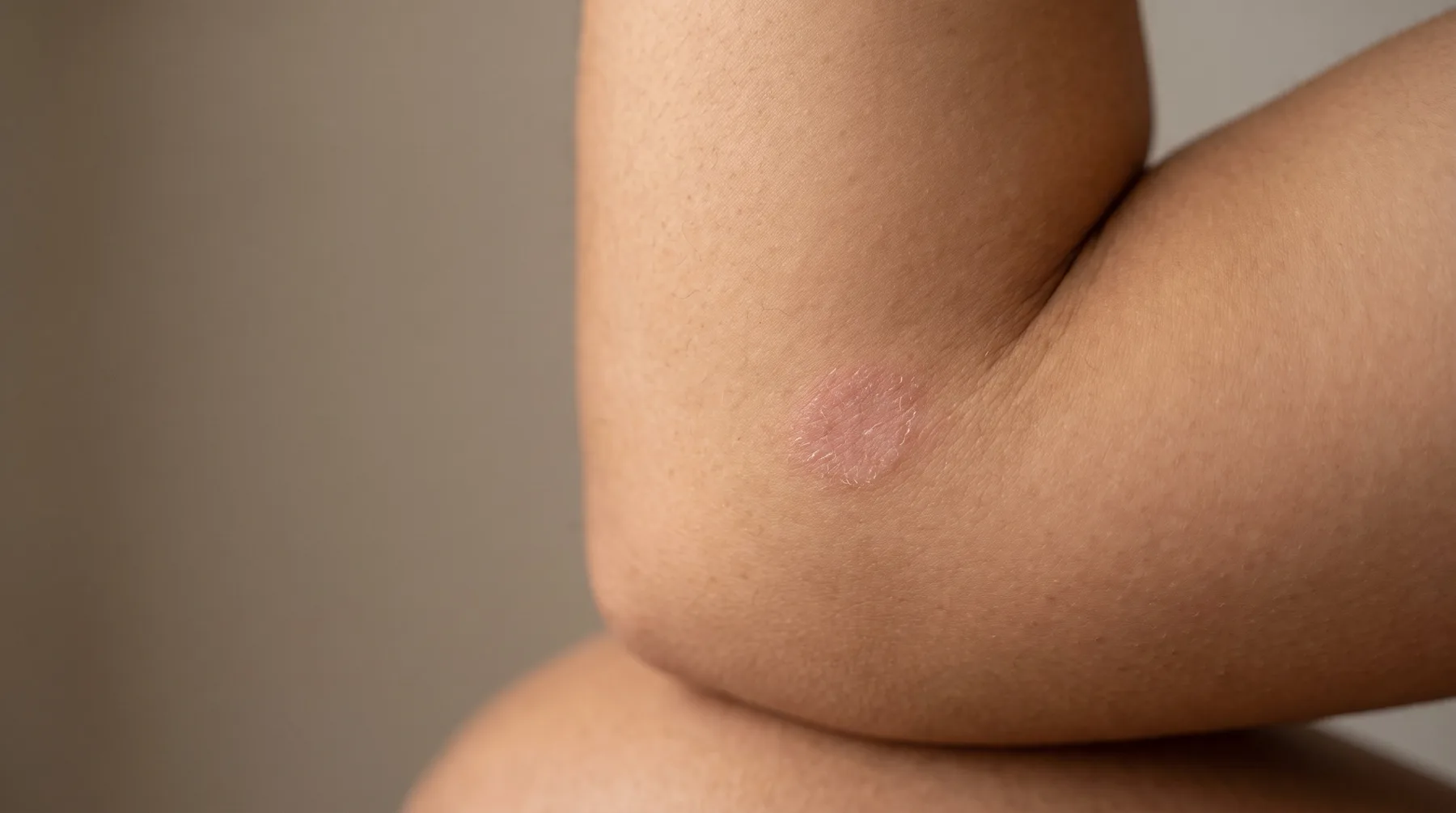
Experiencing skin inflammation? Science may have a solution. Read on to learn all about skin eczema.
Eczema is a broad term that describes a group of inflammatory skin conditions that cause the skin to become dry, inflamed, itchy, and irritated. There are several different kinds of eczema that affect millions of people of all ages including: seborrheic dermatitis, atopic dermatitis, dyshidrotic eczema, contact dermatitis, stasis dermatitis, and nummular eczema. Understanding the type or types of eczema affecting your skin is the first step to treating and managing the condition, so you can reduce your discomfort and feel confident again.
It can affect both adults and children and babies, and is characterized by itching, inflammation, and redness of the skin. It may also cause discoloration and discomfort and is believed to be caused by a combination of factors, including genetics and environmental allergens.
PROVEN Skincare is here to help. We believe in the value of personalized, individual skincare routines developed to fit your lifestyle and your skin type.
Whatever your skincare needs might be, we have the resources, product information, and medically based data to help you get the relief you deserve.
Regardless of your eczema diagnosis, each type causes similar symptoms, including:
Eczema symptoms vary slightly from person to person, which can make diagnosis tricky. Youmight have all of these symptoms, a combination of a few, or even just one. However, ahallmark of eczema is periods where the symptoms intensify-- called flare-ups-- and periodswhere they ease or even go away entirely. It helps to see a doctor to determine the root causeof your strain and whether medication is indicated to treat flare-ups.
Unfortunately, the exact cause of this inflammatory skin condition is still unknown. But expertsbelieve that genetics and environmental factors might have something to do with it.You’re more likely to develop eczema if one of your parents has it. Further, according to agovernment study, 20% to 30% of people with eczema have a gene variation that makes itharder for the top layer of skin to retain moisture and fight off irritants. In addition, someenvironmental factors-- called triggers-- can also induce flare-ups.
There are seven main types of eczema and they can be treated and managed in different ways. While it’s not uncommon to experience several types of eczema at a time, understanding the different conditions can make it easier to find the right products and treatment options for your needs.
Here’s what you’ll want to know about the different eczema conditions.
Of all the types of eczema, atopic dermatitis is the most common, and appears in both adults and children. The condition is chronic and may evolve, worsen, or lighten over time. As the result of an overactive immune system, the skin becomes dry, causing itching and rashes. It may also result in skin color changes, both darker and lighter, and redness of the skin is a common side effect, as well.
As the name would indicate, contact dermatitis is the result of items or allergens affecting the skin, rather than genetics or hormones. This may be caused by an irritant, including jewelry, fabrics, soaps or moisturizers, or can be an allergic reaction, as one might have to poison ivy or poison oak.
Once you have determined that you are experiencing contact dermatitis, it is important to remove the irritant to prevent further complications.
Dyshidrotic eczema is most commonly characterized by small, itchy blisters that appear around the fingers and toes and also on the soles of the feet and palms. There are many potential causes and triggers for dyshidrotic eczema, including irritants, stress, seasonal allergies, and humidity or sweat.
If you experience extreme itching in isolated spots or patches of skin, you may have a type of eczema known as neurodermatitis. It is worsened by the act of scratching, which can cause irritation of the nerves and actually make the skin take on a thick and leathery texture over time.
Neurodermatitis can cause difficulty sleeping and may actually lead to itching and scratching while at rest, so it’s important to speak with your healthcare professional for treatment and relief options.
Nummular eczema presents as small, circular patches that can ooze, itch, and appear like a scattering of dots or pricks. If you notice leaking, scaling, or a changing of the skin color to red or pink, speak to your healthcare provider about nummular eczema relief.
Seborrheic dermatitis is more common around oil-prone parts of the skin, which is why it often occurs on the scalp, back, and even the nose. It can result from an imbalance of bacteria on the skin’s microbiome, which can be caused by hormone changes, stress, medications, medical conditions, and even environmental factors.
Stasis dermatitis goes by many names, including gravitational dermatitis, venous eczema, and venous stasis dermatitis, and develops as the result of insufficient circulation, which causes swelling in the lower legs. It is more common in women and people over the age of 50, and often occurs alongside varicose veins, obesity, pregnancy, and high blood pressure.
There is no cure for eczema, however there are various treatments that can help soothe the skin and prevent future flare-ups. Depending on the severity of your flare-up, your doctor may prescribe medications like:
Finding and avoiding environmental triggers, for example, will help alleviate the symptoms. Though everyone has slightly different ones, some of the mostcommon include:
Extreme heat and extreme cold can irritate skin and induce a flare-up.
Dry air can also cause additional irritation. Use a humidifier to keep the air moist.
Manmade materials like polyester, and some natural materials like wool, are too scratchy for eczema-prone skin. Use soft fabrics like cotton for clothing, towels, and bedding.
Some food allergies can irritate the skin and cause flare-ups.Harsh Products – Skin comes into contact with dozens of products every day, from laundry detergent and cleaning solutions to hand soap, body wash, lotions, and cream.
The best way to combat eczema is a regular skincare routine that focuses on gentle cleansingand thorough moisturizing. Cleansing will help remove potential irritants, and moisturizing willhelp strengthen the skin’s natural barrier and soothe existing rashes.Cleanse twice a day with warm water and a gentle, non-soap cleanser. Pat-- don’t rub-- yourskin dry with a soft towel, and immediately follow with a moisturizer or cream enhanced withnatural, non-irritating skincare ingredients for eczema like Vitamin C, Vitamin A, green tea,pomegranate, and turmeric.
How do you find the gentle, hydrating products that will work for your eczema? Try PROVENSkincare. We formulate personalized solutions based on your geographic location, age, skintype, and any other related concerns. Take the guesswork out of your skincare routine. Takeour fast, free, and fun skin quiz to find the uniquely crafted products that will work best for you.
Every PROVEN formula draws from a library of clinically proven actives — yours is built from the ones that match your skin eczema profile.
01 / 03Key activeA brightening, firming antioxidant that promotes collagen production and helps fade dark spots and discoloration
 02 / 03
Stimulates collagen production and reduces the appearance of fine lines and wrinkles
 03 / 03
Improves skin firmness and elasticity, brightens dull complexions, and protects from environmental pollutants
Concerns, lifestyle, climate, and sleep — all covered in your formula.
Updates with your skin, life, and seasons. Every reorder.
Independent clinical study — brighter, more radiant skin.
By Stanford scientists. 28M data points behind every formula.
100K+ personalized formulas served. 30-day money-back guarantee.
A cleanser, day moisturizer, and night cream — calibrated to your skin from the 3-step Skin Genome Quiz.
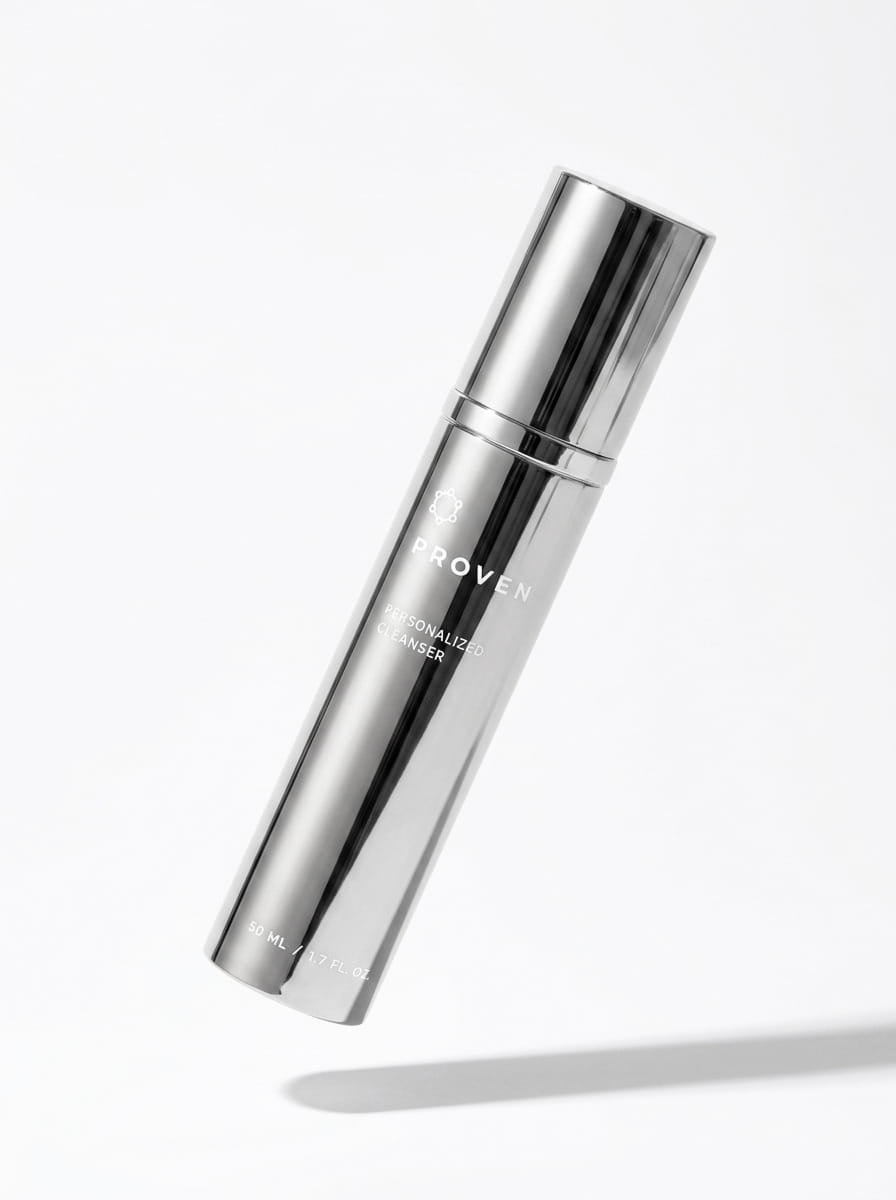
A gentle wash with exfoliating and toning properties — calibrated to your skin.
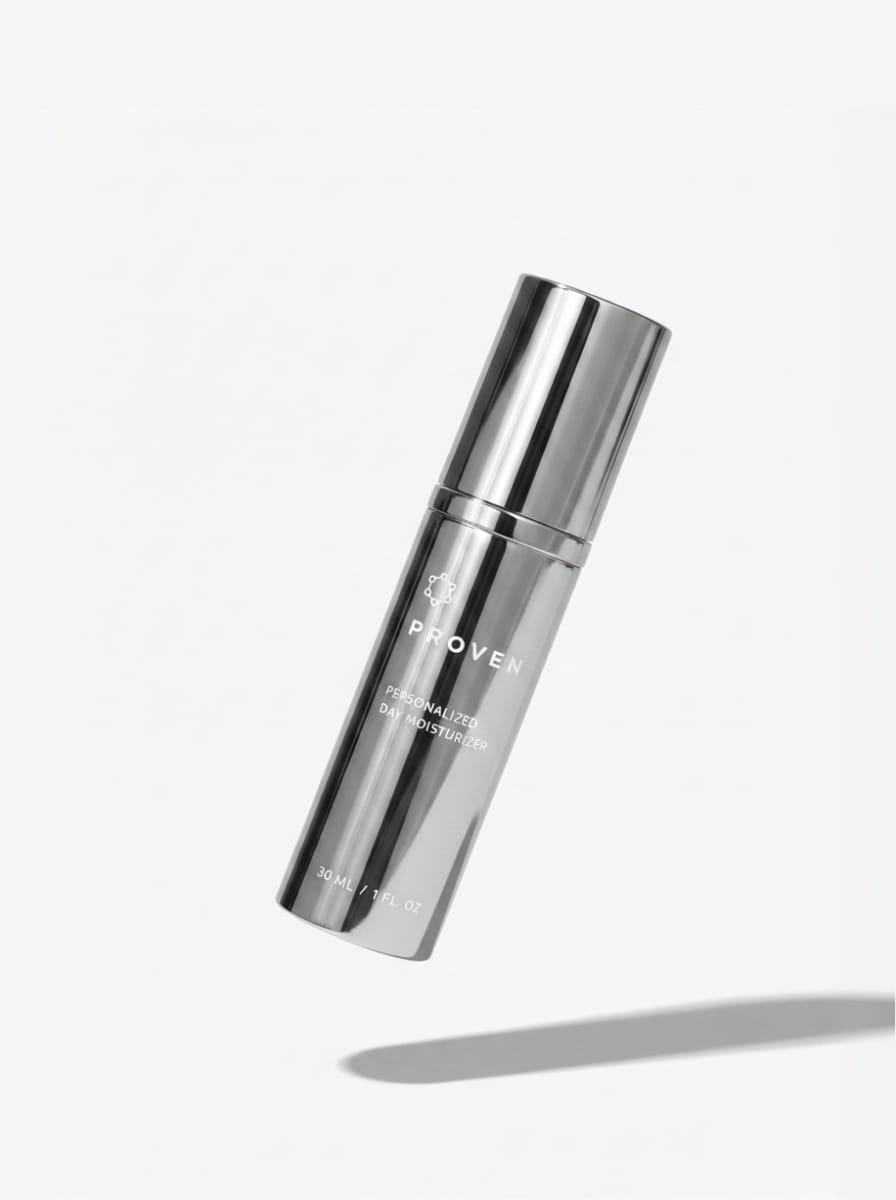
Lightweight daytime hydration — formulated for your skin.
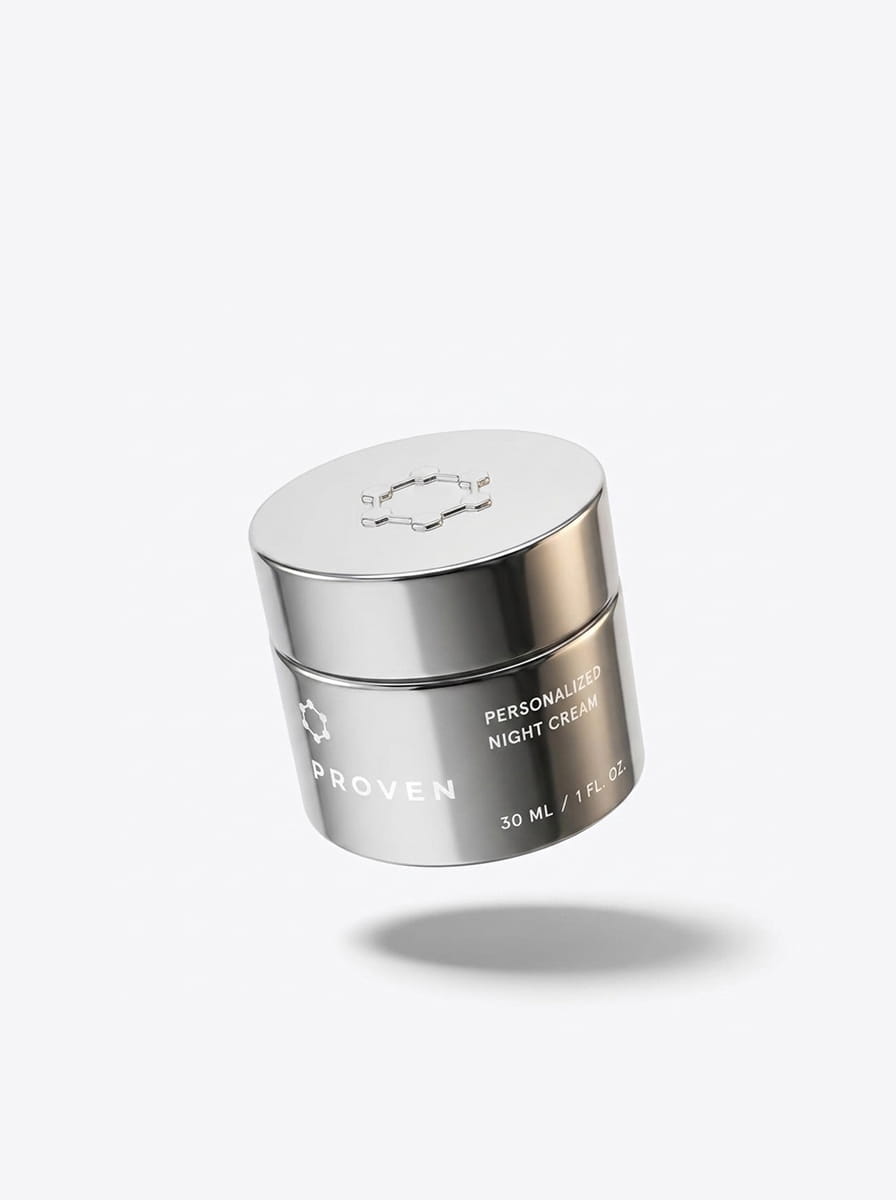
Overnight repair with the active ingredients your skin needs most.
Your formula does the heavy lifting. A few habits help it hold — keeping skin calmer between steps, and the routine itself starts with the quiz.
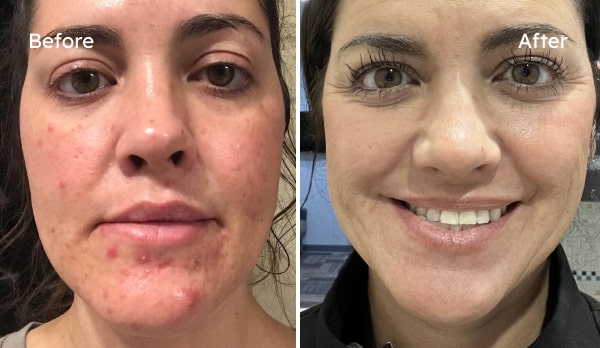
“It’s so clear and I can go without makeup and it looks amazing. I used to be so ashamed to walk around with no makeup, had terrible acne! This has been a game changer for me!”
Persistent inflammatory acne + barrier disruption = gentle sebum balance + barrier rebuild system.