

 01 / 03Key active
Vitamin C
A brightening, firming antioxidant that promotes collagen production and helps fade dark spots and discoloration
Take a quiz. We analyze your factors and build a formula made for you alone.
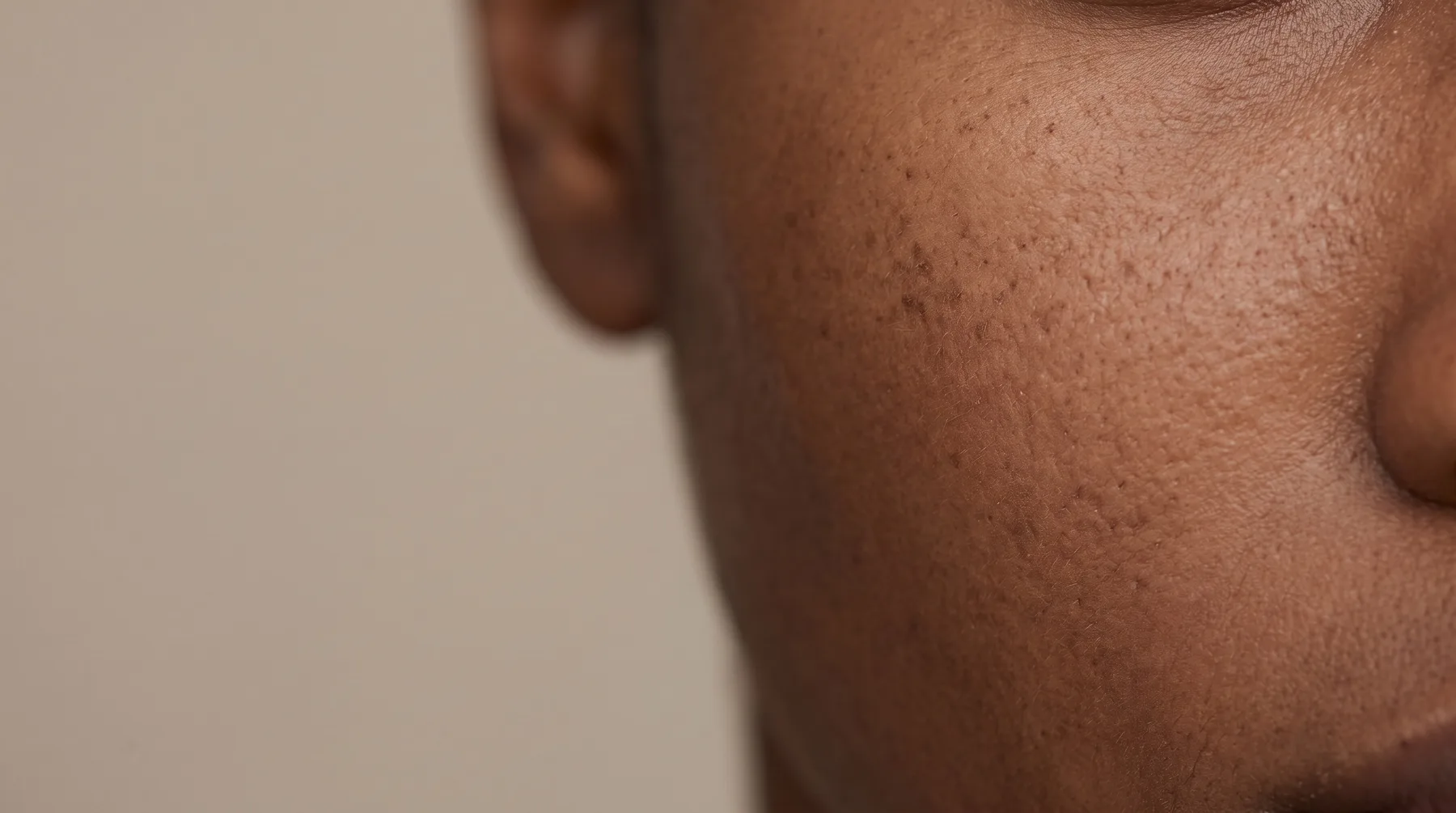
Experiencing hyperpigmentation? Science may have a solution. Read on to learn all about dark spots.
Dark spots on the face can develop in women and men, regardless of skin types and tones. They are most common after age 50, although they can occur in younger individuals. It can be frustrating-- particularly if you aren’t sure what’s causing them. Know, however, that there are effective ways of preventing, treating, and reducing their risk of reoccurrence.
Dark spots, which are also frequently referred to as sunspots and age spots, are non-raised areas of skin that look darker than the surrounding skin. They may be brown, gray, or black. Although they often occur on the face, arms, and hands, they may also develop in other areas of the body.
Here are some of the main causes why dark spots may occur:
The root cause of dark spot development is the excessive production of melanin, made by melanocyte cells.
It’s a pigment that gives color to the skin, hair, and iris of the eye. All people have roughly the same amount of melanocytes. However, melanin production can occur unevenly, which is what causes uneven skin tone and dark spots. This gives rise to why certain areas of the skin can be subjected to excessive melanin production.
Most often, the answer is ultraviolet (UV) damage. The melanocytes soak up the UV rays from the sun, which leads to excessive melanin production—because of this, protecting yourself from the sun is one of the most effective ways to prevent the development of them.
Dark spots are also known as sunspots or solar lentigines due to their tendency of developing on the skin of people exposed to sunlight and tanning beds. The areas of the body that receive the most sun exposure will be the most likely to develop dark spots, namely the face, neck, hands, and arms. Riehl’s melanosis is a form of contact dermatitis that is commonly believed to be the result of sun exposure.
Melasma is a skin condition that will lead to small patches of skin discoloration. This is most common in women, especially women that are pregnant. Linea nigra is another condition commonly associated with pregnant women. This is when a dark, vertical line appears lengthwise down the middle of the abdomen.
There are certain medications that can have the side effect of creating dark spots. The most common of them include:
After an insect bite, burn, or cut, it’s possible for dark spots to linger for a while during the healing process.
Some cosmetic skin or hair products can irritate the skin, which can result in the formation of dark patches.
One side of diabetes is that some areas of the skin will become darker. Some conditions that are connected with diabetes include acanthosis nigricans, which causes darkened and velvety skin, and diabetic dermopathy, which is often confused with age spots.
For people with darker skin, a spot that is a few shades darker than their normal skin tone will usually fade away within six to 12 months. Deeper coloration could take years to fade.
For these reasons, some people may opt for stronger treatments to remove these dark spots. There are plenty of creams that can help to lighten dark spots and eventually remove them.
However, some procedures might be more effective depending on the cause, size, and area of the dark spot. These treatment options can include:
There are many different types of laser treatments available. The most common laser that it used to treat dark spots on the skin will use an intense pulse light laser. This light will specifically target melanin and break up dark spots by essentially burning them off.
During microdermabrasion, a dermatologist will use a special device with an abrasive surface that will remove the outermost layer of the skin. This treatment will promote new collagen growth, which can help to reduce dark spots.
There are two types of microdermabrasion available. Crystal microdermabrasion will emit fine crystals through a want that rubs against your skin and scrapes away cells. Diamond tipped microdermabrasion will use an abrasive end of the wand for the same purpose.
While the skin might be pink for a little while afterward, both techniques are low risk.
A chemical peel will involve applying a solution to the affected area of the skin, which will exfoliate the outermost layer, resulting in new skin growth. This can help to gradually fade dark spots on the skin.
This procedure will involve the application of liquid nitrogen to the dark patches of skin, which will freeze them and injure the skin cells. The skin will often heal much lighter after this procedure.
It’s possible to obtain good results with an effective dark spot treatment, such as the PROVEN method. However, you will also want to focus on preventing them from returning. Make sure your skincare routine includes products with SPF. It’s ideal to use an SPF of at least 30. Apply it every morning and at least every two hours while outdoors.
Remember that the sun’s rays can reach your skin regardless of the season and the weather, so apply SPF even if it’s a cloudy winter day. The sun is at its strongest between the hours of 10 a.m. and 4 p.m., so you should try to limit your amount of time outside during these hours. In addition, when you do go outdoors, consider wearing a wide-brimmed hat to shade your face.
You should also treat skin conditions, such as acne, in gentle ways in order to avoid inflammation.
For the most part, dark spots on the skin are not harmful and are just a cosmetic blemish. However, there are some cases where it may be difficult to tell the difference between a regular dark spot and melanoma, which is a type of skin cancer.
If you currently experience any of the following symptoms related to your dark spot, then you should schedule an appointment with a doctor or dermatologist as soon as your can:
Grounded in science, the PROVEN method uses an AI algorithm to develop products that care for your skin while addressing dark spots. Each multifunctional product is non-toxic and cruelty- free. Further, each one contains the dark spot ingredients that have been extensively researched and clinically proven to be effective and safe for your skin type. PROVEN tested our personalized approach to dark spot removal. We asked participants of the study to apply the individually formulated cleanser, day cream, and night cream to their skin. Close analysis of before and after photographs of the participants’ dark spots revealed that after just 28 days, the PROVEN regimen significantly reduced their color. Furthermore, participants were shown to have improved skin elasticity, skin tone evenness, and clarity, as well as decreased redness and pore size.
At PROVEN, we harness the power of a custom-designed AI algorithm to formulateindividualized, multifunctional products. Based on your responses to our Skin Genome Quiz, our Stanford-trained scientists develop clinically proven products designed to cleanse and nourishyour skin while simultaneously addressing dark spots and other skincare concerns. Take the skin quiz today to discover your PROVEN solution.
Every PROVEN formula draws from a library of clinically proven actives — yours is built from the ones that match your dark spots profile.
01 / 03Key activeA brightening, firming antioxidant that promotes collagen production and helps fade dark spots and discoloration
 02 / 03
Inhibits melanin production in the skin and acts as an antioxidant to prevent free radical damage from UV exposure
 03 / 03
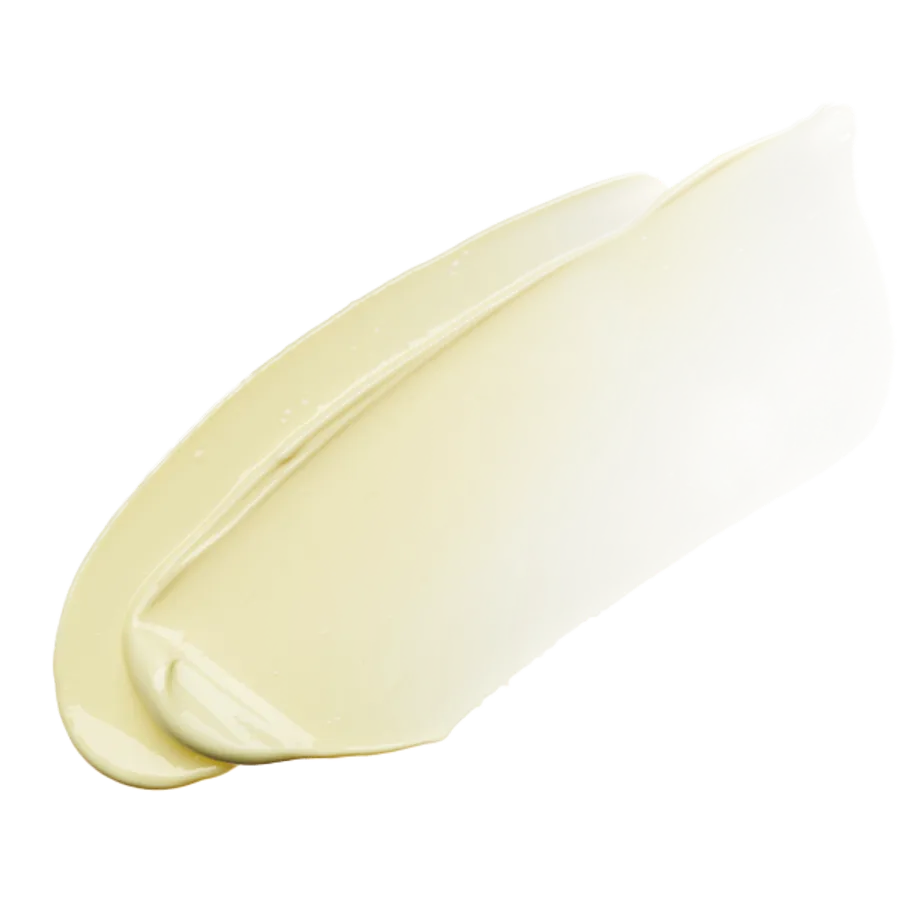
Anti-aging, brightening, renewing, and acne-combating superpowers, while being more gentle on the skin
Concerns, lifestyle, climate, and sleep — all covered in your formula.
Updates with your skin, life, and seasons. Every reorder.
Independent clinical study — brighter, more radiant skin.
By Stanford scientists. 28M data points behind every formula.
100K+ personalized formulas served. 30-day money-back guarantee.
A cleanser, day moisturizer, and night cream — calibrated to your skin from the 3-step Skin Genome Quiz.
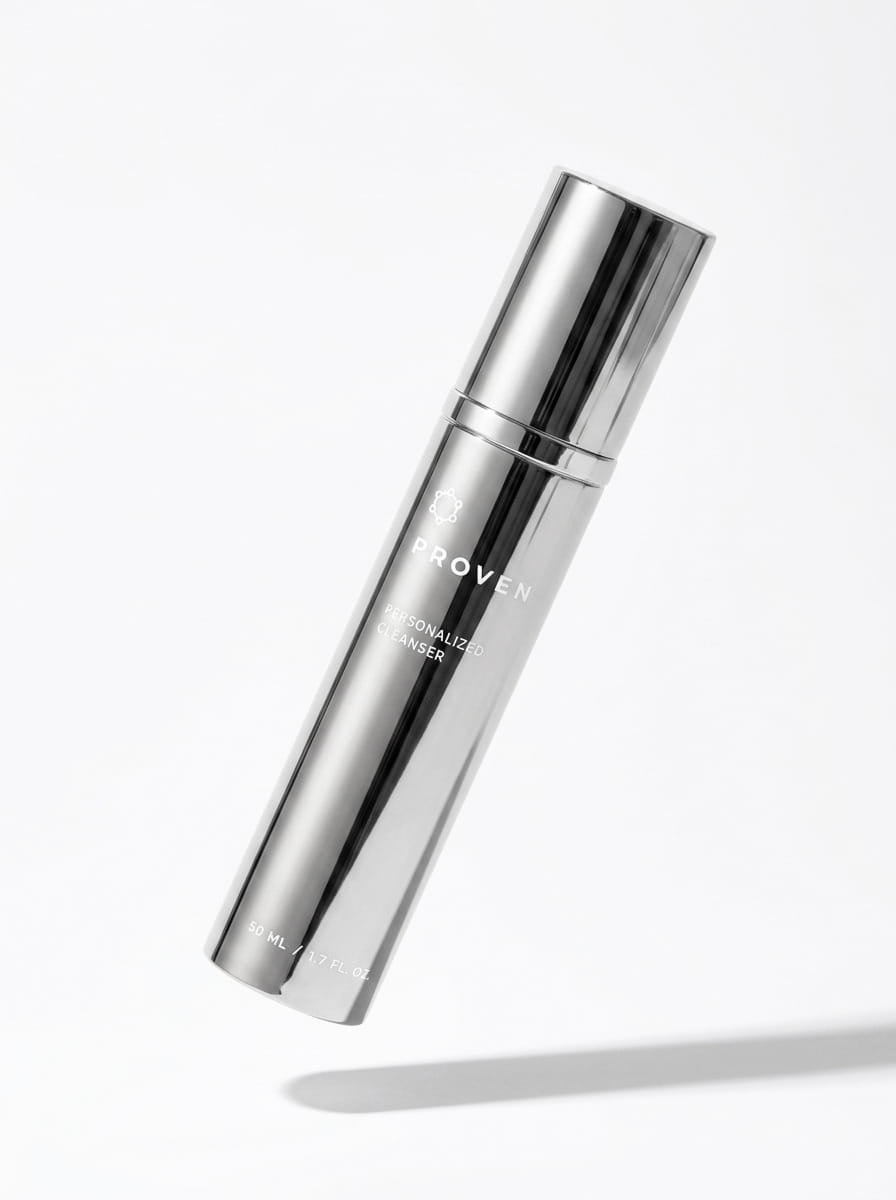
A gentle wash with exfoliating and toning properties — calibrated to your skin.
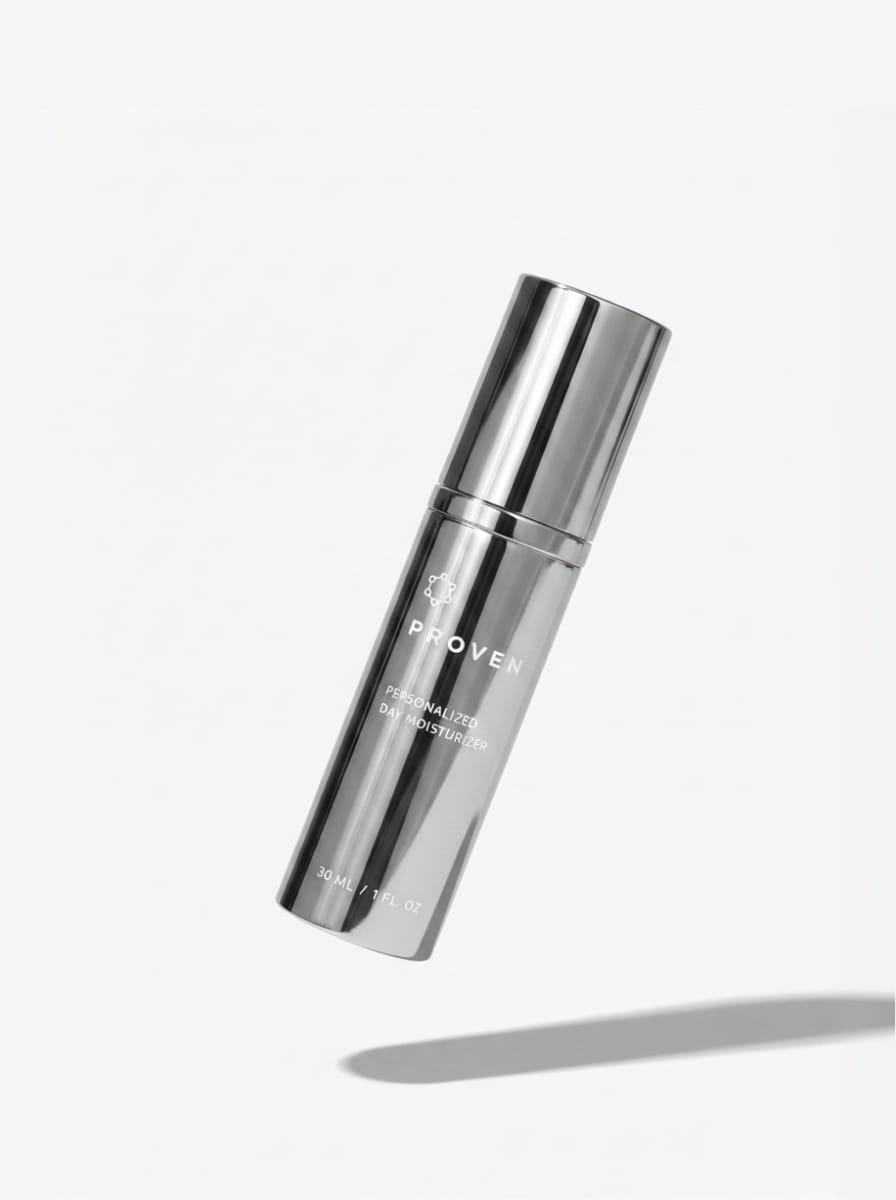
Lightweight daytime hydration — formulated for your skin.
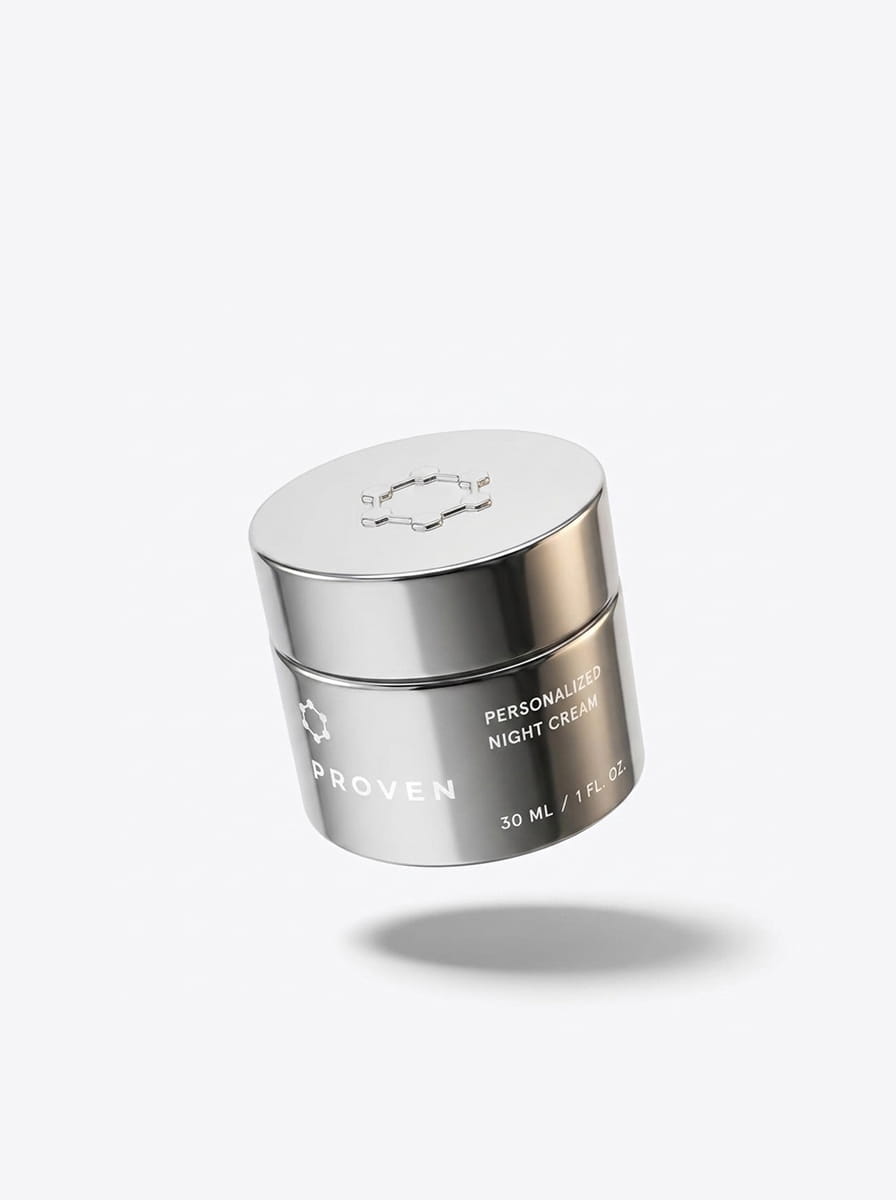
Overnight repair with the active ingredients your skin needs most.
Your formula does the heavy lifting on dark spots. A few daily habits protect that progress — and the routine itself starts with the quiz.
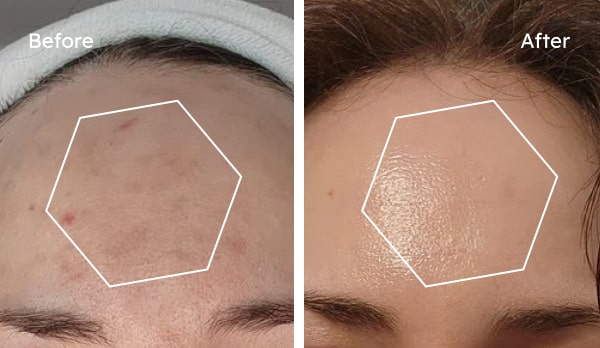
“The dark spots and redness made me feel like nothing was working. PROVEN actually addressed both at once — my skin tone is more even than it’s been in years.”
Dark spots + redness-prone skin = brightening + calming dual-action system, not harsh single-ingredient spot treatments.