

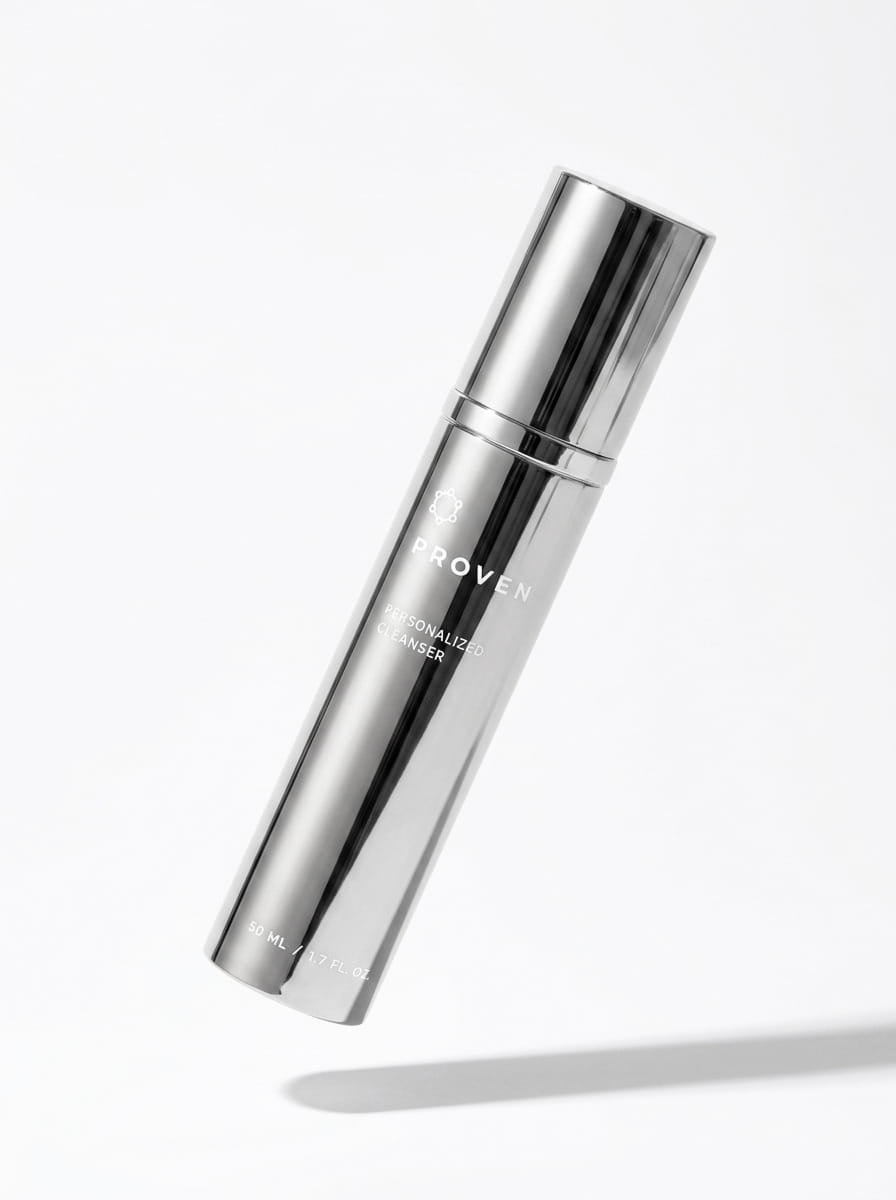
Personalized Cleanser
A gentle wash with exfoliating and toning properties — calibrated to your skin.
Take a quiz. We analyze your factors and build a formula made for you alone.
Acne has more moods than we can keep up with. Ranging from subtle, even delicate whiteheads to hot pink volcanos, breakouts can downright, “Alright, I’m canceling my weekend plans” beasts.
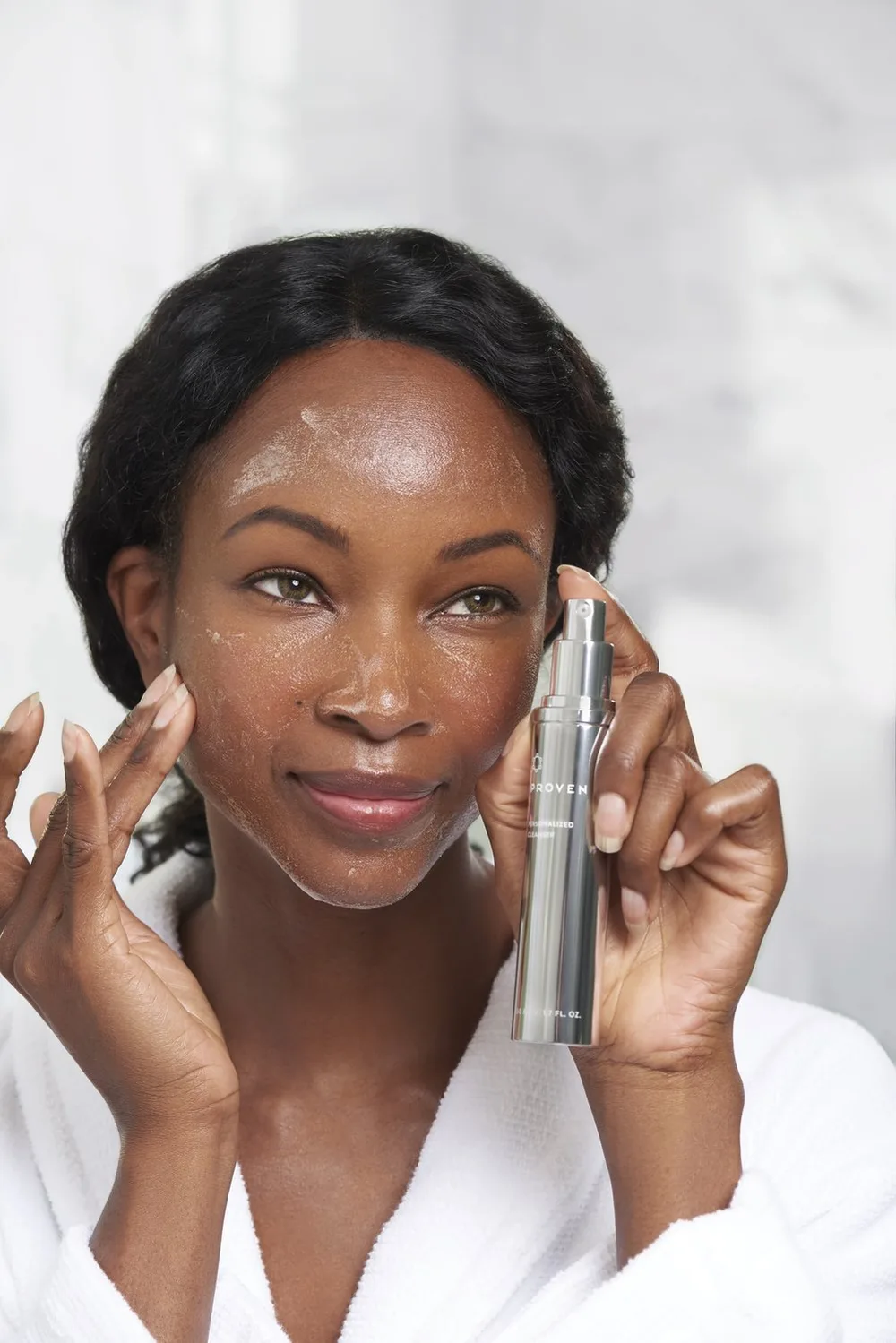
But why do some pimples seem to exist without us knowing and others provoke pain—even when we do our best to let them be?
The short answer is that usually bacteria are to blame. Understanding what precisely sets off painful breakouts and how to soothe skin is the first step in bringing balance back to your skin. After learning about the why, head to our guide on how to get rid of under the skin pimples so you can step outside feeling confident in your skin.
Myths abound about the causes of acne and the best ways to banish it (no thanks to viral internet-fueled skincare trends—side note: dermatologists deem the TikTok “potato hack” ineffective and inane) [1]. Because of this, some of us may have forgotten the basics behind acne.
Acne, or acne vulgaris, is officially recognized as a complication of the pilosebaceous unit, an internal system comprised of your [2]:
Blackheads, pustules, and more types of comedones result from your hair follicles getting clogged with all sorts of minute materials we encounter simply by being alive—dirt, oil, dead skin cells, and bacteria, among them.
Those “moods” of acne emerge in a variety of ways. Sometimes, several types of acne can surface all at once [3]. But broadly speaking, dermatologists classify acne in one of two ways.
#1 Inflammatory Acne
Inflammatory acne is the acne that most commonly makes us think twice about leaving the house. It’s often accompanied by redness and swelling and may appear as [4]:
Generally, inflammatory acne appears on your back, chest, shoulders, and face [5]. While it’s not contagious, whatever may be causing inflammatory acne (a topic we’ll look at below) can also yield breakouts in other parts of your body.
#2 Non-Inflammatory Acne
Non-inflammatory acne is the less nefarious of the two and is also the most likely to respond to over-the-counter acne treatments.
You may know them as blackheads—where the pore is blocked with dirt, acne-causing bacteria, or other gunk—but the top of the pore remains open. This is why blackheads are observed to be dark in color. Non-inflammatory acne may also present as whiteheads, which appear as raised white-colored bumps.
Painful acne usually falls into the category of inflammatory acne (most commonly, cysts and pustules). With inflammatory acne, the usual causes of acne vulgaris— dirt and oily skin—may be at play.
That said, bacteria can also contribute, if not trigger, painful pimples. Bacteria in the skin may instigate a synthesis of enzymes that break down skin cells and oils [6]. When this happens, your body triggers a flood of cells, like lipases and cytokines, to attack what it perceives as a foreign invader [7].
As a result, you may experience acne that is characterized by a slew of uncomfortable symptoms, among them:
At its worst, acne-causing bacteria can also incite an infection deep within your skin that may become painful. In case you do end up giving in to the temptation to pop and squeeze, here’s what to do after popping a pimple.
Inflammatory acne is primarily caused by those things that can get trapped in your pores—old dead skin cells, oil, dirt, and, of course, bacteria. However, it’s believed that certain lifestyle habits and conditions may also provoke inflammatory acne, including:
Acne that is achy, tender, or sore to the touch can be tremendously disruptive—even if you’ve committed to keeping your hands off the site of the offending painful pimple. Fortunately, there are a handful of key ingredients that may help to soothe inflammatory acne and promote healing.
Benzoyl Peroxide
Certain skincare products containing benzoyl peroxide can help assuage painful pimples in two ways [10]:
As a bonus, BP may be beneficial for treating acne scars. This ingredient is available in a wide range of product types—gels, cleansers, and spot treatments included.
One word of caution: benzoyl peroxide can be incredibly drying for some people. It may not be the best option for your skin if your skin veers on the dry, temperamental, or sensitive side.
Topical Retinoids
Derived from vitamin A and in the same family as age-defying retinol, topical retinoids have an anti-inflammatory effect that can quell pustules, nodules, and more and may help you score some pain relief [11].
Available in gels, ointments, and creams (among other products), they may be recommended in conjunction with antibiotics and benzoyl peroxide. Oral forms of retinoic acids, such as isotretinoin (once known as Accutane), require a prescription. While effective, topical retinoids and other acne treatments, can cause acne to worsen before it improves.
Oral or Topical Antibiotics
Your dermatologist may prescribe one, the other, or both to treat ouch-inducing inflammatory acne.
Antibiotics work by attacking the bacteria that may be at the root of painful acne and decreasing inflammation. Two of the most frequently prescribed oral antibiotics are:
Hormonal Therapy
If topical treatments fail to make a dent in your inflammatory acne, your dermatologist may prescribe a form of hormonal therapy. They may suggest an oral contraceptive (i.e., hormonal birth control) or an anti-androgen drug like spironolactone.
Surgery
A last-resort solution for painful, persistent inflammatory acne is surgery. It may be recommended by your dermatologist in extremely severe cases or combined with another acne treatment protocol [12].
In other cases, surgery may be recommended to treat acne scars. This usually occurs if your dermatologist suspects “stuff” has gotten caught inside your pores and can only be urged out with special tools and extraction methods. Cortisone injections are also used to reduce inflammation.
What About Salicylic Acid?
Salicylic acid, or SA, is a terrific treatment for non-inflammatory acne—those stubborn but more innocuous whiteheads and blackheads. While it aids in cleaning and clearing out pores, its primary job is removing dead skin cells, which is why it isn’t usually recommended for dealing with bacteria.
Whether it’s non-inflammatory or inflammatory, acne can be a pain—physically and literally. Fortunately, a variety of OTC and more intensive treatments are available to help pave the way toward skin that feels as healthy as it appears.
When you tend to your skin with a personalized PROVEN Skincare 3-step system, you nurture its well-being from the inside out. Our skincare quiz addresses everything we need to know about your complexion to curate a three-step regimen—whether it’s a night cream or a facial cleanser, each formula contains clean, clinically effective ingredients fine-tuned to you.
Get started today to nip acne in the bud and start making your way towards clearer, cared-for skin.
Built from 47 factors of your skin profile — a cleanser, day moisturizer, and night cream calibrated to you from the 3-step Skin Genome Quiz.
A gentle wash with exfoliating and toning properties — calibrated to your skin.
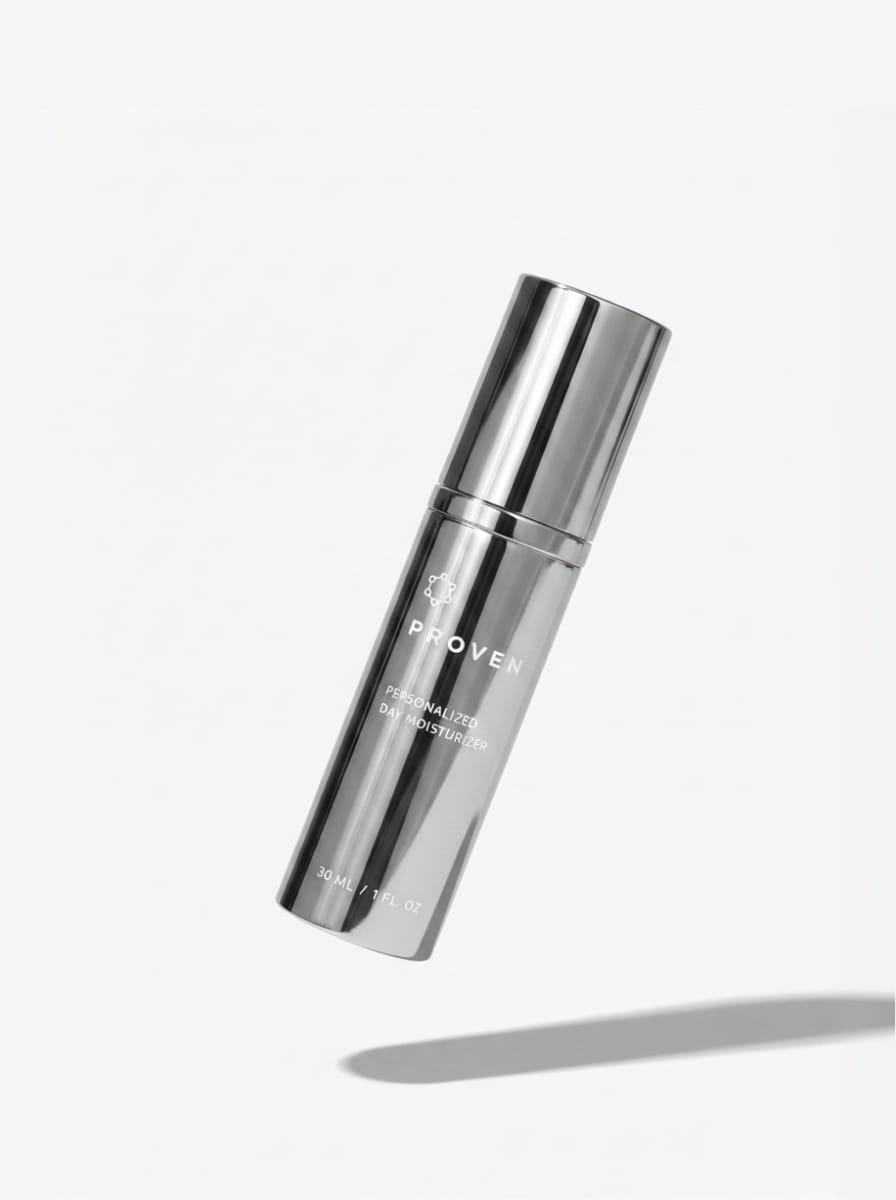
Lightweight daytime hydration — formulated for your skin.
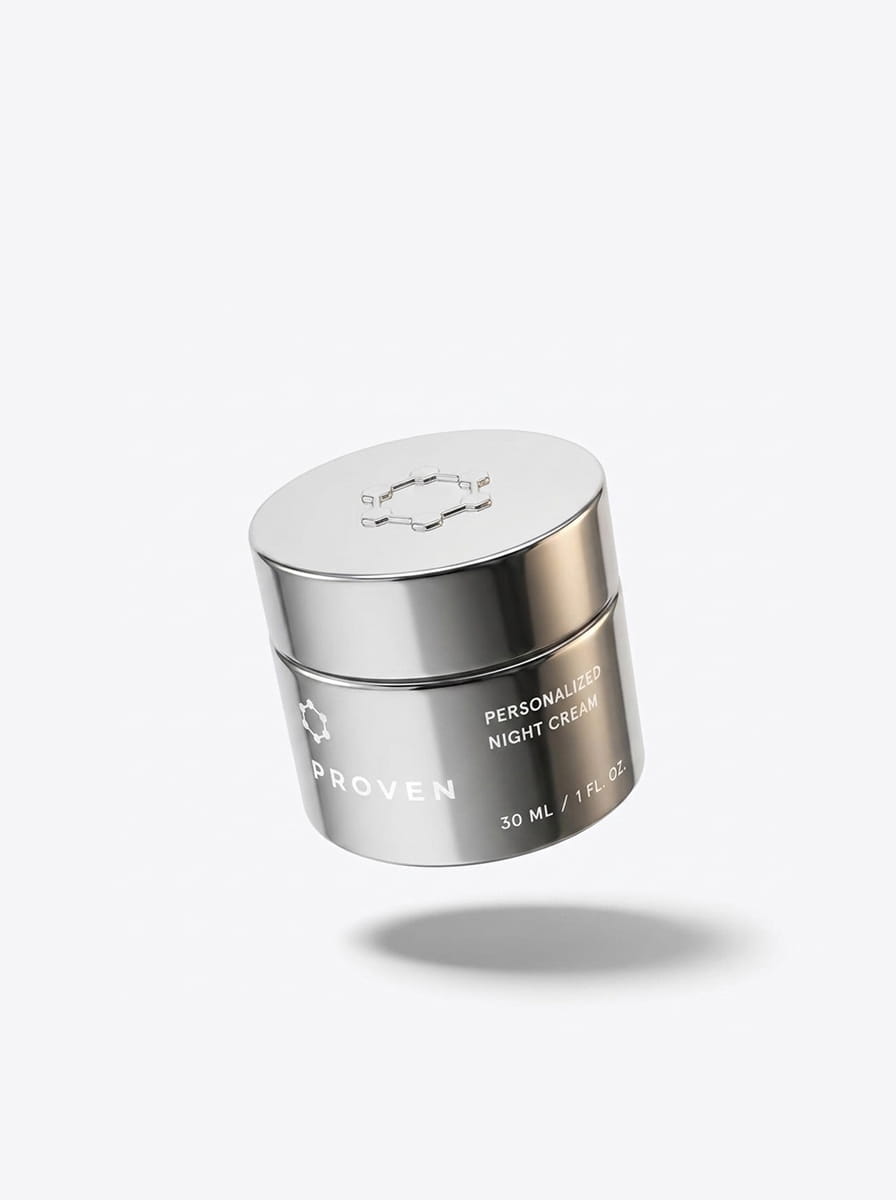
Overnight repair with the active ingredients your skin needs most.