

BLOG

Scientific Benefits of Self Care

Dr. Amy Yuan
Fact-checked by Marisa Garshick MD, Board Certified Dermatologist

Conversations about “self-care” or “me time” often involve sentiments like “Treat yourself!”, “You deserve it”, or “pampering.
Scientific Benefits of Self Care — PROVEN personalized skincare
  • 4.7 ★
    50,000+ reviews
  • Clinically proven
    28-day independent study
  • MIT AI Idol
    Technology of the year
  • 2 U.S. patents
    Personalization first

So what IS self-care?

Put simply, self-care is taking care of yourself in whatever way makes you feel better mentally and physically. Self-care allows you to maintain balance in every area of your life, so you can function at your very best, and feel happy.

Why is it important?

To quote Monique Tello, M.D., physician and instructor at Harvard Medical School, “My favorite analogy for self-care is clichéd, but accurate. When you get on an airplane and the flight attendant gives that safety spiel, the first thing they tell you is: ‘If you’re traveling with children or others who need assistance, put your oxygen mask on first.’” You need to take care of your own needs before you can take care of anybody else’s. To take that analogy further: if you pass out from a lack of oxygen, you certainly won’t be able to help anyone else around you. And this is true in everyday situations, too: burned out doctors don’t provide good care to their patients; depressed parents aren’t parenting their children as well as they could if they felt better, and so on.

But I don’t have time for self-care.

Actually, you do. Self-care does not have to mean going to a spa to get a manicure (although if doing that makes you feel more happy and relaxed, we strongly encourage you to do it). Below are some simple tips everyone can try to incorporate into their everyday lives, starting right now.

Top 7 Easy Tips for Self-Care:**

  • Get enough sleep. Blame it on our “busy is best” culture, but sleep still seems to be one of the most underrated aspects of health. For many people, getting enough sleep (for adults, about 8 hours nightly) is by far the simplest schedule change to make: just go to bed earlier. The pay off is huge: better skin, lower weight, improved mood, memory and athletic performance… the health benefits of getting enough shut-eye are nearly endless.
  • Be physically active. Remember: all activity counts. It doesn’t have to be a dedicated hour at the gym or workout class (though either of those is obviously excellent). As Tello writes, “Think of what fits into your life. Maybe make your next meeting a walking one, or take a walk at lunchtime. Try a few minutes on the exercise bike in the kitchen, or dancing around your living room in your socks. On very busy days, I make sure I take the stairs whenever I have the option. I park farther away than I need to and walk a little more.” According to the U.S. National Institute of Health: aerobic exercises, including jogging, swimming, cycling, walking, gardening, and dancing, have been proven to reduce anxiety and depression. The bottom line: move more.
  • Calm your mind. Meditation or yoga can boost your mood and promote mental clarity, but they aren’t the only ways. Anything quiet and peaceful that lets you take deep breaths and be calmly focused, here and now, counts. Some examples? Drawing, painting, knitting, baking, or doing a Sudoku or crossword puzzle. Try swimming or walking to kill two birds with one stone (a physical activity that’s also mind-calming).
  • Eat well. As Michael Pollan famously summarized in his book The Omnivore’s Dilemma: “Eat food, not too much, mostly plants.” There’s tons of scientific evidence backing up this extremely good advice for your overall health. Stay away from refined carbs, and severely limit red meat or saturated fat consumption. And remember: the more plant-based your diet is, the better. It’s an easy rule of thumb to keep in mind.
  • Get outside. If you work in an office, take a break once mid-morning, go out again to get lunch, and take another 10-15 minute breather in the afternoon. Walking in the fresh air and sunshine are good for your body and your mental outlook. And if you work near a park, forest, or any natural setting, go there: just 20 minutes in a park or green space has been shown to reduce stress and boost feelings of well-being.
  • Get a massage. You might have to work a little to fit this one into your schedule, but the benefits are definitely worth it. Massages have been shown to lower stress and anxiety, treat chronic pain, enhance exercise performance, improve sleep, ease depression, lower blood pressure, relieve tension headaches, and decrease migraine frequency—and that isn’t even a complete list of benefits.
  • Do what you love. When you are wholly engaged in an activity you enjoy, your brain releases endorphins — the feel-good chemical associated with happiness. (Exercise can also stimulate an endorphin surge). Whether it’s bird-watching, tap dancing, or photography, take up that hobby you used to enjoy so much, or discover a new passion. Your mind and body will thank you.

Get your formula

The PROVEN system

Your personalized 3-step system

Built from 47 factors of your skin profile — a cleanser, day moisturizer, and night cream calibrated to you from the 3-step Skin Genome Quiz.

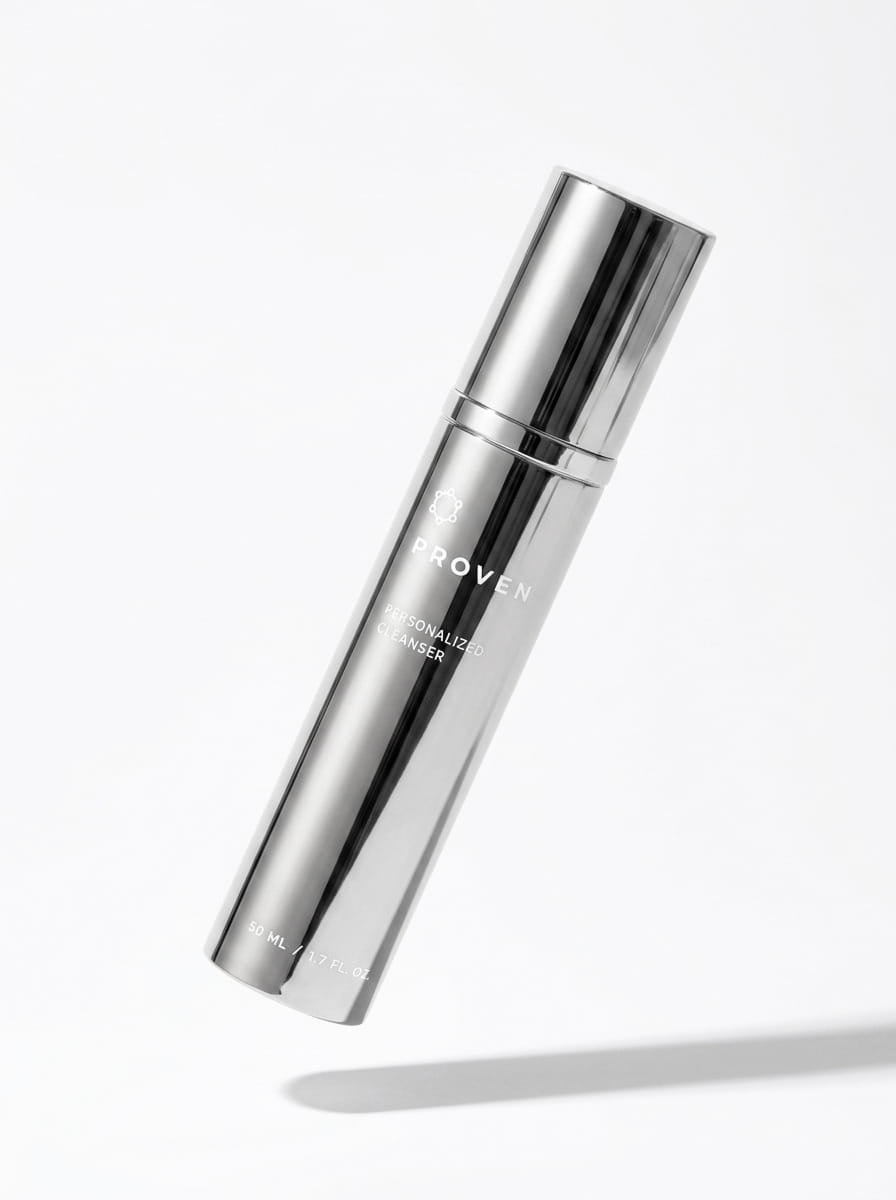
PROVEN personalized cleanser

Personalized Cleanser

A gentle wash with exfoliating and toning properties — calibrated to your skin.
PROVEN personalized day moisturizer

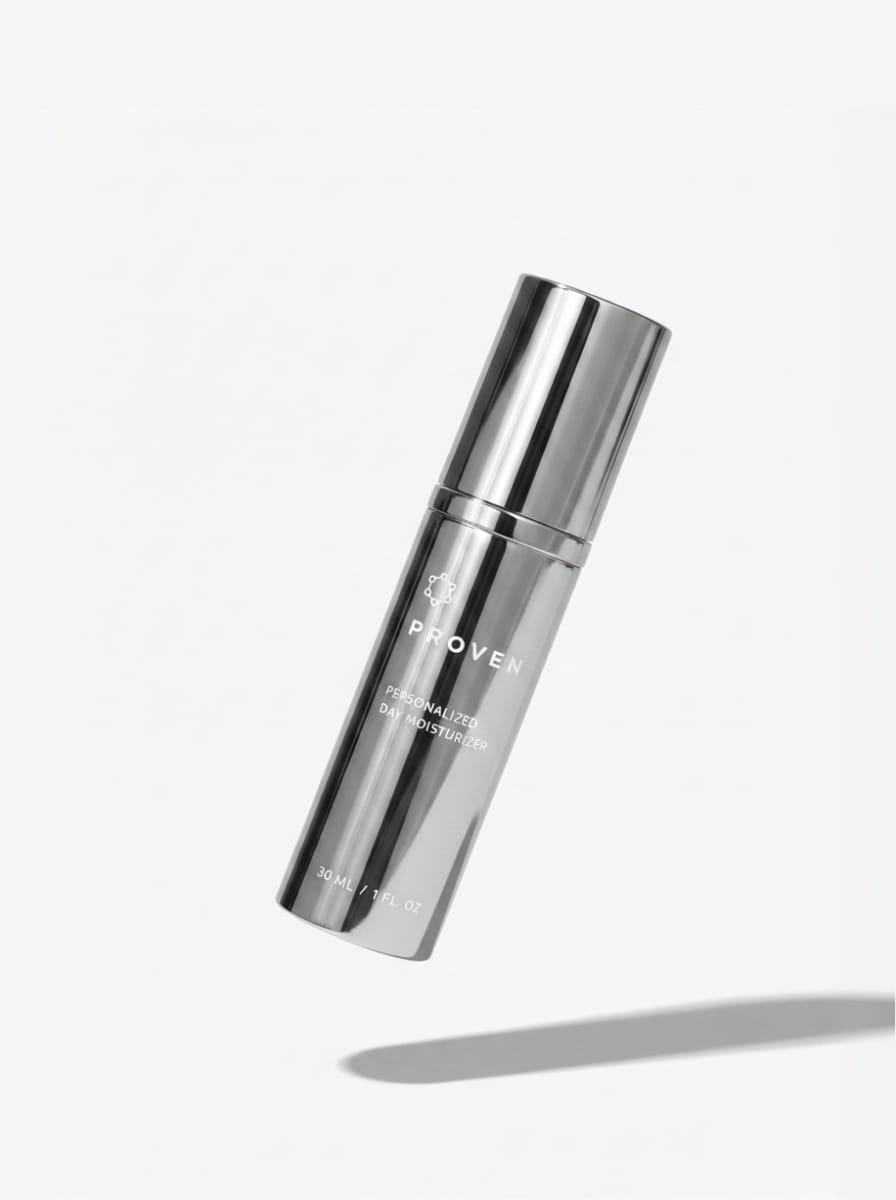
Personalized Day Moisturizer

Lightweight daytime hydration — formulated for your skin.
PROVEN personalized night cream

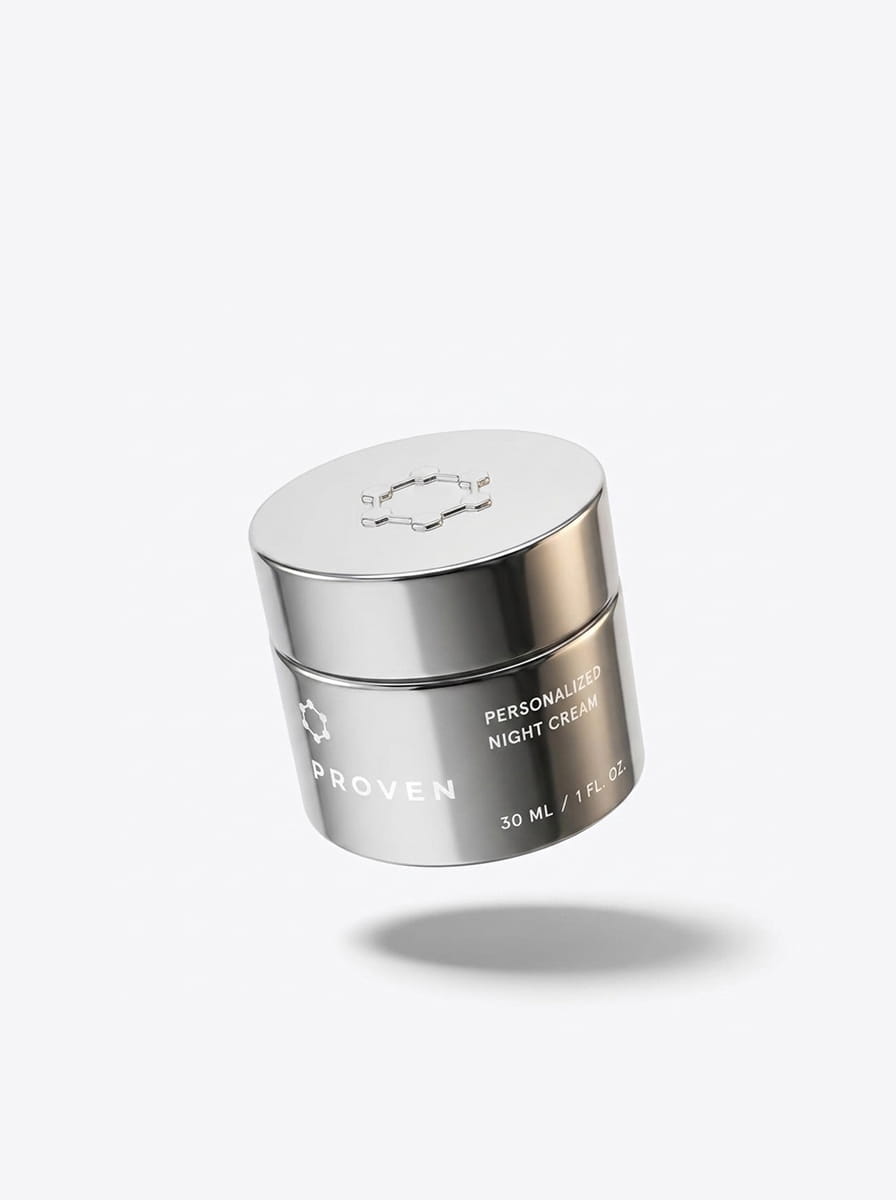
Personalized Night Cream

Overnight repair with the active ingredients your skin needs most.

Ready to build your personalized routine?

Get your formula
Sources
  1. Oyetakin‐White, P., Suggs, A., Koo, B., Matsui, M. S., Yarosh, D., Cooper, K. D., & Baron, E. D. (2015). Does poor sleep quality affect skin ageing?. _Clinical and experimental dermatology_, _40_(1), 17-22
  2. Shenefelt, P. D. (2008). Relaxation, meditation, and hypnosis for skin disorders and procedures. _Mind-Body and Relaxation Research Focus. Hauppauge, NY: Nova Science Publishers_, 45-63
  3. Strumia, R. (2013). Eating disorders and the skin. _Clinics in dermatology_, _31_(1), 80-85
  4. Spending just 20 minutes in a Park makes you happier. Here's what else being outside can do for your health. (2019, February 28)
  5. Grinspoon, P. (2018, June 22). Physician burnout can affect your health
  6. Parental depression: How it affects a child. (2019, September 29)
  7. Sharma, A., Madaan, V., & Petty, F. D. (2006). Exercise for mental health. Primary care companion to the Journal of clinical psychiatry, 8(2), 106