

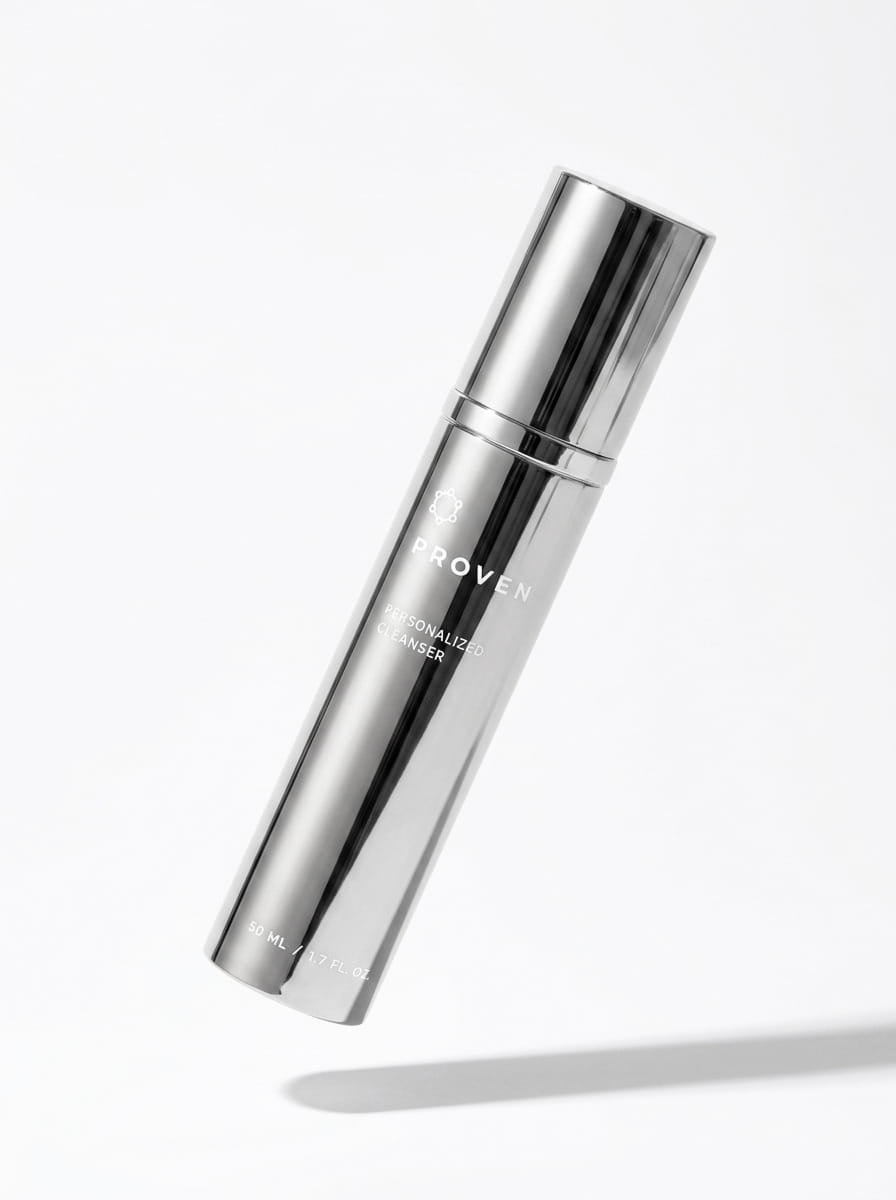
Personalized Cleanser
A gentle wash with exfoliating and toning properties — calibrated to your skin.
Take a quiz. We analyze your factors and build a formula made for you alone.
They say the eyes are the windows to the soul—so, if your eyes scream tired, depleted, and shriveled, what message are you sending? Most of us would agree that our eye areas could use some TLC.

New York-based dermatologist Dr. Fayne L. Frey, MD is not the first to declare that “eye cream is a waste of money.” But it seems that for every skin expert who dismisses eye creams, there is another one proclaiming you can’t live without it. So, which one is it? Well, that depends on your skin. As long as your normal face cream doesn’t irritate your eyes and provides enough moisture, then carry on. Generally, a fragrance-free, gentle moisturizer will work just as well around the eyes as it does on the rest of the face. But it’s worth noting that there are certain ingredients that specifically address the common concerns surrounding the under-eye region.
Not only is the under-eye area especially susceptible to visible signs of aging, but it also tends to be more sensitive than the rest of the face, requiring a balance of gentle and powerful. Here are some of the best night face cream ingredients to look for, based on your primary eye concerns:
If eliminating dark circles and enlivening the space around the eyes top your list of goals, look no further than a color-correcting product that contains some of the following ingredients:
We express a lot of emotion with our eyes, which means that we’re constantly contracting those muscles, whether we’re smiling, laughing, crying, or otherwise. As we age, our skin loses its ability to bounce back, leaving crow’s feet and other fine lines behind long after the expressions have melted away. Luckily, there are plenty of science-backed ingredients that can rejuvenate and smooth without disturbing the delicate skin. Here are just a handful:
Antioxidant ingredients can also serve as age-defying ingredients, protecting against UV rays, pollution, and smoke, among other environmental stressors. These include:
There’s a reason why the space around the eyes can take on a dry, crepey texture: it doesn’t have any oil glands. So, it’s no wonder that a little hydration can go such a long way. Here are some of our favorite thirst-quenching ingredients:
The dreaded eye bags. It should go without saying that your first line of defense is getting enough sleep and drinking plenty of water. But when all else fails, these skincare ingredients have you covered when it comes to reducing inflammation around the eyes:
It’s not only about what you put on your eye area that matters. Aside from the obvious (don’t smoke, eat well, drink water, and get plenty of rest), there are a number of extra measures you can take to keep your eye region in tip top shape:
Be Gentle
The skin around the eyes tends to be sensitive and wrinkle-prone. If you’ve got a habit of rubbing your eyes, it’s time to break it! If the root problem is that your eyes are itchy, you may want to visit your doctor and look into allergy medicine that will quell the discomfort. But equally as detrimental as rubbing is tugging the skin when applying products. Whether you’re removing your makeup before bed (please do!) or slathering on some night cream, tread lightly. Too much pressure on the skin can contribute to fine lines—so always dab, don’t drag.
Always, Always, Always SPF
If you’re using a separate eye cream, does it contain SPF? It should. Otherwise, make sure you’re sweeping your SPF day cream up around the eyes, and always wear sunglasses when you’re outside. Sun damage accounts for 80% of skin aging, and the thin, delicate skin around the eyes is particularly vulnerable.
Give Yourself a Facial Massage
A lot of our under-eye woes can be chalked up to fluid retention. We retain fluid when we don’t sleep enough, when we’re stressed out, and when we’re dehydrated, just to name a few reasons. This produces puffiness in the face, and the under-eye is an easy target. Moving that fluid out and sculpting the face with facial massage techniques is one of the oldest tricks in the book for a reason. It works! You can simply use your clean hands, or invest in a jade roller, which usually features a specially-sized roller on one end, perfect for the small space around the eyes. It can even be kept in the refrigerator for some extra zing.
Night time is the right time, as they say—at least when it comes to taking care of the skin around your eyes. As a minimum, aim to sleep seven or more hours a night, and make sure you’re staying hydrated. Whether you choose to snag a dedicated eye cream or you find a gentle, all-purpose night face cream that can tackle your under-eye concerns, the important thing is that you’re not letting this fragile, wrinkle-prone region go neglected.
Built from 47 factors of your skin profile — a cleanser, day moisturizer, and night cream calibrated to you from the 3-step Skin Genome Quiz.
A gentle wash with exfoliating and toning properties — calibrated to your skin.
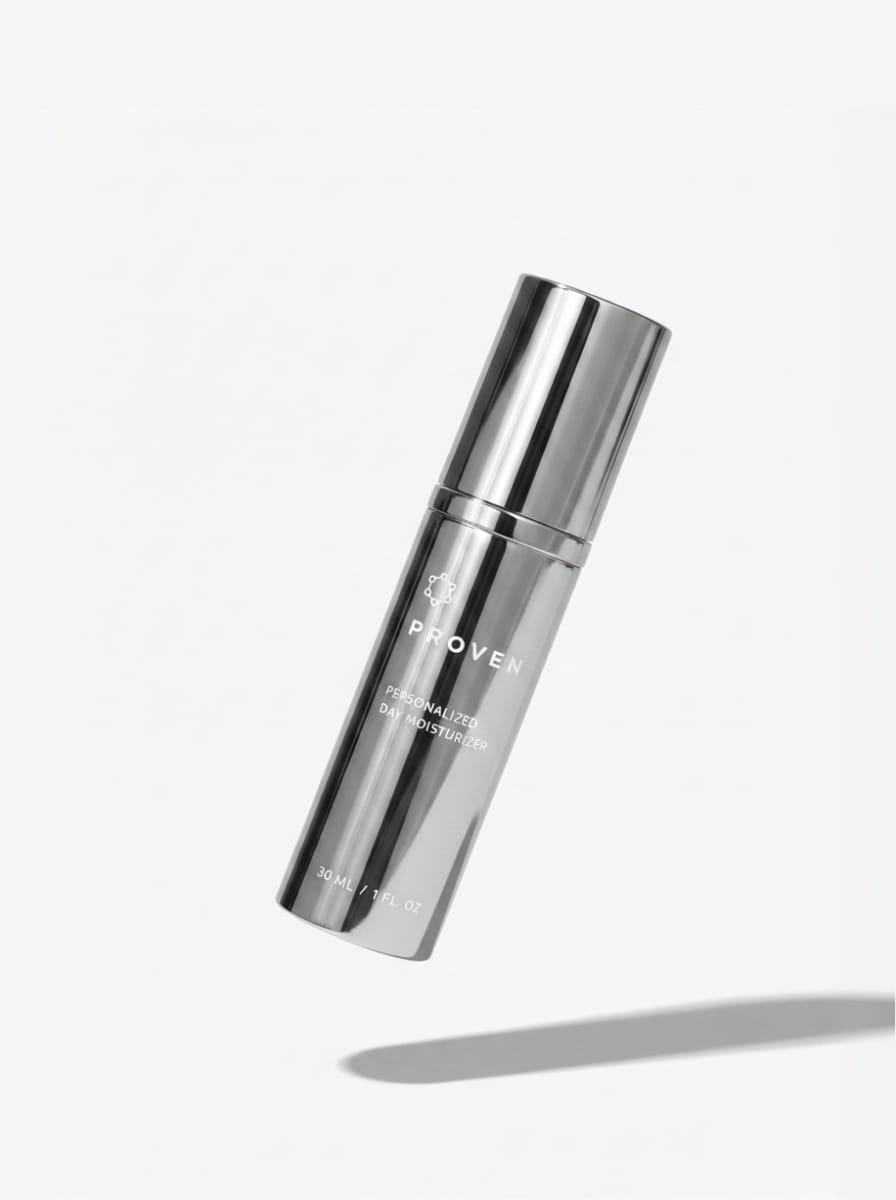
Lightweight daytime hydration — formulated for your skin.
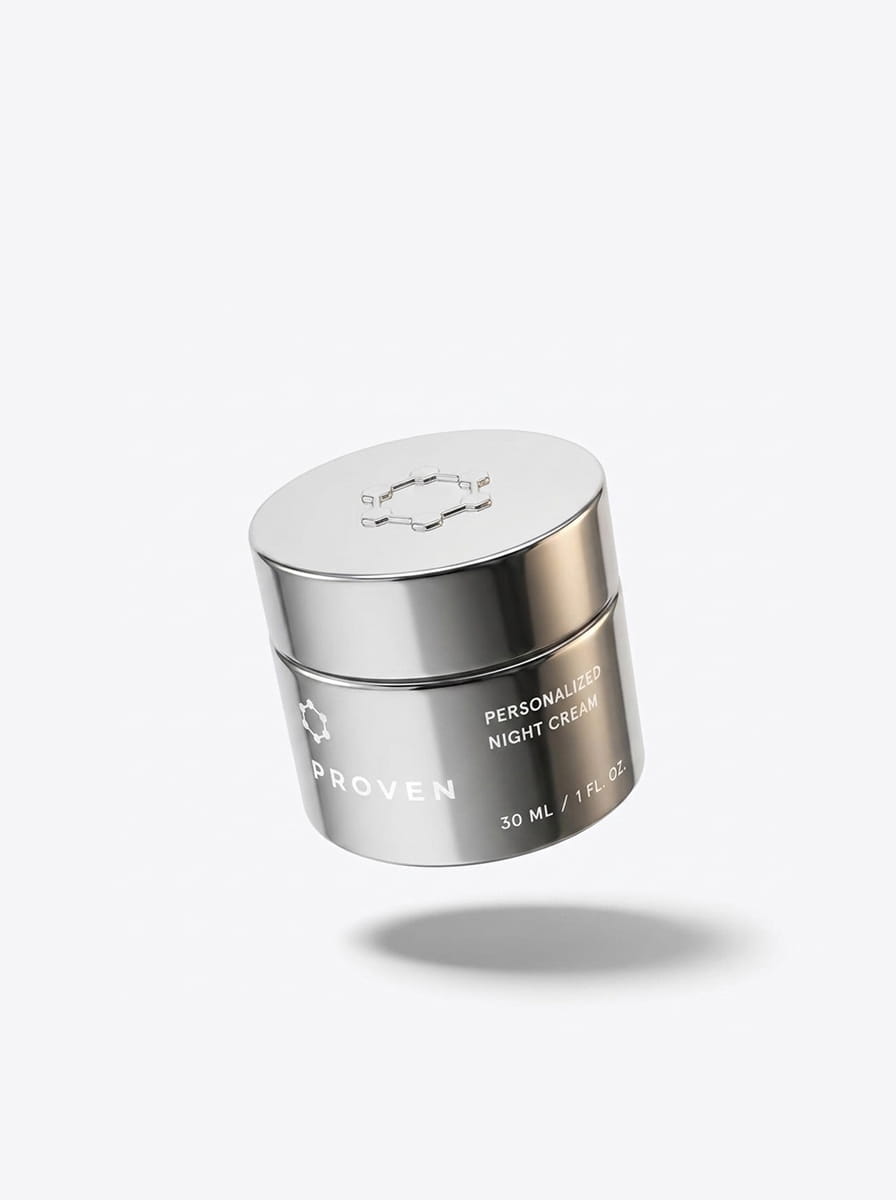
Overnight repair with the active ingredients your skin needs most.